
The orange cord that reaches the driveway may be the wrong cord for the job. During an outage, reach becomes an attractive shortcut: if a plug fits and the appliance starts, the arrangement seems finished. During cleanup, the same cable may then be dragged through slush, trapped beneath a door, or handed to someone using a different tool. Each change deserves a new decision.
Think of temporary power as a complete path: source, cord, connection, equipment, and the ground people cross. A suitable cable cannot compensate for an unsafe outlet, an overloaded generator, or a puddle around the plug. Evaluate the path before turning anything on.
Start with the equipment, not the cord pile
Read the appliance or tool instructions first. Some products prohibit extension cords; others specify a wire size and maximum length. Keep those instructions ahead of a general cord chart. If you cannot establish that a proposed connection is allowed, choose another way to meet the need rather than guessing from the cable's thickness.
Separate small charging needs from motor-driven tools and appliances. A phone charger does not establish what a pump or refrigerator requires. Motors can demand more power when starting than while running, so a running-watt figure alone may not establish compatibility. Check both the equipment requirements and the generator or battery power station's limits.
For a list of competing household loads, what not to plug into a generator during an outage is relevant to the decision about what stays off. More outlet holes do not create more available power. If several people are sharing one source, agree on what may be connected before someone adds a cleanup tool.
Read the markings that actually matter
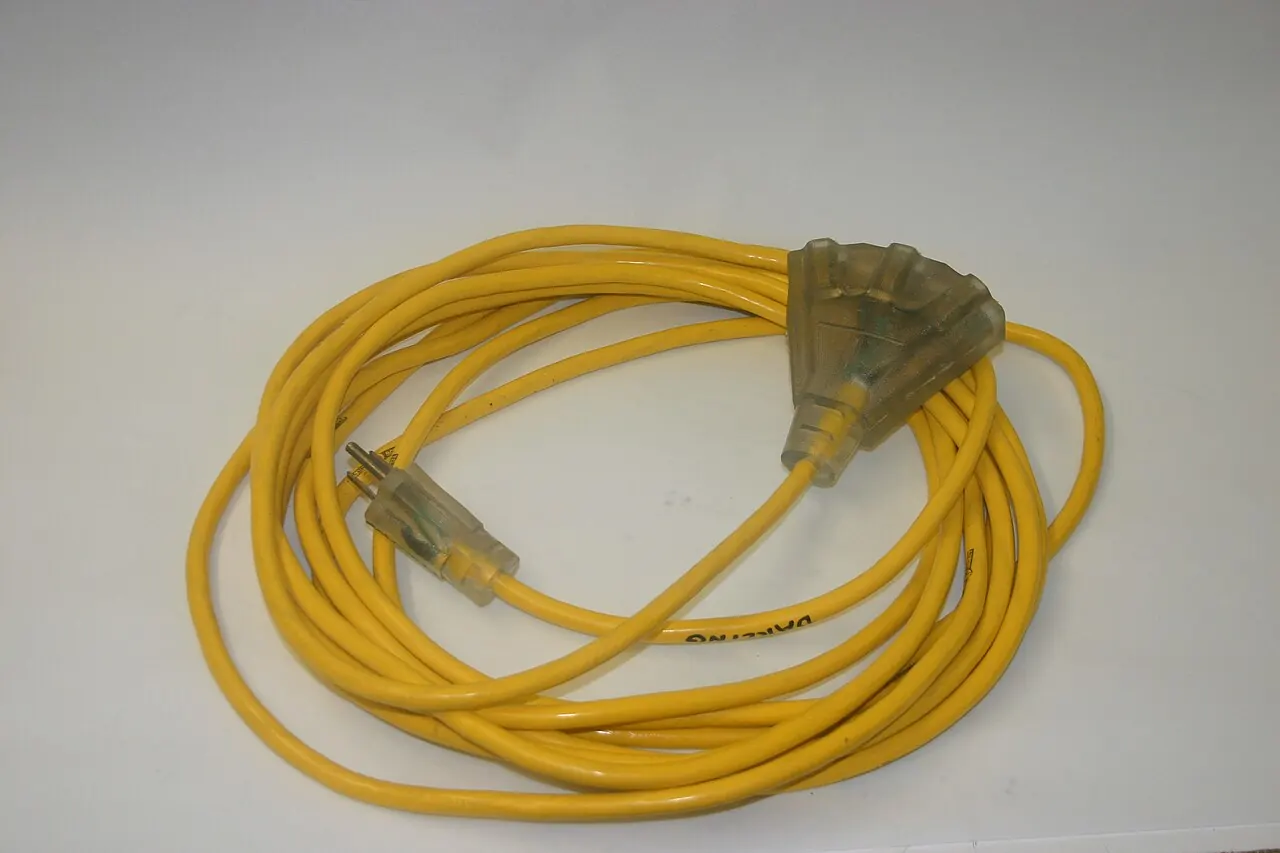
Look for the cord's electrical rating, wire size, length, indoor or outdoor designation, and a listing mark from a recognized testing laboratory. Color and marketing terms such as heavy duty are not substitutes for those markings. If the label is unreadable and you cannot verify the specifications, set that cord aside for this task.
The CPSC's household extension cord guidance calls for matching capacity to the connected products and using only outdoor-marked cords outdoors. Its minimum construction advice is not a recommendation that one particular gauge will run every appliance. The load and permitted run length still matter.
AWG numbers describe conductor size; a lower number indicates a larger conductor. That helps you read a manual, but it is not enough to choose a cable by itself. For the same equipment, a longer run may require a larger conductor. Use the equipment manufacturer's table and the actual cord rating rather than a universal online answer such as always use twelve gauge.
| What you find | What it means for this job |
|---|---|
| Indoor-only cord on an outdoor route | Choose an outdoor-rated cord; dry weather does not change its designation. |
| Missing grounding pin | Remove the damaged cord from service; do not defeat the equipment's grounding. |
| Unknown rating or insufficient length | Get one suitable cord rather than combining unidentified cables. |
| Manufacturer prohibits an extension cord | Use an allowed power arrangement or leave that product disconnected. |
For a simple arithmetic example, two hypothetical devices drawing 300 and 200 watts place a combined running load of 500 watts on their shared supply path. That does not approve the setup: starting demand, outlet limits, cord length, and product instructions remain unresolved. Arithmetic can expose an overload, but it cannot certify an arrangement.
Unplug first, then inspect the entire length
Spread the disconnected cord where you can see it. Examine both ends and every section of jacket, including places usually hidden inside a coil. Reject cuts, exposed conductors, crushed areas, cracked insulation, scorch marks, loose parts, or missing prongs. Check that the connector grips the intended plug securely without wobbling.
Do not use electrical tape to make damaged insulation acceptable, and do not trim a blade or remove a grounding pin to make a plug fit. CPSC identifies these alterations and inadequate repairs as hazards. Put a rejected cord somewhere clearly separate from usable equipment so another household member does not retrieve it during a hurried setup.
Inspection is especially important after the cable has been under a fallen branch or a vehicle tire. A clean-looking exterior does not make a known crush event irrelevant. When damage is suspected, replace the cord rather than energizing it to see whether it still works.
Draw a route before laying cable
Keep power away from water and moving cleanup work
Walk the proposed route without the cord. Look for roof drips, downspout discharge, snowmelt, low spots, sharp debris, and places where people will move carts or tools. Outdoor-rated does not mean a connection can sit in water. If the route cannot keep electrical connections dry and protected according to their instructions, stop and change the plan.
Use ground-fault circuit interrupter protection for outdoor tools and cleanup equipment as directed by the manufacturer and applicable requirements. Texas Department of Insurance's extension cord fact sheet recommends GFCI-protected outdoor use. GFCI protection reduces shock risk; it does not authorize working in standing water or using wet, damaged equipment.
Suppose you want to run a wet/dry vacuum in a basement that took on water. The vacuum's name is not permission to enter a potentially energized flooded space. Keep out until the electrical hazard has been assessed by the appropriate utility or qualified professional. A longer cord from an upstairs outlet is not a workaround for that assessment.
Leave walking paths and closures functional
CPSC advises against running cords under carpeting, through doorways, or under furniture. Do not hide a cable beneath a rug to solve a trip hazard, or close a window on it to keep cold air out. Pressure and abrasion can damage the cable where you can no longer see the problem.
Choose a route away from circulation rather than crossing the main hallway. Where a permitted temporary route needs protection, use a purpose-made cord protector suitable for the location and load, without covering damage or obstructing exits. Reducing trip hazards before an emergency matters particularly when the household is navigating by flashlights or includes someone using a walker.
If you cannot route an outdoor generator connection into the needed location without a pinched cable or unsafe opening, do not improvise a pass-through. A qualified electrician can advise on listed connection arrangements and permanent transfer equipment. During the current outage, a different safe powered destination may be the available solution.
Keep portable generator power separate from house wiring
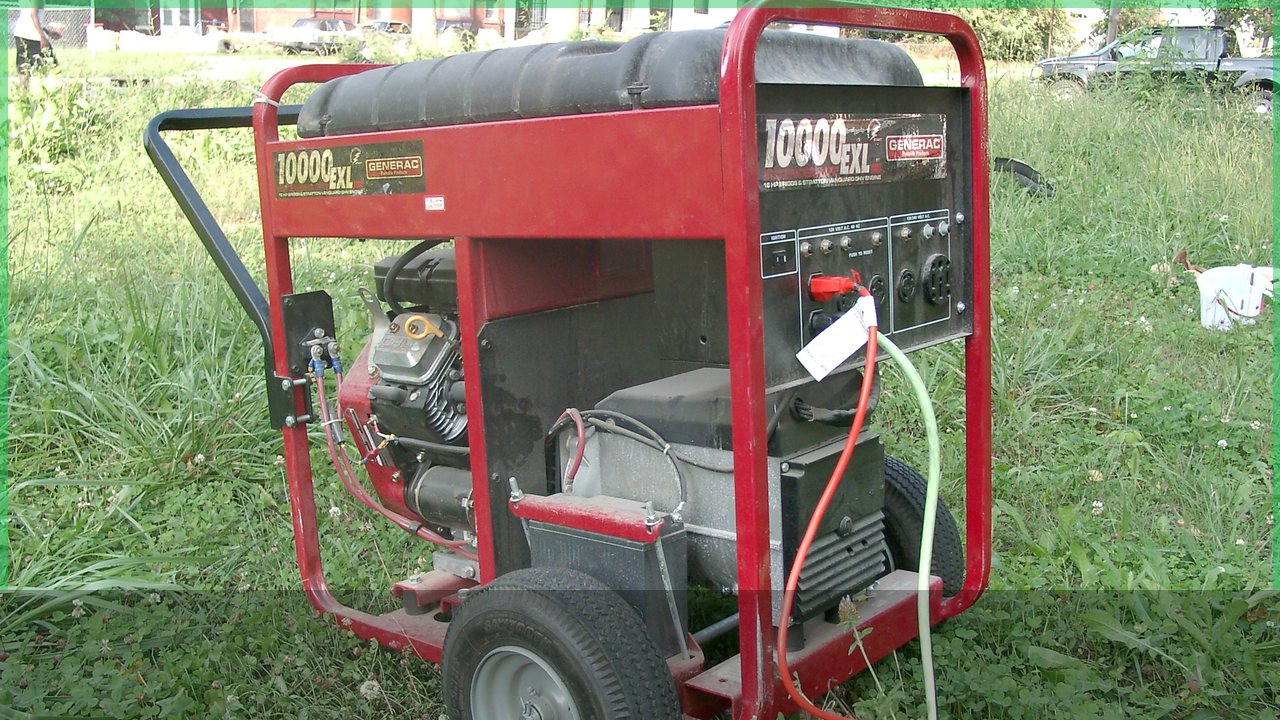
CPSC's 2026 generator warning says to operate portable generators outdoors, at least 20 feet from homes and buildings, with exhaust directed away from windows, doors, and vents. Never shorten that separation just because the available extension cord is too short. A garage, even with its door open, is not an outdoor operating location.
Use only connections permitted by the generator and appliance instructions, with suitable outdoor-rated cords. Keep the generator dry using the manufacturer's approved approach without enclosing it. A cord running toward a house does not make an improvised rain shelter, porch, or shed suitable for operating the engine.
Never plug generator output into a household wall outlet. Never use a cord with male plugs at both ends. CPSC warns that these cords can leave exposed live prongs and create dangerous backfeeding. Turning off a breaker does not turn that improvised method into a safe connection. House wiring requires approved transfer equipment installed by a qualified electrician.
Treat changes in operation as a stop signal
If a plug or cord becomes hot, a connector discolors, you smell burning, or equipment operates abnormally, stop using the arrangement. Disconnect power only if that can be done safely from a dry, accessible location. Do not touch a sparking, melting, or wet connection. For smoke or fire, get clear and call emergency services.
A tripped breaker or GFCI is also information, not an obstacle to bypass. Do not repeatedly reset it and continue the same task. Have the cause assessed, especially after water exposure or recurring trips. The absence of a trip does not prove that a cord is correctly sized or free of damage.
Do not solve a cold room by adding a portable electric heater to a temporary extension cord setup. Space heaters should plug directly into a suitable wall outlet as their instructions require, not an extension cord or power strip. If you cannot provide safe heat, arrange another warm location rather than increasing the electrical load until something trips.
Close the temporary job when the task ends
Unplug an unused extension cord, grasping the plug rather than pulling the cable. After disconnection, check for damage from the work, allow the exterior to dry, and store it without tight kinks. Keep it away from sharp cleanup tools and fuel containers. A cord left energized across the yard is still an electrical installation even when nobody is using the tool.
Label the usable cord with its verified purpose and keep its specifications accessible. If cleanup shifts tomorrow from charging batteries to running a different tool, start again with that tool's instructions. The last task's success is not approval for the next load.
Photo: Taylor Cedarmas, CC BY-SA 3.0. Cropped and resized for this article. Image adaptations are available under the same license.