I think a lot of people hear the phrase self-reliant home and imagine a cabin deep in the woods with solar panels, chickens, and a giant garden. That can be part of it, but that is not the only version. To me, a self-reliant home is simply a home that can do more for the people living in it. It wastes less, saves more, grows some food, stores useful supplies, and helps a family handle small problems without falling apart. A home does not need to be fully off-grid to be more independent. It just needs smart systems and good habits. Current guidance from the U.S. Department of Energy, EPA, CDC, and USDA all point toward the same idea: small practical upgrades can make homes more efficient, more prepared, and easier to manage.
I like DIY projects that solve real problems. A good project should help lower bills, reduce waste, make daily life easier, or prepare your household for an emergency. That is why the projects in this article are not about showing off. They are about making your home stronger and smarter. Some are cheap. Some take more effort. But all of them move a home a step closer to self-reliance.
1. Seal Air Leaks So Your Home Holds Its Own Temperature
One of the simplest DIY projects I would start with is sealing air leaks. This may not sound exciting, but it is one of the most useful things a homeowner or renter can do. The Department of Energy says reducing the amount of air leaking in and out of a home is a cost-effective way to cut heating and cooling costs, improve comfort, and support a healthier indoor environment. It also says caulking and weatherstripping are simple techniques that can pay back quickly.
I think this project matters because a self-reliant home should not depend on wasting extra energy just to stay comfortable. If warm air keeps escaping in winter or cool air leaks out in summer, the house has to work harder. That means higher bills and less comfort. DOE recommends checking around doors, windows, and other openings, and notes that if you can see daylight around a frame, you probably have a leak. Stationary gaps can often be sealed with caulk, while movable parts like doors and operable windows usually need weatherstripping.
This project teaches a useful lesson: self-reliance is not only about adding new things. Sometimes it is about fixing weak spots. A drafty home is like a leaky bucket. Before adding fancy systems, it makes sense to stop losing what you already have. That is why I see air sealing as a “first-step” project. It helps almost everything else work better.
2. Build a Rain Barrel System for Outdoor Water Use
Another DIY project that can make a home more self-reliant is a rain barrel setup. A rain barrel collects water from a roof through a downspout and stores it for later outdoor use. I like this project because it turns rainfall into something useful. Even a basic setup can help water a garden, rinse muddy tools, or reduce how much tap water gets used outside.
This project works especially well with gardening. A home that grows food will need water, and having even a backup source for outdoor use can help. I would still tell people to check local rules before setting one up, because rainwater regulations can vary by place. But as a practical home project, it makes a lot of sense. It is simple, visible, and connected to a larger idea: don’t let useful resources go to waste.
I also think rain barrels help people notice how their home works as a system. The roof sheds water. The gutter directs it. The barrel stores it. The garden uses it. That kind of connected thinking is a big part of self-reliance. Even if the barrel only saves a modest amount of water, it builds the habit of planning ahead and using what is available.
3. Start Composting to Turn Scraps Into Soil
Composting is one of my favorite self-reliance projects because it takes something people usually throw away and turns it into something valuable. The EPA says compost can help build healthier soil, conserve water, reduce erosion, and improve plant growth. It also notes that composting at home can save money by creating a free soil amendment and reducing the need for some fertilizers and pesticides.
That is a great example of a self-reliant system. Kitchen scraps and yard trimmings stop being “trash” and start becoming part of a cycle. Instead of paying to remove organic material and then paying again to buy soil improvements, a household can create part of what it needs at home. EPA also explains that home composting systems usually handle food scraps, except for items like meat, bones, and dairy, along with yard trimmings.
I think beginners sometimes imagine composting as a gross, giant pile, but it does not have to be. It can be a simple bin in the backyard or even a more controlled system. The bigger idea is what matters: a self-reliant home wastes less and gets more use out of everyday materials. Composting does exactly that. It also pairs perfectly with a food garden, which makes the whole home feel more connected and productive.
4. Grow Food in Containers or Raised Beds
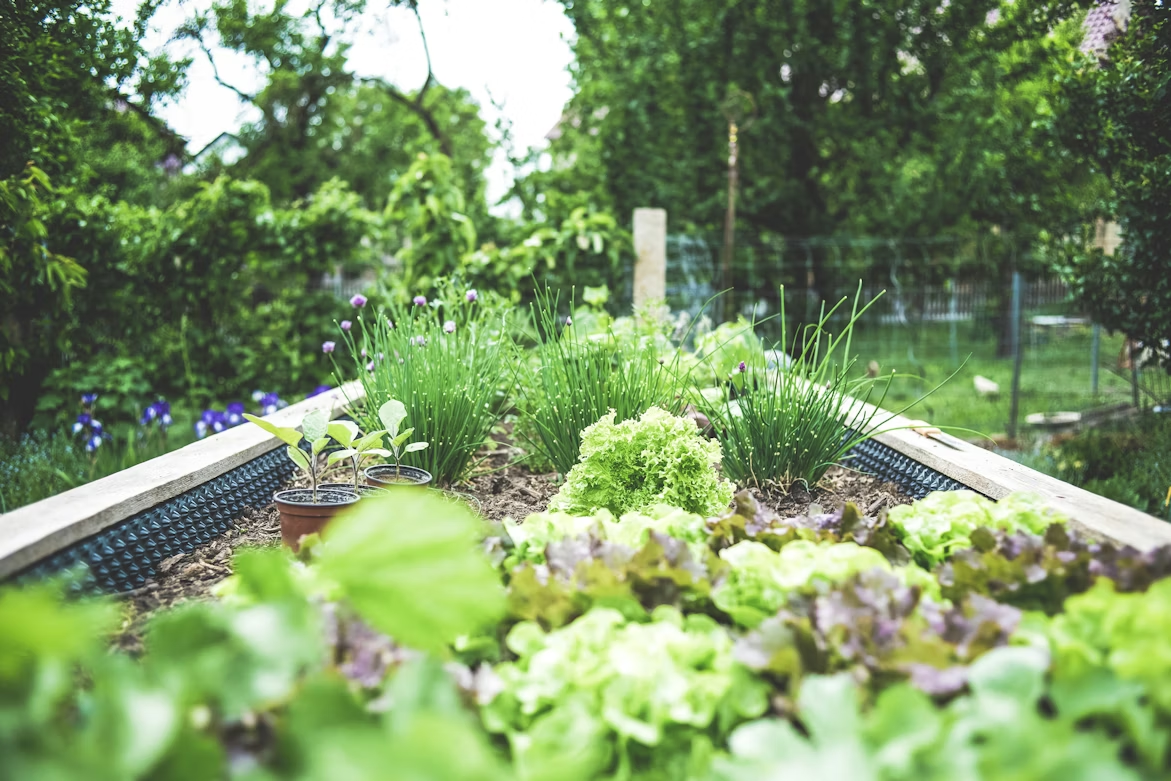
When people think about self-reliance, food is usually one of the first things that comes to mind. I do not think every family needs a huge backyard farm, but I do think growing at least some food is a smart goal. USDA guidance on container gardening says many crops can grow well in small spaces, including lettuces, spinach, herbs, tomatoes, peppers, beans, radishes, and carrots. It also notes that different plants have different sunlight needs.
That is why I like container gardens and raised beds so much. They make food growing possible for more people. A person with a patio, balcony, doorstep, or sunny window area may still be able to grow herbs or vegetables. USDA’s National Agricultural Library also points to containers as a way to grow food in smaller spaces.
This kind of project does more than produce food. It teaches useful skills. You learn how much sun a space gets, how often plants need water, what pests show up, and what crops are easiest in your area. USDA also suggests contacting local Cooperative Extension support for region-specific guidance, which I think is smart because what grows well in one state may struggle in another.
I also like food-growing projects because they change how people think about a home. A home is not just a place where things are consumed. It can also be a place where some things are produced. Even a small herb planter can start that shift. Tomatoes, lettuce, basil, or peppers may not feed a whole family year-round, but they do build confidence and reduce dependence a little. That is how self-reliance often works: one small step at a time.
5. Create an Emergency Water Supply Area
Some DIY projects are about convenience, but others are about resilience. Setting up emergency water storage is one of the most important preparedness projects I can think of. The CDC says households should store at least 1 gallon of water per person per day for 3 days, and it adds that a 2-week supply is better if possible. The CDC also notes that stored water should be kept in a cool place, out of direct sunlight, and away from toxic substances.
To me, this project is a huge part of self-reliance because water problems can happen fast. Storms, broken pipes, contamination, or other emergencies can interrupt safe tap water. The CDC warns that during an emergency, people may not have safe tap water and should prepare in advance by storing water and learning how to make unsafe water safer.
A good DIY version of this project could be as simple as organizing a clean storage shelf or closet area with labeled water containers, dates, and basic purification information. The CDC says that if water is cloudy before boiling, it should first be filtered through a clean cloth, paper towel, or coffee filter, then brought to a rolling boil for 1 minute, or 3 minutes above 6,500 feet.
I think this project shows that self-reliance is not always visible. A rain barrel or garden looks impressive, but stored emergency water may just sit quietly on a shelf. Still, it could become one of the most important systems in the home if something goes wrong. That is the kind of project I respect most: not flashy, but deeply useful.
6. Build a Simple Pantry Rotation System
A pantry is another project area that makes a home more self-reliant. I am not talking about panic buying or filling a basement with random cans. I mean building a practical food storage system that your household actually uses. A self-reliant pantry has foods your family likes, knows how to cook, and rotates before they expire.
I like this project because it saves money and increases readiness at the same time. If bad weather keeps people home, if someone gets sick, or if money gets tight for a week or two, a well-planned pantry takes pressure off the household. It also encourages people to think in systems: what do we use most, what lasts well, and what should always be stocked?
This project can be very DIY. People can label shelves, create “use first” bins, write dates on containers, and plan simple meals from pantry staples. I think pantry organization is one of the most underrated self-reliance skills because it is not dramatic. But a home that knows what it has, uses what it stores, and avoids waste is a more stable home.
7. Add Outdoor Solar or Low-Energy Lighting
I also think lighting is worth mentioning. A self-reliant home should be easier to use safely at night, even with limited power needs. Small outdoor solar lights, motion lights, or efficient LED lighting can help with paths, steps, sheds, and garden areas. This project is practical because it improves visibility and safety while keeping energy use low.
I especially like projects that light up useful areas rather than just decorating the yard. A walkway, back door, storage path, or rain barrel area becomes easier to use after dark. That might sound like a small thing, but small things add up. A self-reliant home is easier to manage in more conditions.
This project also fits the broader goal of reducing dependency on wasteful energy habits. When a home uses efficient lighting in smart places, it becomes more functional without always increasing power demand. It is another reminder that self-reliance often means being thoughtful, not extreme.
8. Put Up a Clothesline or Drying Rack
A clothesline may sound old-fashioned, but I think it is a great self-reliance project. It gives a household a backup way to dry clothes, reduces electricity or gas use from machine drying, and keeps things working even if an appliance breaks. It also costs much less than most major home upgrades.
What I like most about this project is its simplicity. Sometimes people think self-reliance must involve complicated gear or expensive technology. But a strong line, a few clips, and a sunny space can do a very real job. Indoors, a drying rack can do the same thing when the weather is bad.
This project also teaches flexibility. A home that only has one way to do essential tasks is more fragile. A home with a backup plan is stronger. That is exactly why I include this kind of project. It is not glamorous, but it is dependable.
9. Make a Basic Tool and Repair Station
Another smart DIY project is setting up a home repair station. I mean a clear place to keep the tools and supplies needed for small fixes: a hammer, screwdrivers, tape measure, utility knife, drill, wall anchors, extra screws, caulk, gloves, flashlights, batteries, and similar basics. I think a home becomes more self-reliant when small problems can be handled quickly instead of being ignored.
This kind of station saves time and lowers stress. When a cabinet handle loosens, a draft appears, or a shelf needs tightening, the tools are already ready. That may not sound like a “project,” but organizing a useful repair system is a real household upgrade. It helps people stay on top of maintenance instead of waiting for little problems to turn into expensive ones.
I also like how this project changes mindset. A household begins to think, “Can we fix this ourselves?” more often. Not every job should be DIY, of course, especially when plumbing, gas, or major electrical work is involved. But many small home tasks are manageable with planning and care. A self-reliant home is built not only with materials, but with confidence.
10. Tie the Projects Together Into One Home System
The best part of these projects is how they connect. Air sealing lowers wasted energy. Compost helps feed the garden. Rainwater supports the plants. The garden provides herbs or vegetables. Pantry storage adds food security. Water storage supports emergency readiness. Lighting improves safety. A drying rack offers backup laundry. A repair station helps maintain the whole system.
That is why I think self-reliance should be seen as a web, not a single project. One improvement may not transform a home by itself, but several useful systems working together can make a huge difference. And the good news is that people do not have to do everything at once. They can start with one easy win and build from there.
What I Would Start With First
If I were helping someone begin today, I would probably start with three things: seal air leaks, set up emergency water storage, and grow one simple edible plant. Those three projects cover comfort, preparedness, and food. They are also realistic for many households. DOE says sealing leaks is one of the quickest money-saving tasks you can do, CDC makes clear that emergency water storage is essential preparedness, and USDA shows that even small spaces can support food-growing projects.
After that, I would add composting or a pantry rotation system. The point is not to make a perfect self-sufficient home overnight. The point is to make a home a little more capable each month. That is how resilience grows in real life.
Final Thoughts
I believe DIY self-reliance projects matter because they help people take better care of their homes and families. They save resources, reduce waste, build skills, and create backup systems for times when life gets messy. A more self-reliant home does not have to be fancy, expensive, or extreme. It just has to be thoughtful.
To me, that is the most encouraging part. Anyone can begin. A tube of caulk, a few containers for water, a compost bin, a tomato plant, a labeled pantry shelf, or a drying rack may seem small on their own. But each one makes a home a little stronger. And when enough small improvements work together, the whole house becomes more prepared, more efficient, and more independent. That is what real self-reliance looks like to me.