
A bad storm can turn normal life upside down fast. One minute the weather looks annoying, and the next minute the power is out, phones are dying, roads are flooding, and everyone in the house is asking where the flashlights are.
That is why storm preparation should happen before the sky gets ugly.
The biggest mistake people make before severe weather is waiting too long. They wait until the wind picks up. They wait until the warning comes through. They wait until the stores are packed, the gas stations are crowded, and the good batteries are already gone. By then, you are not preparing. You are reacting.
Getting ready before a storm does not have to be expensive or dramatic. You do not need a bunker, a wall of survival gear, or a garage full of supplies. You need a practical plan, a few basic items, and the common sense to handle the problems most storms actually cause.
Pay Attention Before the Storm Becomes an Emergency
The first thing to do before a bad storm is simple: start paying attention early.
Do not wait for the weather to look dangerous outside your window. Storm systems can shift, strengthen, weaken, or change direction. A forecast that seems mild in the morning can become more serious later in the day. If local officials, weather alerts, or emergency updates are telling people to prepare, take that seriously.
Check the forecast from reliable sources. Look for watches, warnings, flood risks, wind threats, tornado potential, storm surge information, or ice accumulation if it is a winter storm. The exact threat matters because preparing for high wind is not the same as preparing for flooding, and preparing for a thunderstorm is not the same as preparing for a hurricane.
This is where people get lazy, and it costs them. They hear “bad weather” and treat every storm the same. That is not smart. You need to know what kind of storm is coming so you can prepare for the right problem.
Charge Everything While You Still Have Power
Before a storm arrives, charge every phone, tablet, flashlight, power bank, battery pack, rechargeable lantern, radio, and medical device you depend on.
Do this early. Not when the lights flicker. Not when the storm is already over your house. Early.
Your phone may become your flashlight, weather radio, family contact tool, camera for damage photos, and emergency information source all at once. A dead phone during a storm is more than annoying. It can leave you cut off when you need updates.
If you have portable chargers, fill them completely. If you have a laptop, charge it too. Even if you do not need it for work, it can be used later to charge a phone or access information if your internet is still working.
Also, turn on battery-saving mode before the power goes out. Close apps you do not need. Download important information ahead of time if possible, such as emergency contacts, insurance details, maps, or local shelter information.
Find Your Flashlights Before the Lights Go Out
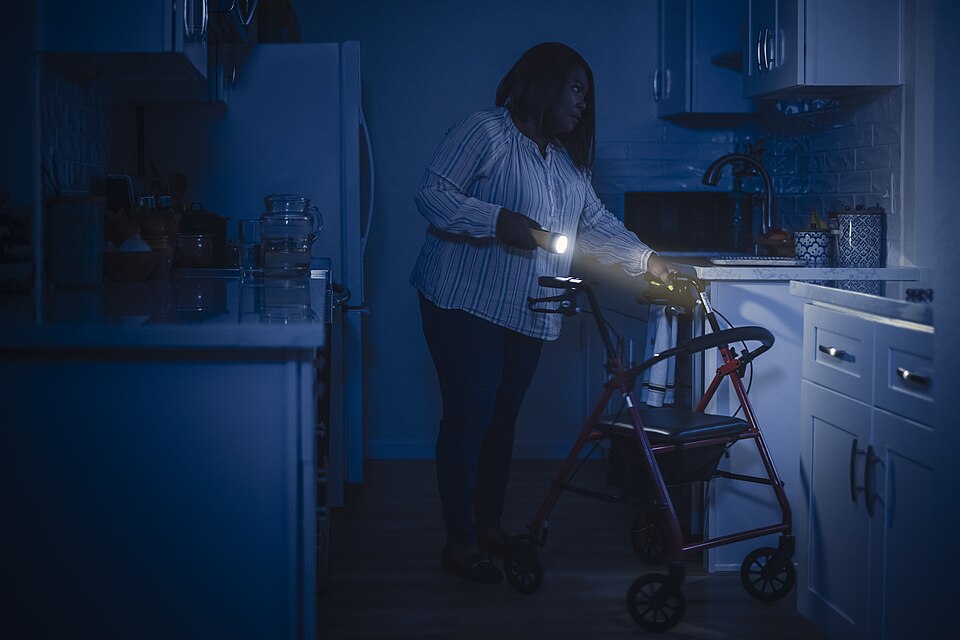
This sounds obvious, but a lot of people fail right here.
Before the storm hits, gather your flashlights, lanterns, headlamps, and extra batteries. Put them somewhere easy to reach. Do not leave them scattered in junk drawers, closets, garages, cars, and random cabinets.
Every adult in the home should know where the lights are. Older kids should know too.
Avoid relying on candles as your main light source. Candles can cause fires, especially when people are stressed, tired, distracted, or moving around in the dark. Flashlights and battery-powered lanterns are safer and easier.
A good storm setup is not complicated:
One flashlight near the bed.
One near the main living area.
One near the kitchen.
One near the emergency supplies.
Extra batteries in the same place.
That is not fancy. It is just useful.
Store Water Before You Need It
Water is one of the first things people forget until it becomes a problem.
Before a bad storm, make sure your household has drinking water. If you are worried about water service being interrupted, contamination, flooding, or long outages, store extra water ahead of time.
A simple rule is to have at least one gallon of water per person per day for drinking and basic sanitation. Pets need water too, and people often forget that until the dog bowl is empty and the tap is not working.
You can store bottled water, fill clean containers, or fill pitchers before the storm arrives. Some people also fill a bathtub with water for flushing toilets or basic washing, but that water should not be treated as drinking water unless properly filtered or treated.
Do not wait until everyone else is panic-buying cases of water. That is amateur hour. Storm prep works best when you handle boring basics before they become urgent.
Prepare Easy Food That Does Not Need Power
A storm can knock out electricity, close roads, and make cooking harder. Before it arrives, make sure you have food that does not require a working oven, stove, microwave, or refrigerator.
Good storm food is simple food. Peanut butter, crackers, canned tuna, canned chicken, canned beans, granola bars, applesauce, shelf-stable milk, cereal, nuts, dried fruit, and ready-to-eat meals can all help.
Do not build your storm food plan around complicated cooking. If the power is out and everyone is hot, stressed, or tired, nobody wants a recipe that requires five steps and perfect timing.
Also, check your manual can opener. Having canned food and no working can opener is a ridiculous but common failure.
If you know the storm may cause a power outage, turn your refrigerator and freezer colder ahead of time if your appliance allows it. Keep the doors closed as much as possible once the power goes out. Every time someone opens the fridge to “just check,” they are letting cold air escape.
Secure Outdoor Items Before the Wind Picks Up
Before strong winds arrive, walk around your yard, porch, driveway, and patio.
Look for anything that could blow away, break a window, damage a vehicle, or become a hazard. Patio chairs, umbrellas, trash cans, garden tools, toys, potted plants, decorations, grills, buckets, and loose boards can all become problems in high wind.
Bring lightweight items inside. Move heavier items against a secure wall if they cannot come indoors. Close umbrellas. Take down hanging baskets if needed. Secure trash bins.
This is one of those things people ignore because it feels small. Then the storm hits, and suddenly a patio chair is halfway across the yard or a trash can is rolling into the street.
Storm prep is mostly preventing dumb problems before they happen.
Check Your Vehicles
Before a major storm, fill your gas tank if you can. You do not want to be low on fuel if you need to evacuate, drive around closed roads, run errands after the storm, or sit in traffic.
Move vehicles away from trees, weak branches, low-lying flood areas, and places where debris may fall. If you have a garage or carport, use it if it is safe.
Do not park in a spot that commonly floods just because it is convenient. Floodwater can ruin a vehicle quickly, and driving through water-covered roads is one of the dumbest risks people take during storms.
Also, keep basic items in the vehicle if severe weather is coming: phone charger, water, a flashlight, a small first aid kit, and any items you may need if you get stuck away from home.
Know Where You Would Go If You Had to Leave
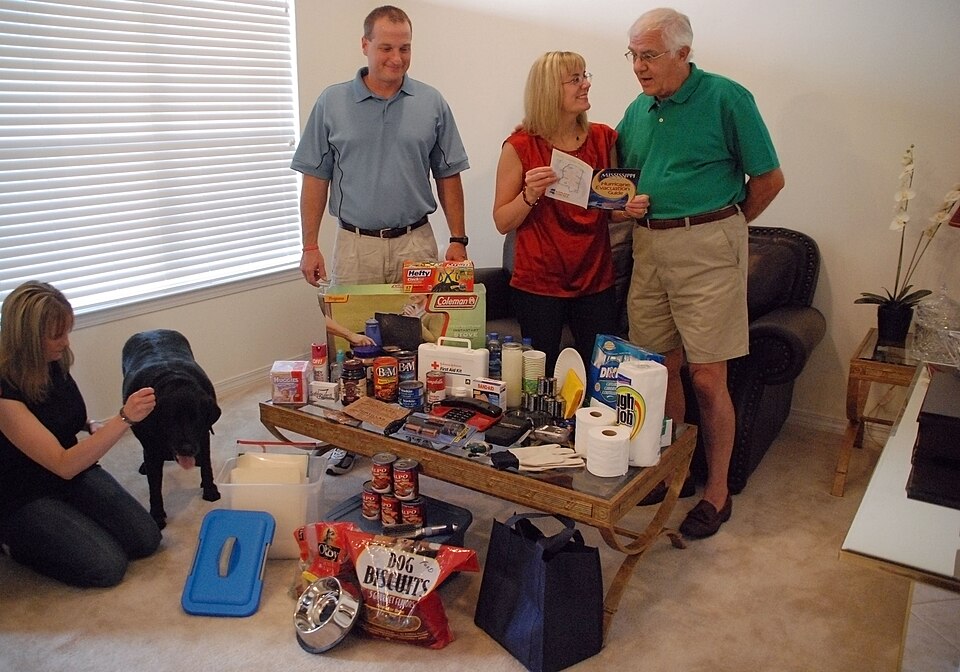
Not every storm requires evacuation, but you should still know your options before you need them.
Think about where you would go if your home became unsafe. That might be a relative’s house, a friend’s house, a hotel farther inland, or a local shelter. If you have pets, this matters even more because not every shelter or hotel accepts animals.
Do not wait until an evacuation order is issued to start asking, “Where would we go?”
You should also know more than one route out of your area. Storms can close roads, flood low spots, knock down trees, or create traffic jams. Having only one plan is weak. Have a backup.
Write down important phone numbers in case your phone dies or service is unreliable. Most people do not have numbers memorized anymore, and that becomes a problem when technology fails.
Protect Important Documents
Before a storm hits, gather important documents and put them in a waterproof bag, folder, or container.
This can include identification, insurance papers, medical information, prescription details, pet records, vehicle documents, emergency contacts, and any paperwork you would need if your home or property were damaged.
You do not need to organize your entire life in one afternoon. But you should at least know where the important documents are and be able to grab them quickly.
Take photos of key documents and store digital copies somewhere secure. Also take photos or video of your home, vehicles, expensive items, and property before the storm if damage is possible. This may help if you need to file an insurance claim later.
People always think they will remember what they owned. They will not. Take the photos.
Prepare for Medical Needs
If anyone in your home depends on medication, medical devices, oxygen, refrigerated medicine, mobility equipment, or special care supplies, storm prep becomes more serious.
Refill medications early if possible. Charge medical devices. Have backup batteries if needed. Know what you will do if the power goes out for longer than expected.
If refrigerated medicine is involved, plan for keeping it cold safely. If someone needs electricity for health reasons, know where you could go if your home loses power.
This is not the area to “figure it out later.” Later is when the roads are bad, the power is gone, and everyone is stressed.
Make a Pet Plan
Pets need storm preparation too.
Before a storm, make sure you have enough pet food, water, medications, leashes, collars, crates, carriers, litter, waste bags, and vaccination records. If you may need to evacuate, know where your pets can go with you.
Do not assume you can just throw everything together at the last minute. Scared pets may hide, panic, or act differently during storms. Get carriers and leashes ready early.
Also, bring outdoor pets inside before conditions get dangerous. Leaving animals outside in severe weather is not tough or practical. It is irresponsible.
Clean Up Drains and Check Problem Areas
If heavy rain is expected, look around your home for drainage problems.
Clear leaves and debris from gutters if you can do so safely before the storm. Make sure drains, ditches, and low areas are not blocked. Move items off the floor in garages, sheds, basements, or low-lying storage areas if flooding is possible.
If water tends to pool near your home, pay attention to that area early. Move valuables, extension cords, chemicals, pet supplies, and tools away from potential water.
A lot of storm damage is made worse by clutter being in the wrong place.
Set Your Refrigerator and Freezer Up for an Outage
If you think the power may go out, prepare your fridge and freezer before it happens.
Keep the doors closed as much as possible. Group frozen items together so they stay cold longer. Freeze containers of water ahead of time if you have space. They can help keep the freezer colder and later become drinking water once thawed.
Have a cooler ready if needed, but do not open the fridge constantly trying to move things around after the power is already out. Make a plan before the outage.
After the storm, when in doubt about spoiled food, throw it out. Food poisoning is not worth saving a questionable pack of meat.
Keep Cash on Hand
Storms can interrupt card machines, ATMs, gas pumps, and internet service. Having some cash in small bills can help with basic needs after the storm.
You do not need a huge amount. Just enough to handle small purchases if electronic payments are not working.
This is another boring prep that matters more than people think.
Decide Your Safe Room Ahead of Time
If the storm brings high wind, tornado risk, or flying debris, know where your safest interior space is.
Usually, that means a small interior room on the lowest level of the home, away from windows. Bathrooms, closets, hallways, or interior rooms may be better than large rooms with windows.
Put shoes nearby. This sounds small, but if glass breaks or debris gets inside, walking barefoot through the house can be dangerous.
You can also keep helmets, blankets, a flashlight, and a phone charger near your safe area if severe wind is possible.
Do Not Forget About Communication
Before the storm, tell family members what the plan is.
Where are the supplies?
Where is the safe room?
Who is checking on older relatives?
What happens if phones stop working?
Where would everyone meet if you had to leave?
A plan that only exists in one person’s head is not a plan. It is a bottleneck. Everyone in the home should know the basics.
Text messages may work better than calls when service is weak, so keep messages short and clear. Save phone battery by avoiding unnecessary scrolling, video streaming, and constant weather refreshing.
Avoid the Last-Minute Store Rush
If the storm is already close and stores are packed, be smart. Do not waste time fighting crowds for items that are already gone.
Focus on what you can still do at home: charge devices, gather supplies, store water, secure outdoor items, check flashlights, prepare food, protect documents, and make a plan.
Last-minute panic shopping is not preparedness. It is what happens when preparedness failed earlier.
What Not to Do Before a Storm
Do not run a generator indoors, in a garage, or near windows.
Do not drive through flooded roads.
Do not ignore evacuation orders.
Do not leave pets outside.
Do not rely only on candles.
Do not wait until the power is out to look for supplies.
Do not assume the storm will “probably be fine” just because past storms missed your area.
That kind of thinking gets people in trouble. Preparation is not fear. It is basic responsibility.
A Simple Storm Prep Checklist
Before a bad storm hits, try to handle these basics:
Charge phones, power banks, radios, and medical devices.
Gather flashlights, lanterns, and batteries.
Store drinking water for people and pets.
Prepare easy food that does not need power.
Find your manual can opener.
Secure outdoor furniture, tools, trash cans, and loose items.
Fill your gas tank if possible.
Move vehicles away from trees and flood-prone areas.
Gather important documents.
Take photos of your home and property.
Prepare medications and medical supplies.
Get pet food, crates, leashes, and records ready.
Know your safe room.
Review your evacuation plan.
Keep cash in small bills.
Follow local weather and emergency updates.
The Bottom Line
The best time to prepare for a bad storm is before everyone else is panicking.
You do not need to be extreme. You need to be early, practical, and honest about what storms actually do. They knock out power. They flood roads. They damage homes. They interrupt water, food, communication, transportation, and medical routines.
If you prepare for those problems ahead of time, you give yourself and your family a much better chance of getting through the storm with less stress and fewer mistakes.
Bad weather is stressful enough. Do not make it worse by being unprepared for the obvious.
Related SurviveHack guides
Keep building your practical plan with keep food cold during a power outage and what to do when the power goes out at night. These internal links make it easier to move from one emergency task to the next without hunting through the site.
Official guidance note
For safety-sensitive decisions, compare this guide with Ready.gov emergency kit guidance and local instructions for your area. SurviveHack articles are practical informational guides, not a replacement for emergency, medical, legal, or public safety direction.