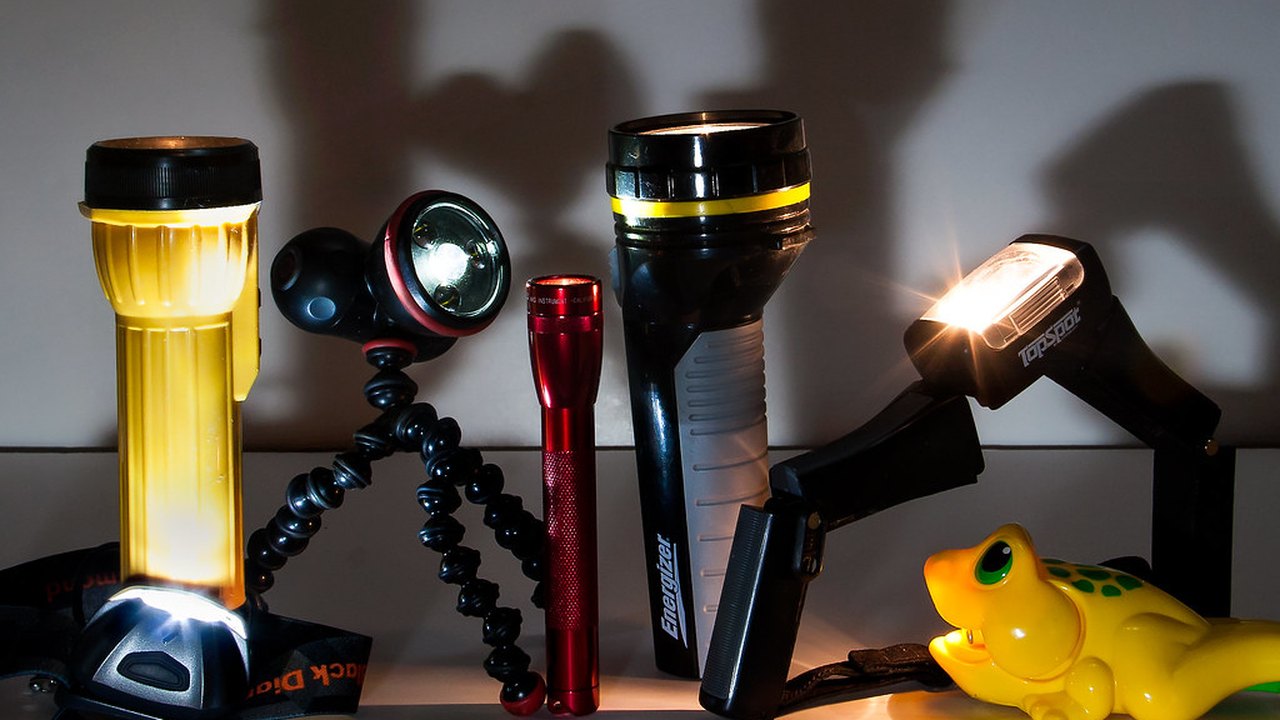
A power outage at night feels bigger than the same outage in daylight. The house goes quiet, familiar rooms look different, and simple tasks can turn clumsy.
The safest plan is slow and practical. Get light, check people, prevent hazards, protect food, and decide whether everyone can stay put.
This guide keeps the advice calm and practical. It is meant for regular households, renters, families, pet owners, and neighbors who want a workable plan without panic buying or fear-based language.
For a stronger plan, pair this guide with our choose emergency lights, protect food during an outage, and build a basic home emergency kit. Preparedness works best when the food, light, phone, document, pet, and neighbor-check pieces support each other.
Start with the safest first move
Handling a nighttime power outage is easier when the first step is boring and clear. Pause, look for immediate hazards, and avoid creating a second problem while trying to solve the first one.
First checks
- Make sure people and pets are safe before sorting supplies.
- Check local alerts or utility information when service is available.
- Avoid downed lines, floodwater, gas smells, and unsafe heat sources.
- Write down important times, temperatures, or instructions.
A calm first move protects the rest of the plan.
Build the plan around safe lighting, people, pets, and food
The best handling a nighttime power outage plan fits the way your household actually works. A renter, a homeowner, a person living alone, a family with pets, and someone caring for an older adult may need different details.
Practical planning points
- Store supplies where they will be used.
- Keep instructions simple enough to follow when tired.
- Assign a person to the first important task.
- Review the plan before storm season and after real outages.
A usable plan beats a perfect plan that nobody remembers.
Keep communication simple
Communication can fail when phones die, networks slow down, or people keep calling each other for updates. Decide how the household will check in before everyone is stressed.
Communication checklist
- Use text messages when networks are busy.
- Save phone battery for alerts, maps, and urgent calls.
- Write important numbers on paper.
- Choose a backup contact outside the affected area if helpful.
Short, planned updates reduce confusion and save battery.
Think through night, pets, and special needs
Many checklists fail because they imagine a calm afternoon. Real outages and storms often happen at night, with pets underfoot, tired people, medication schedules, and dark hallways.
Often-forgotten details
- Set lights near beds, bathrooms, and stairs.
- Keep pet leashes, carriers, and food easy to reach.
- Know which medications or devices need power or refrigeration.
- Keep shoes and a flashlight near sleeping areas.
Planning for ordinary friction makes the whole setup safer.
Use official guidance for safety decisions
General advice can help you prepare, but official local instructions matter during active events. Weather, water, evacuation, shelter, and food safety guidance can change by location.
Where to verify
- Local emergency management alerts.
- Utility outage maps and restoration notices.
- National Weather Service alerts.
- CDC, Ready.gov, EPA, FDA, USDA, AVMA, or local health department guidance when relevant.
Use this guide as a practical checklist, then confirm safety details with the officials responsible for your area.
Reset after the event
The final step in handling a nighttime power outage is a short reset. Replace what you used, write down what failed, and make the next event easier.
Reset tasks
- Recharge phones, power banks, lights, and radios.
- Replace food, water, batteries, and pet supplies.
- Update notes, contacts, and documents.
- Fix one weak spot while the lesson is fresh.
Preparedness improves fastest right after you learn what did not work.
Simple mistakes to avoid
Most preparedness gaps are ordinary. People store supplies where they cannot reach them, forget to charge the thing they planned to use, or skip official guidance because they are tired.
- Waiting until conditions are unsafe before starting simple tasks.
- Depending on one phone flashlight or one uncharged power bank.
- Ignoring pets, medications, older adults, or special household needs.
- Opening refrigerators, freezers, coolers, or doors repeatedly without a plan.
- Treating a generic checklist as more important than local official instructions.
Official guidance to compare with your plan
Use Ready.gov power outage guidance for official preparedness basics.
Set up the house for a safer night
Once everyone is accounted for, make the house easier to move through. Put one lantern in the main room, one low light near the bathroom path, and flashlights near bedrooms. Keep shoes nearby in case a branch breaks a window, a glass falls, or you need to step outside after the weather clears. If children are scared, give them one simple job such as holding a flashlight while an adult checks the hallway.
Pets need a plan too. A dark house can make animals nervous, and opening exterior doors during an outage can create an escape risk. Keep leashes, carriers, and treats in one place. If your pet hides during storms, close off unsafe rooms and avoid chasing them unless there is an immediate danger.
Before going back to sleep, make sure heat-producing appliances are off, phones are in low power mode, and one person knows where the flashlight is. If carbon monoxide alarms sound, you smell gas, see sparks, or medical equipment cannot run safely, treat that as an urgent safety problem rather than a normal outage.
What not to do in the dark
Do not rush outside just because the neighborhood is dark. Downed lines, broken branches, slick steps, and poor visibility can make a quick look risky. Do not use a grill, camp stove, or generator indoors for heat or cooking. Do not light candles and then fall asleep. Do not keep opening the refrigerator for comfort food or drinks.
Instead, keep the first hour simple. Get safe light, check people and pets, report the outage if needed, and decide whether the home is safe to stay in. If the house is too hot, too cold, flooding, smoky, or affected by a carbon monoxide alarm, shift from comfort mode to safety mode and seek official help.
Morning-after reset
If the outage lasts through the night, do a morning reset before the house returns to normal routines. Check refrigerator and freezer temperatures, recharge any device that still has power available, and look outside from a safe place before walking around. Confirm whether schools, work, roads, or local services are affected. If everyone slept in one area, return flashlights and shoes to their normal emergency spots. A nighttime outage can scatter supplies quickly, and the morning reset keeps the next night from starting with missing gear.
Local notes to add
Before you rely on this guide during a real problem, add two local details: where official updates come from in your area and who you would contact first if the situation changes. That might be your utility outage map, local emergency management office, water provider, county alerts, veterinarian, pharmacy, landlord, or a nearby family member. Preparedness gets stronger when general advice is connected to the exact services, people, and rules that apply where you live.
Final readiness check
Take five minutes to test this plan in the real place where you will use it. Check the shelf, drawer, cooler, charger, document folder, pet kit, or light source mentioned in this guide. If one item is missing, fix that one item now instead of turning the plan into a long shopping list.
Conclusion
A useful plan is one you can repeat when the lights are out, the weather is loud, or everyone is tired. Keep the steps simple, store supplies where they make sense, and review the plan after each real event so the next one is easier.