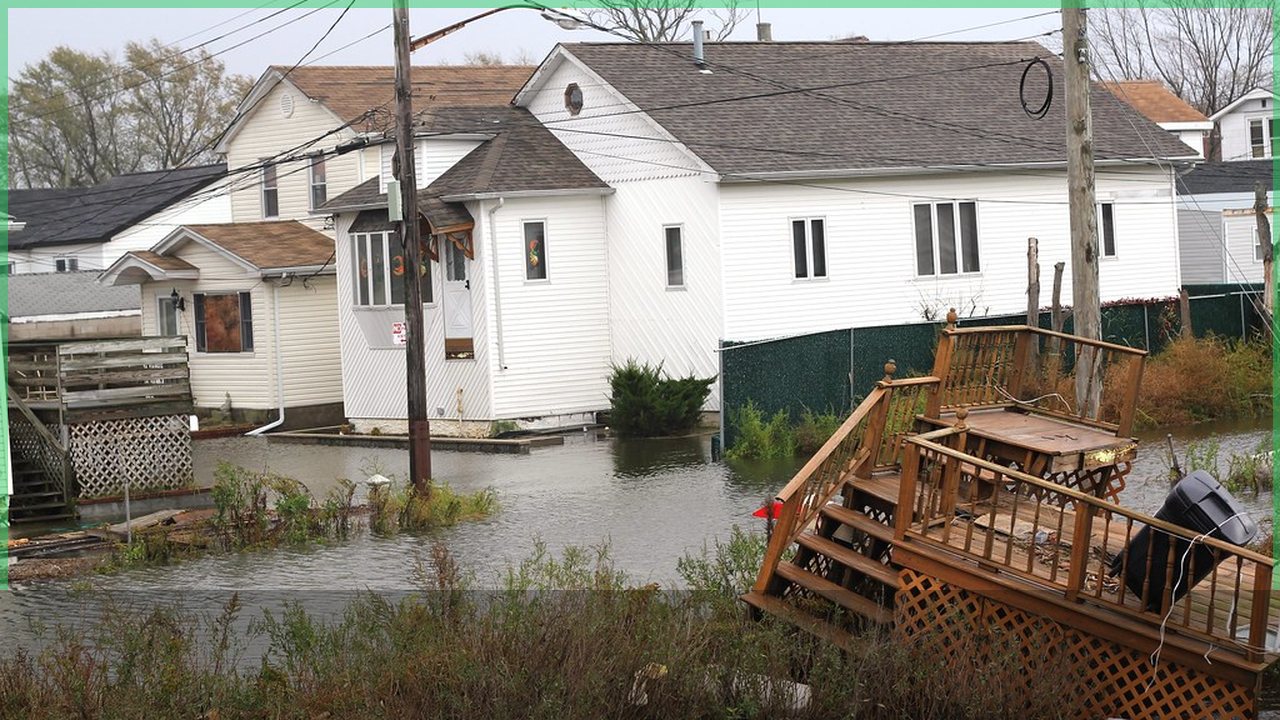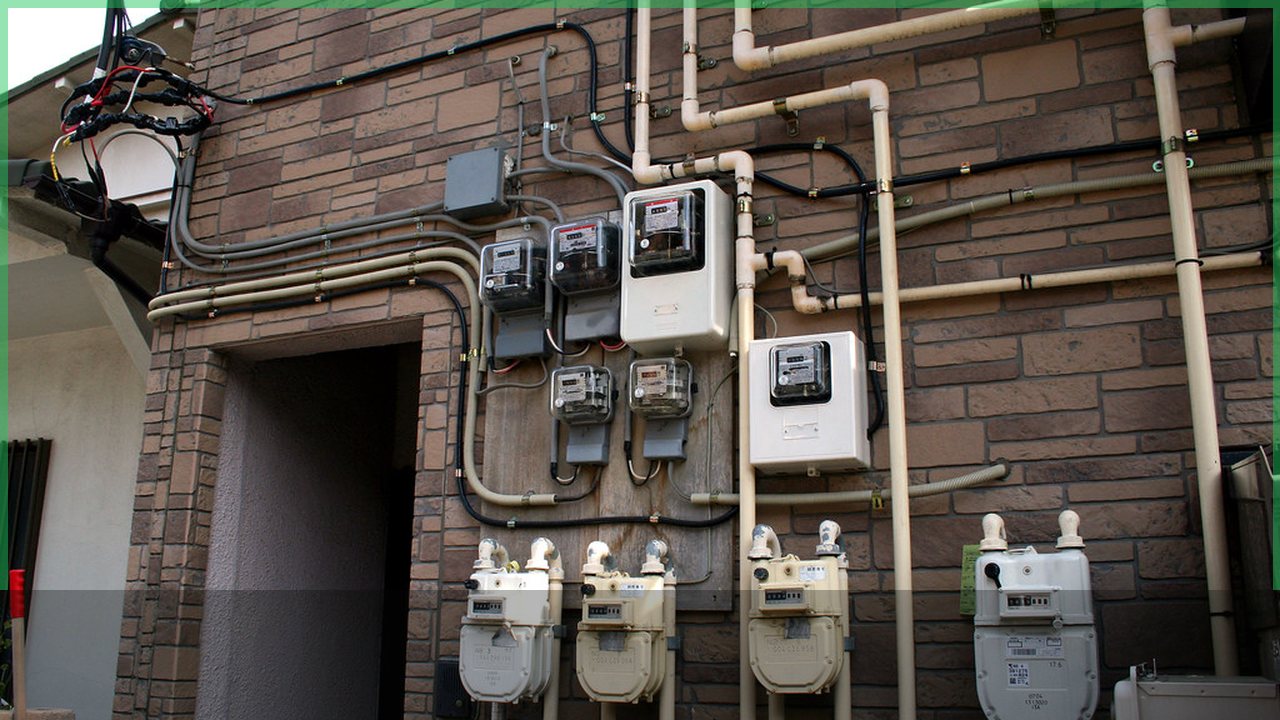

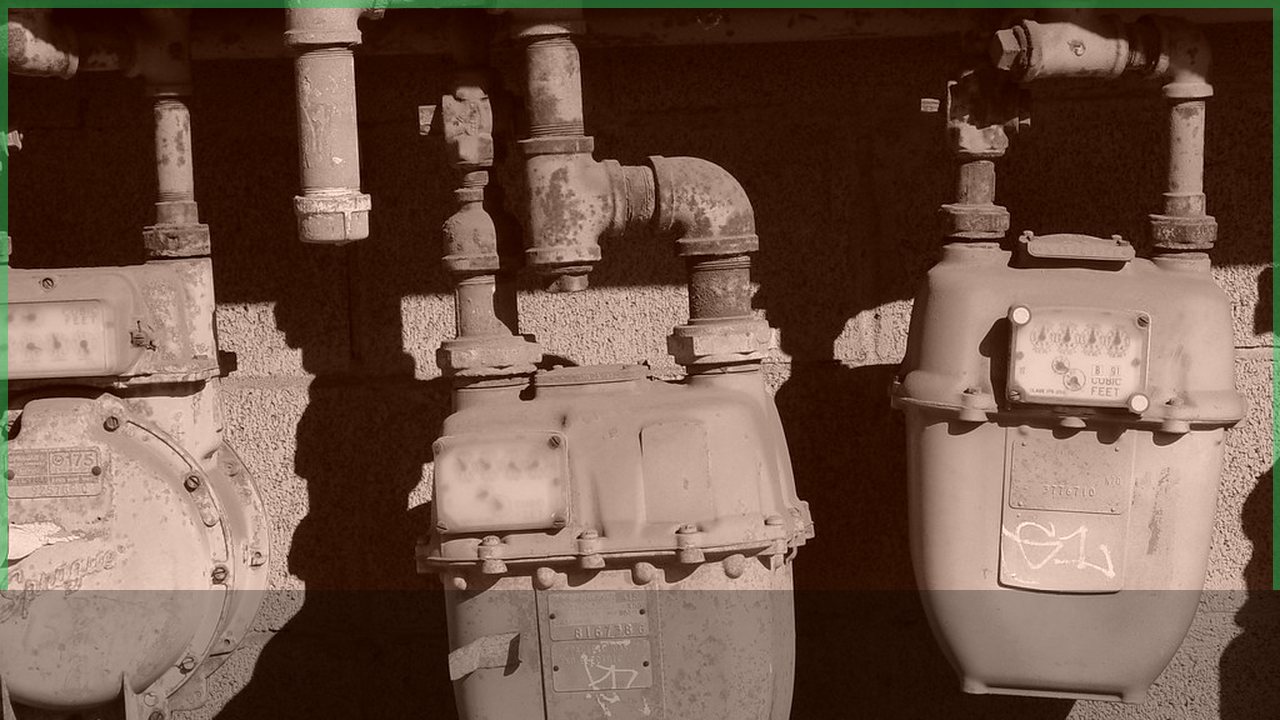
A gas smell after a storm is not a troubleshooting project; it is a leave-and-call situation.
Good home readiness is usually a series of small fixes, not a dramatic overhaul. The most useful plan is one another adult in the house could understand without a lecture.
If you are building a larger household plan, pair this with SurviveHack's storm prep checklist, emergency documents checklist, and emergency lighting guide. Those guides cover nearby pieces so this one can stay focused on do if you smell.
The real-life situation to plan for
Most household safety issues start small: a blocked exit, a loose chair on the porch, a dead flashlight, a slick stair, or one adult who knows the shutoff location while everyone else guesses. For do If You Smell Gas After a Storm, the goal is to remove those small weak spots before pressure builds.
Do not try to fix every possible scenario in one afternoon. Pick the part that would cause the most trouble this week, handle it, and then build from there. That approach is slower than a shopping list, but it creates a plan people can actually use.
Make it fit the people in your home
A home plan should match the house, not an internet checklist. For do If You Smell Gas After a Storm, pay attention to stairs, pets, kids, older adults, renters, medical equipment, heavy doors, poor lighting, and the one room everyone uses when the weather gets bad.
Assign tiny jobs before anything happens. One person checks alerts, one closes windows, one gathers pets, one handles lights, and one checks on a neighbor if it is safe. Jobs can change, but naming them ahead of time lowers confusion.
Start with the safest option
For do If You Smell Gas After a Storm, the first pass should be simple enough to complete without special equipment. These are the moves that make the situation safer while you gather better information.
- walk the property before weather arrives
- clear exits, stairs, and hallway paths
- move loose outdoor items to a secure spot
- test alarms, lights, and communication tools
- check on anyone in the household who needs extra time or help
Write the first few steps on paper or in a shared note. In a real outage, storm warning, water notice, or repair problem, people forget what seemed obvious earlier. A short written plan also helps a spouse, roommate, teen, sitter, or neighbor step in without waiting for one person to direct everything.
Keep the first version of the do if you smell plan intentionally plain. If a step requires shopping, special training, or a long explanation, it belongs in the improvement list, not the first-response list. The first-response list should be usable when people are tired, phones are low, and the house is not operating normally.
Organize the pieces before they are urgent
A useful setup is visible, labeled, and boring. If the right item is buried under seasonal decorations or spread across five drawers, it may as well not exist when the lights go out or the weather turns.
- Check gutters and drains and fix the obvious problem before buying anything extra.
- Check windows and doors and fix the obvious problem before buying anything extra.
- Check extension cords and fix the obvious problem before buying anything extra.
- Check smoke and carbon monoxide alarms and fix the obvious problem before buying anything extra.
- Check stairways and fix the obvious problem before buying anything extra.
- Check utility shutoffs and fix the obvious problem before buying anything extra.
Keep the supplies for do If You Smell Gas After a Storm close to the place where they will be used. Lighting belongs near sleeping areas and main walkways. Food and water supplies belong where they stay dry and cool. Pet supplies belong near carriers or leashes. Documents belong where they can be grabbed quickly and backed up digitally.
The test is simple: could another responsible person find what they need in two minutes? If not, the issue is usually organization, not a lack of gear.
Labels help more than most people expect. Use plain labels such as outage lights, pet medicine, water containers, insurance photos, car kit, or no-cook meals. In a stressful moment, a clear label saves time and keeps people from tearing apart cabinets.
Watch for these weak spots
A lot of emergency advice gets messy because it skips the ordinary mistakes. These are the ones worth removing from your plan now.
- waiting until a warning is already active
- using candles as the main light source
- leaving patio items in the wind
- forgetting basement or garage hazards
- assuming everyone knows the plan
For home safety, the most dangerous shortcut is assuming that everyone will remember the plan under stress. Walk through the basics out loud before storm season, before travel, and after any change in the household.
Make the next time easier
The best plan for do If You Smell Gas After a Storm is the one you review before you need it. Put a reminder on the calendar at the start of storm season and again when clocks change or school routines shift.
- review the plan at the start of storm season
- keep flashlights near bedrooms
- replace alarm batteries on a schedule
- store outdoor tie-downs where they will be used
This review should not become a big production. Ten minutes is enough to replace batteries, check dates, confirm contact numbers, move supplies back to their homes, and notice whether the plan still fits your household.
A 15-minute review you can actually finish
A short review is better than an ambitious plan you keep avoiding. Set a timer, stay focused, and stop when the most important items are handled. The goal is steady improvement, not a perfect emergency closet.
- Read the first paragraph of your do if you smell plan out loud and make sure it still sounds useful.
- Throw away or replace anything expired, leaking, broken, corroded, or missing a key part.
- Confirm that the most important supplies are reachable without moving heavy boxes.
- Update contact numbers, medication notes, pet records, and local alert sources if anything changed.
- Pick one small improvement for next week instead of turning the review into a full project.
This rhythm keeps preparedness calm. You are not trying to predict every emergency. You are keeping the everyday pieces of food, water, light, documents, communication, pets, and home safety from falling out of date.
After you use this plan, make one quick note about what worked and what slowed you down. Maybe the flashlight was in the wrong drawer, the pet carrier was harder to reach than expected, the cooler needed more ice, or an important phone number was outdated. Those small notes are how a generic do if you smell idea turns into a household system that keeps improving.
When to use official guidance
Use local alerts, emergency management updates, utility notices, weather service guidance, food safety charts, public health instructions, and animal-care resources when the situation involves safety thresholds or local conditions. A blog can help you prepare, but official sources should guide time-sensitive decisions.
Call emergency services or leave the area if you smell gas, see downed power lines, face rising water, have a fire risk, need urgent medical help, or feel unsafe. Practical preparedness should make those decisions clearer, not delay them.
Bottom line
What to Do If You Smell Gas After a Storm comes down to making a few useful decisions before stress takes over. Keep the plan plain, keep supplies findable, use official guidance when safety is involved, and review the setup often enough that it still matches real life.