Emergency lighting should make the house safer, not just brighter. During an outage, people need to walk, check rooms, care for pets, read labels, find medicine, and avoid stairs or cords.
Good lights are simple, easy to find in the dark, and matched to real tasks. You do not need the brightest light on the shelf. You need dependable light regular people can use.
This guide keeps the advice calm and practical. It is meant for regular households, renters, families, pet owners, and neighbors who want a workable plan without panic buying or fear-based language.
For a stronger plan, pair this guide with our choose emergency lights, protect food during an outage, and build a basic home emergency kit. Preparedness works best when the food, light, phone, document, pet, and neighbor-check pieces support each other.
Start with the safest first move
Choosing emergency lights for power outages is easier when the first step is boring and clear. Pause, look for immediate hazards, and avoid creating a second problem while trying to solve the first one.
First checks
- Make sure people and pets are safe before sorting supplies.
- Check local alerts or utility information when service is available.
- Avoid downed lines, floodwater, gas smells, and unsafe heat sources.
- Write down important times, temperatures, or instructions.
A calm first move protects the rest of the plan.
Build the plan around lanterns, flashlights, headlamps, batteries, and safe placement
The best choosing emergency lights for power outages plan fits the way your household actually works. A renter, a homeowner, a person living alone, a family with pets, and someone caring for an older adult may need different details.
Practical planning points
- Store supplies where they will be used.
- Keep instructions simple enough to follow when tired.
- Assign a person to the first important task.
- Review the plan before storm season and after real outages.
A usable plan beats a perfect plan that nobody remembers.
Keep communication simple
Communication can fail when phones die, networks slow down, or people keep calling each other for updates. Decide how the household will check in before everyone is stressed.
Communication checklist
- Use text messages when networks are busy.
- Save phone battery for alerts, maps, and urgent calls.
- Write important numbers on paper.
- Choose a backup contact outside the affected area if helpful.
Short, planned updates reduce confusion and save battery.
Think through night, pets, and special needs
Many checklists fail because they imagine a calm afternoon. Real outages and storms often happen at night, with pets underfoot, tired people, medication schedules, and dark hallways.
Often-forgotten details
- Set lights near beds, bathrooms, and stairs.
- Keep pet leashes, carriers, and food easy to reach.
- Know which medications or devices need power or refrigeration.
- Keep shoes and a flashlight near sleeping areas.
Planning for ordinary friction makes the whole setup safer.
Use official guidance for safety decisions
General advice can help you prepare, but official local instructions matter during active events. Weather, water, evacuation, shelter, and food safety guidance can change by location.
Where to verify
- Local emergency management alerts.
- Utility outage maps and restoration notices.
- National Weather Service alerts.
- CDC, Ready.gov, EPA, FDA, USDA, AVMA, or local health department guidance when relevant.
Use this guide as a practical checklist, then confirm safety details with the officials responsible for your area.
Reset after the event
The final step in choosing emergency lights for power outages is a short reset. Replace what you used, write down what failed, and make the next event easier.
Reset tasks
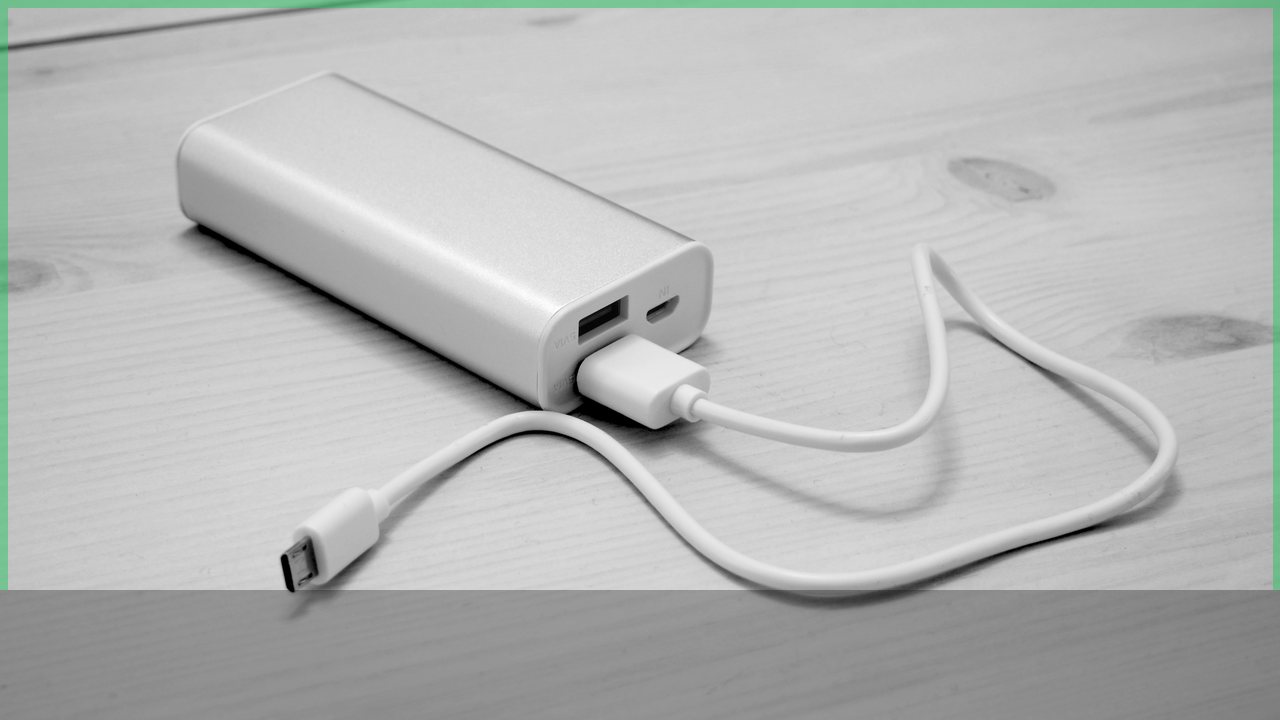
- Recharge phones, power banks, lights, and radios.
- Replace food, water, batteries, and pet supplies.
- Update notes, contacts, and documents.
- Fix one weak spot while the lesson is fresh.
Preparedness improves fastest right after you learn what did not work.
Simple mistakes to avoid
Most preparedness gaps are ordinary. People store supplies where they cannot reach them, forget to charge the thing they planned to use, or skip official guidance because they are tired.
- Waiting until conditions are unsafe before starting simple tasks.
- Depending on one phone flashlight or one uncharged power bank.
- Ignoring pets, medications, older adults, or special household needs.
- Opening refrigerators, freezers, coolers, or doors repeatedly without a plan.
- Treating a generic checklist as more important than local official instructions.
Official guidance to compare with your plan
For broader power outage safety, review Ready.gov power outage guidance.
Match each light to a real outage task
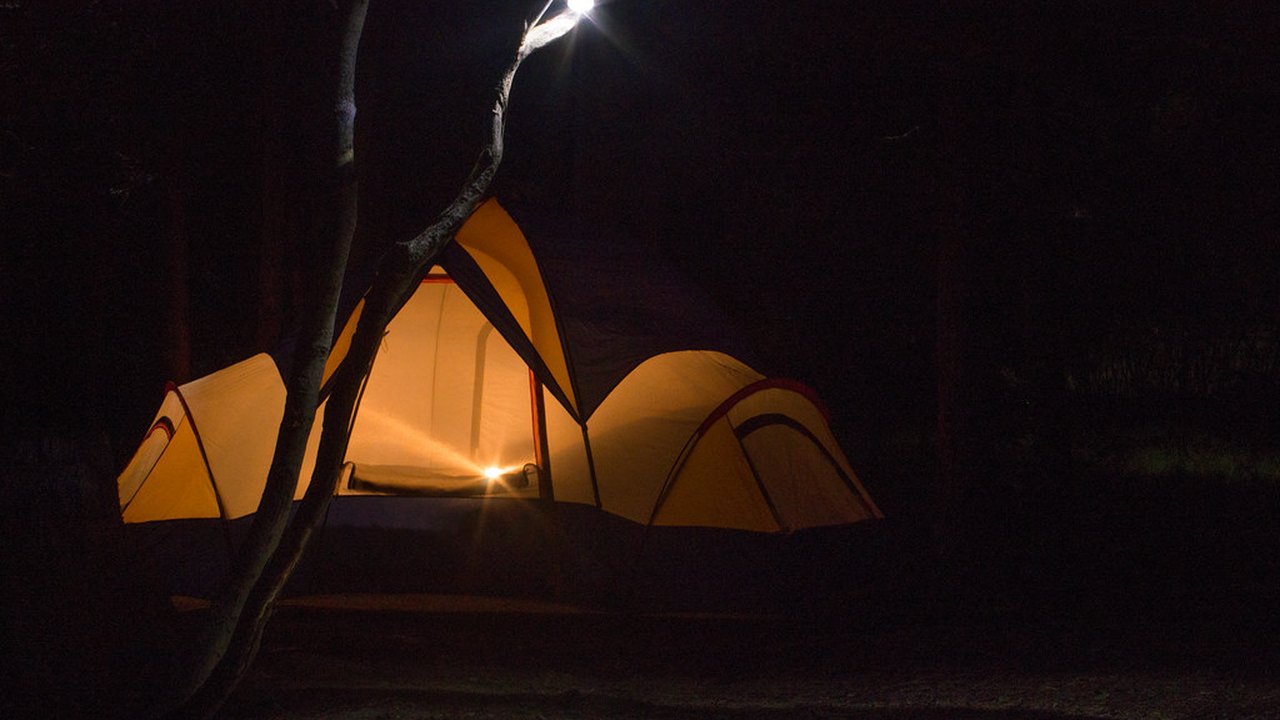
The best emergency light is not always the brightest one. A room lantern helps people gather safely. A flashlight is useful for checking a hallway, breaker panel path, or vehicle. A headlamp is ideal when you need both hands for pets, cleanup, cooking, or carrying supplies. Small plug-in outage lights can help with bathroom paths if they automatically turn on when power fails.
Runtime matters more than dramatic brightness. A lower setting that lasts all night is often safer than a high setting that dies in an hour. Choose batteries you can replace easily, or use rechargeable lights only if you also keep power banks charged. Store spare batteries with the lights, not in a mystery drawer across the house.
Test the setup at night before you need it. Turn off the lights and walk from the bedroom to the bathroom, kitchen, and exit. If you reach for your phone every time, add a real light in that spot. The goal is a house that can function safely without draining the phone you need for alerts.
Where to store lights so people actually find them
Emergency lights should live where hands naturally reach in the dark. Put a flashlight by each bed, a lantern in the main room, and a headlamp with the tool or emergency shelf. If you have stairs, place a light near the top or bottom so no one relies on memory while half awake.
Label the battery container and keep it separate from dead batteries waiting to be recycled. If a light uses a charging cable, store the cable with the light. A good lighting setup is not just the product you buy; it is the path between a dark room and the working light.
Use light levels intentionally
Bright light is useful for a task, but low light is better for long outages. A lantern on low can mark a hallway or bathroom path for hours. A headlamp on low can handle pet care or cleanup without blinding everyone nearby. Save high mode for short inspections, outdoor checks after conditions are safe, or urgent tasks. Teaching the household to use low mode first can stretch batteries and make the house calmer at night.
Local notes to add
Before you rely on this guide during a real problem, add two local details: where official updates come from in your area and who you would contact first if the situation changes. That might be your utility outage map, local emergency management office, water provider, county alerts, veterinarian, pharmacy, landlord, or a nearby family member. Preparedness gets stronger when general advice is connected to the exact services, people, and rules that apply where you live.
Final readiness check
Take five minutes to test this plan in the real place where you will use it. Check the shelf, drawer, cooler, charger, document folder, pet kit, or light source mentioned in this guide. If one item is missing, fix that one item now instead of turning the plan into a long shopping list.
Conclusion
A useful plan is one you can repeat when the lights are out, the weather is loud, or everyone is tired. Keep the steps simple, store supplies where they make sense, and review the plan after each real event so the next one is easier.