A power outage can turn food safety into a guessing game fast. The best first move is not to open the refrigerator and start sorting. Cold air is the thing you are trying to protect.
The goal is to stretch the safe cold window while making clear decisions. A thermometer, a cooler, ice, and a simple order of operations can protect the food most likely to stay safe.
This guide keeps the advice calm and practical. It is meant for regular households, renters, families, pet owners, and neighbors who want a workable plan without panic buying or fear-based language.
For a stronger plan, pair this guide with our keep food cold during a power outage, prepare for a boil water notice, and build a basic home emergency kit. Preparedness works best when the food, light, phone, document, pet, and neighbor-check pieces support each other.
Protect cold air first
The refrigerator and freezer are insulated boxes. During the first part of an outage, they usually work best when everyone leaves the doors closed. Decide who is allowed to open them and why before anyone starts browsing for snacks or sorting shelves.
First-hour checklist
- Write down the time the power went out.
- Keep refrigerator and freezer doors closed unless there is a real need.
- Check outage updates before moving food into coolers.
- Use battery lights instead of standing with the refrigerator door open.
This simple pause protects the coldest air you already have and keeps the kitchen from becoming a stressful guessing game.
Use thermometers instead of guesses
An appliance thermometer is one of the cheapest and most useful food safety tools you can own. The number matters more than whether a package feels cool to your hand, especially after several hours without power.
Temperatures to watch
- Use a refrigerator thermometer and a freezer thermometer if possible.
- Treat 40 degrees F as the key refrigerator safety line for perishable food.
- Check whether frozen food still has ice crystals before deciding to keep it.
- Do not taste food to decide whether it is safe.
A thermometer turns a vague feeling into a practical decision and helps reduce both waste and risk.
Move food only when the cooler is ready
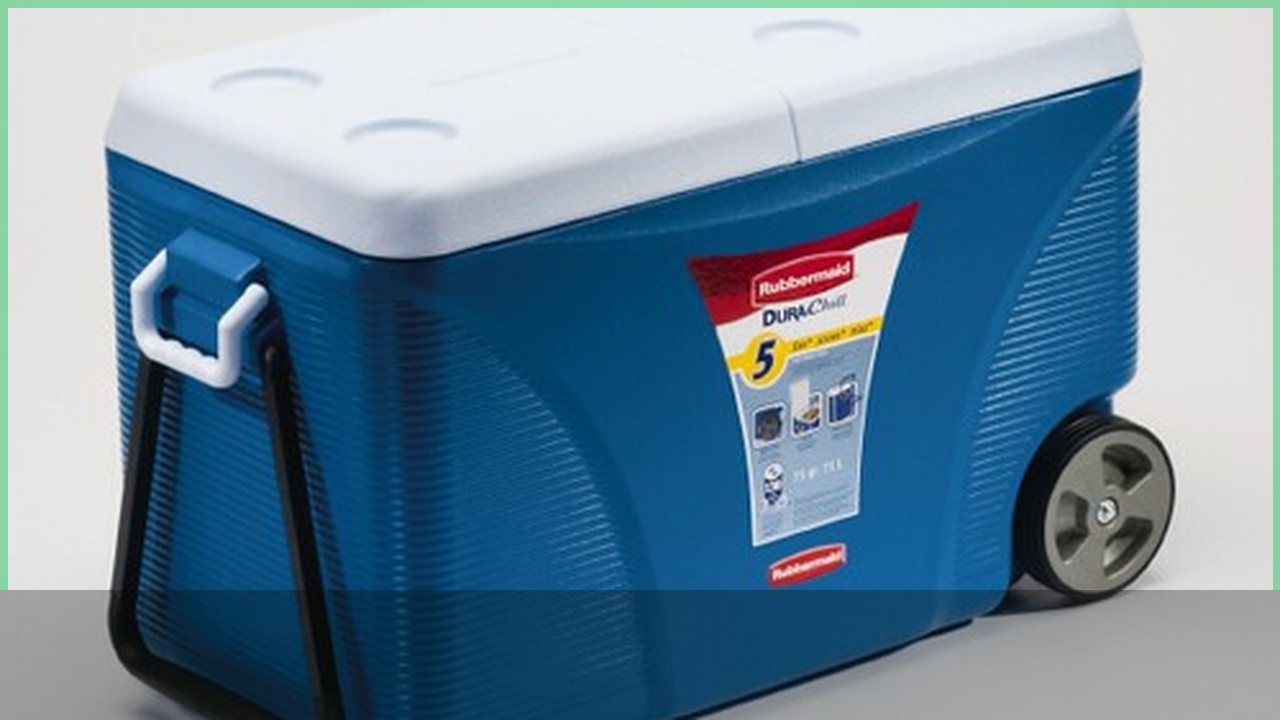
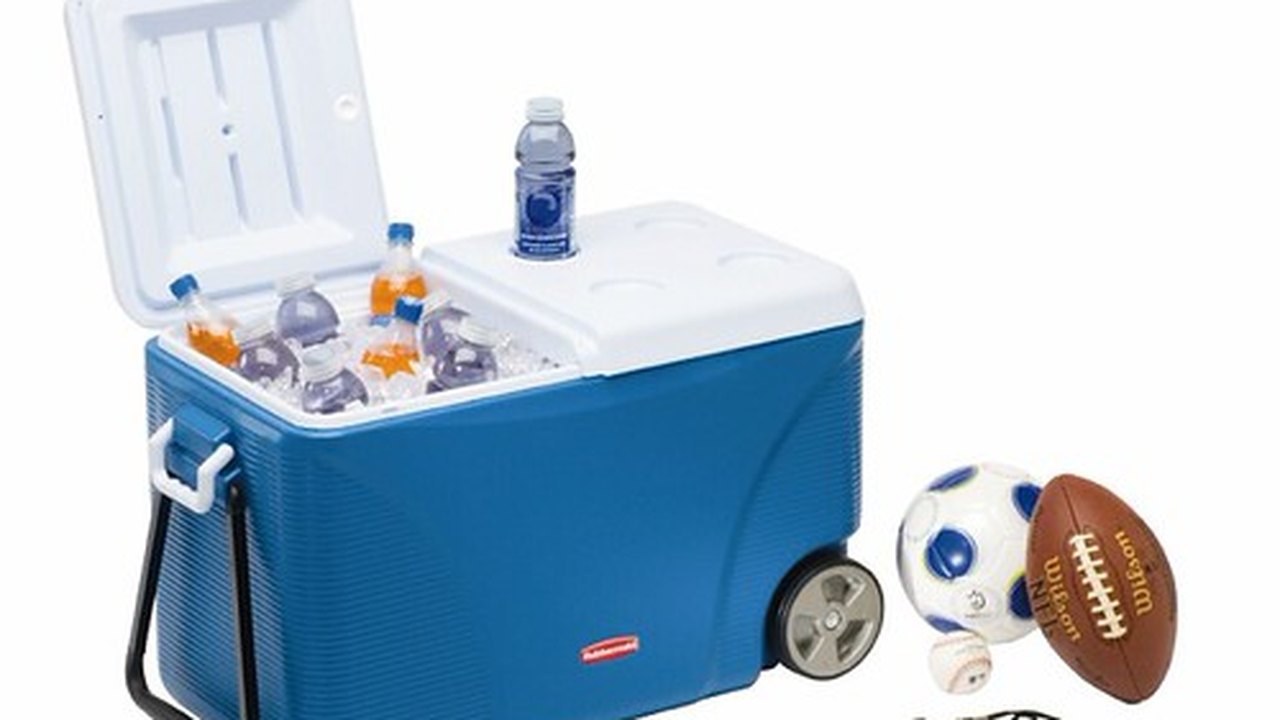
A cooler helps only when it is actually cold. Moving food into a warm empty cooler does not buy much time. Gather ice, frozen gel packs, frozen water bottles, and the food you want to protect before you open the refrigerator.
Cooler priorities
- Move meat, seafood, milk, eggs, cut produce, and leftovers first if they are still safe.
- Keep raw meat sealed and below ready-to-eat food.
- Use block ice or frozen bottles when possible because they melt slowly.
- Keep the cooler shaded and closed.
Think of the cooler as a temporary refrigerator, not a storage tub.
Use the freezer as a cold reserve
A full freezer usually holds cold longer than a half-empty freezer. Before storm season, frozen water bottles can fill empty space and later become useful drinking water as they thaw.
Freezer habits
- Group frozen foods together.
- Freeze water bottles with room for expansion.
- Avoid repeated freezer checks.
- Refreeze only when official guidance says the food stayed safe.
A better packed freezer buys time without expensive gear.
Know when to stop saving food
The hardest part of outage food safety is accepting that some food should be discarded. Cost matters, but getting sick costs more. Use time, temperature, and official charts instead of smell or wishful thinking.
Discard signals
- Perishable refrigerated food warmed above safe temperatures too long.
- Raw meat or seafood leaked onto other food.
- The refrigerator was opened often during a long outage.
- You cannot tell how long the food was warm.
When the evidence is unclear, choose the safer answer.
Simple mistakes to avoid
Most preparedness gaps are ordinary. People store supplies where they cannot reach them, forget to charge the thing they planned to use, or skip official guidance because they are tired.
- Waiting until conditions are unsafe before starting simple tasks.
- Depending on one phone flashlight or one uncharged power bank.
- Ignoring pets, medications, older adults, or special household needs.
- Opening refrigerators, freezers, coolers, or doors repeatedly without a plan.
- Treating a generic checklist as more important than local official instructions.
Official guidance to compare with your plan
For exact refrigerator and freezer rules, compare your situation with FoodSafety.gov power outage food guidance.
Make a cold-storage plan before the next outage
The easiest time to protect food is before a storm or utility problem starts. Keep one cooler clean and reachable, not buried behind seasonal storage. Freeze a few water bottles when severe weather is possible, and leave them in the freezer as cold mass until you need them. Put an appliance thermometer in both the refrigerator and freezer so the next decision is based on temperature instead of guessing.
It also helps to group refrigerator food by priority. High-risk foods such as meat, seafood, dairy, eggs, cooked leftovers, and cut produce should be easy to identify. If the outage is short, leave everything closed. If the outage stretches longer and you have ice ready, move the foods that are still cold and worth protecting first. Keep raw meat sealed and below ready-to-eat items so a leak does not ruin the whole cooler.
After power returns, do not rush the reset. Check the thermometer, sort food with official guidance, clean any leaks, and refreeze new water bottles. This turns one outage into useful practice for the next one.
What to keep near the cooler
Store a small food-outage kit with the cooler so you are not searching through drawers during a storm. Add a marker, freezer tape, a few zip bags, a towel, disposable gloves, and a printed food safety chart. The marker helps label when food moved into the cooler. Bags help separate raw meat, leftovers, pet food, and opened items. A towel helps manage meltwater without dripping across the kitchen.
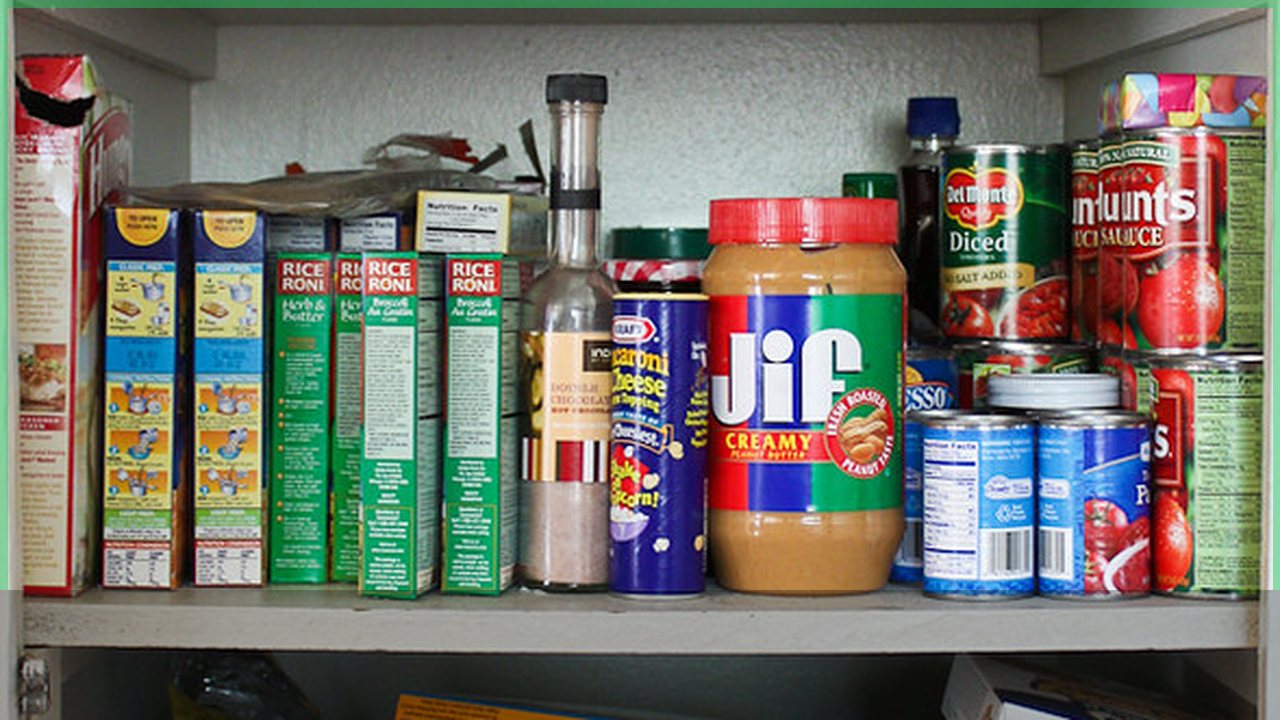
If you have room, keep one shelf-stable meal plan next to the cooler too. Crackers, canned beans, peanut butter, shelf-stable milk, tuna pouches, and ready-to-eat fruit cups can reduce pressure to open the refrigerator. The less you depend on refrigerated food during the first few hours, the more cold air you save for the items that truly need it.
Apartment and renter-friendly cold tips
If you rent or have limited storage, focus on supplies that fit in normal life. A soft cooler, two small appliance thermometers, and a few frozen water bottles can fit in a cabinet or freezer corner. Ask your building manager how outage updates are shared, and keep the utility outage link bookmarked. If you share a refrigerator with roommates, agree ahead of time that doors stay closed during the first hours of an outage. A shared rule protects everyone?s food better than a debate in the dark.
Final readiness check
Take five minutes to test this plan in the real place where you will use it. Check the shelf, drawer, cooler, charger, document folder, pet kit, or light source mentioned in this guide. If one item is missing, fix that one item now instead of turning the plan into a long shopping list.
Conclusion
A useful plan is one you can repeat when the lights are out, the weather is loud, or everyone is tired. Keep the steps simple, store supplies where they make sense, and review the plan after each real event so the next one is easier.