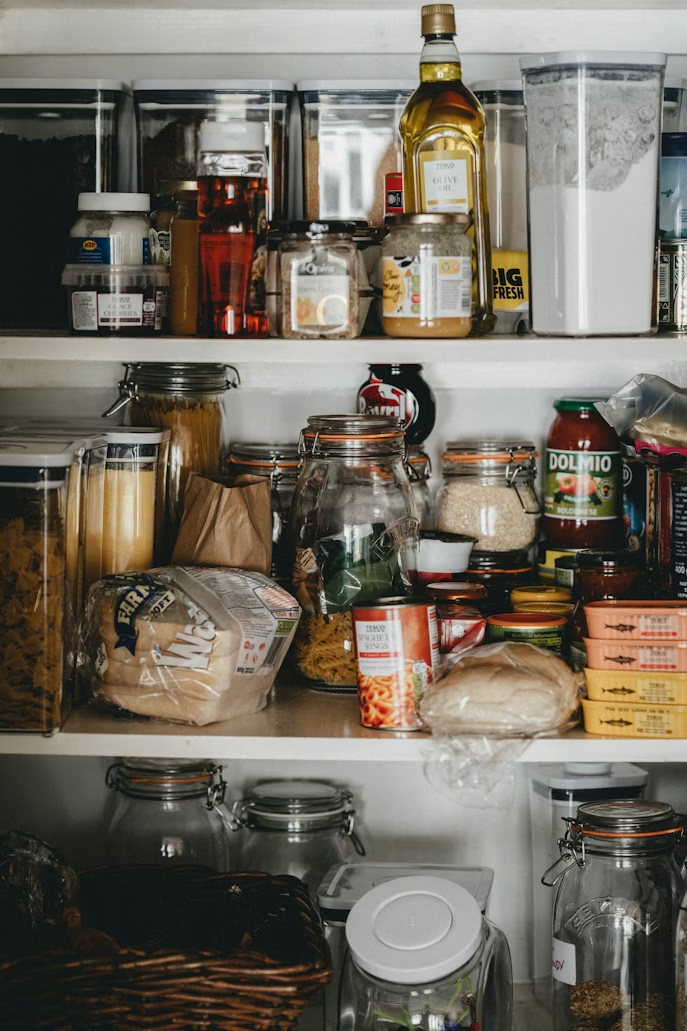
I think one reason people roll their eyes at upcycling is because a lot of projects look cute for five minutes and then end up as more clutter. A glass jar gets painted, a tin can gets wrapped in twine, or an old shirt gets cut up, but none of it really solves a problem. That is why I wanted to focus on upcycling projects that are actually useful. To me, a good upcycling project should do at least one real job. It should help store something, grow something, organize something, save money, reduce waste, or make everyday life easier.
That idea matches the way the U.S. Environmental Protection Agency talks about waste. EPA says the best approach is to reduce and reuse first, and recycle after that. In other words, if something can keep doing useful work before it gets thrown away or processed into something new, that is usually the smarter move. EPA specifically encourages people to reuse or repurpose old clothing, grocery bags, and containers instead of tossing them.
I like that because it takes upcycling out of the “craft project” category and puts it into the “practical home skill” category. The goal is not to make junk look trendy. The goal is to get more life out of things you already own. When an old item becomes something that saves space, grows herbs, protects supplies, or helps you stay organized, that is when upcycling becomes truly useful.
What Makes an Upcycling Project Worth Doing
Before I get into specific ideas, I think it helps to ask one simple question: Will this item be used next month? If the answer is no, the project probably is not worth it. A useful upcycling project should fit your life right now. It should solve a small problem you actually have, not create a new object you feel guilty about throwing away later.
EPA’s guidance on reducing waste is built around this same mindset. The agency encourages people to think before they shop, maintain and repair what they already have, and reuse items in ways that prevent waste. That tells me the best upcycling projects are not random. They are thoughtful. They keep items working longer and reduce the need to buy new things.
That means the most useful projects are often the least flashy. They are storage bins made from sturdy boxes, garden containers made from buckets, cleaning rags made from worn-out shirts, or donation sorting systems made from old baskets. None of those are dramatic, but all of them can help a home run better.
1. Turn Glass Jars Into Food and Supply Storage
One of the easiest and most useful upcycling projects is reusing glass jars. I think jars work because they are already strong, washable, and easy to see through. They can store dry foods, buttons, nails, craft supplies, cotton swabs, rubber bands, or loose change. A jar that once held pasta sauce or jelly can become part of a pantry or a workbench instead of heading straight to the recycling bin.
EPA’s reuse guidance specifically mentions containers as items worth reusing or repurposing. That makes sense to me because containers are some of the easiest things to keep in service. They do not need much work. Usually they just need a good wash, a label, and a purpose.
I also like jar storage because it helps people see what they already have. A drawer full of mystery items becomes easier to manage when screws, beans, beads, tea bags, or clothespins each have a clear container. That may sound simple, but simple systems are often the most useful systems. An upcycled jar that helps you stop buying duplicates or losing supplies is doing a real job.
2. Make Old T-Shirts Into Cleaning Rags
This is one of the most practical projects on the list because almost every home can use more cleaning cloths. Instead of throwing out worn, stained, or stretched-out T-shirts, cut them into reusable rags. These can be used for dusting, wiping muddy shoes, cleaning up spills, or handling grimy messes that you would not want on your nicer towels.
EPA encourages people to reuse old clothing rather than toss it right away, and I think this is one of the best examples. A badly worn shirt may no longer be good to wear, but that does not mean the fabric has no value left. Turning it into rags helps replace disposable paper towels for many tasks, which means less waste and less money spent over time.
I like this project because it respects the item’s condition. Not every old shirt should be donated. Some are too worn out for that. But that same shirt may still have months or years of usefulness left as a cleaning cloth. That is smart upcycling. It matches the item to a job it can still do well.
3. Use Buckets and Food-Safe Containers as Garden Planters
One of the most useful kinds of upcycling is turning sturdy containers into planters. University of Maryland Extension notes that you can make a simple bucket mini-garden by drilling holes in the bottom of a bucket, filling it with potting mix, and planting. It also points out practical steps like using screening to keep potting mix from falling through drainage holes.
I love this project because it solves two problems at once. It reuses a container, and it helps you grow food or herbs. A bucket that might otherwise sit unused in a garage can become a home for tomatoes, basil, lettuce, or peppers. That is what I call useful. It is not just decorative. It produces something.
USDA gardening guidance also says many vegetables and herbs can be grown in containers, including lettuce, spinach, herbs, tomatoes, peppers, beans, radishes, and carrots. That means even people without a big yard can still use upcycled containers to grow something edible.
I do think this project works best when people use common sense. Containers need drainage, enough room for roots, and clean material. But when done thoughtfully, container upcycling is one of the best examples of giving an old item a valuable second life.
4. Turn Cardboard Boxes Into Drawer and Shelf Organizers
Cardboard boxes are not glamorous, but they are incredibly useful. One of my favorite practical upcycling projects is cutting cereal boxes, shipping boxes, or product boxes into custom organizers for drawers, shelves, and closets. A box can be trimmed to fit socks, chargers, school supplies, snack packets, notebooks, or bathroom items. If you want, you can cover it with paper or fabric, but even plain cardboard can work just fine.
I think this kind of project is especially helpful because bought organizers are often expensive and oddly sized. Upcycled cardboard can be made to fit the exact drawer or shelf you already have. That makes it more useful than many store-bought options. EPA’s focus on reusing and repurposing household materials fits perfectly here. If an item can prevent waste while helping your home stay organized, that is a win.
What I like most is that cardboard organizers can evolve. If your needs change, you can resize, combine, or replace them without much cost. That flexibility is a big part of practical upcycling. Useful projects should be allowed to change as your life changes.
5. Reuse Sturdy Bags for Sorting, Storage, and Donations
EPA recommends reusing cloth grocery bags, and I think sturdy reusable bags are much more versatile than people realize. They can be used to sort library books, sports gear, car supplies, winter accessories, or pet items. They also make excellent “donation bags” for clothes and household goods you no longer need.
I especially like using one bag as an ongoing outbox for donations. Goodwill says gently used clothing and household goods can often be donated, and it notes that donation and reuse help divert large amounts of material from landfills every year.
That means one of the most useful upcycling habits may be using old bags to move usable items out of your home and into someone else’s. Not every object needs to be turned into a DIY project. Sometimes the smartest “upcycle” is creating a simple system that helps usable things get reused by another person. I think that counts, because it keeps material in use and prevents waste.
6. Turn Worn Towels and Linens Into Utility Cloths
Old bath towels, washcloths, and sheets can also be turned into useful household helpers. A faded towel can become a pet-drying towel, a car-cleaning cloth, a mat for muddy boots, or padding for moving furniture. An old sheet can become a drop cloth for painting, a cover for outdoor gear, or a protective layer when storing seasonal items.
EPA’s advice to repurpose old clothing and household materials supports this approach. The point is to match the material to a lower-stakes task once it is no longer ideal for its original purpose.
I think this kind of downshifting is one of the smartest forms of upcycling. A towel does not have to go from “bathroom quality” straight to “trash.” It can go from bathroom towel to dog towel to garage rag. That is a useful life cycle. The item keeps serving real needs at each stage instead of being replaced too quickly.
7. Turn Food Containers Into Hardware and Craft Storage
Plastic jars, takeout containers, and small lidded tubs can be incredibly useful for storage. They can hold nails, twist ties, batteries, crayons, spare buttons, puzzle pieces, seed packets, and office supplies. EPA’s plastic waste guidance specifically mentions repurposing containers to prevent waste, and I think this is where that advice shines.
The biggest advantage is visibility and control. Tiny household items tend to get scattered. When that happens, people lose track of what they own and buy more than they need. Reused containers help fix that. A shelf of clearly labeled tubs can turn chaos into a system.
I also like that these containers stack well. That makes them especially useful in closets, garages, and school-work areas. Again, this is not the kind of project that gets a lot of social media attention, but it is the kind people actually use every week.
8. Make a Compost Collector From a Reused Container
If your household composts food scraps, a reused container can become a kitchen compost collector. EPA says composting at home can reduce waste and create a useful soil amendment, and it notes that compost helps support healthier soil and plant growth.
I think a reused container works well here because it gives organic scraps a temporary home before they go outside to a compost bin or pile. That could be a washed plastic tub, a coffee container, or another easy-to-clean bin with a lid. The container itself is not fancy, but the job it performs is very useful. It makes composting easier, cleaner, and more likely to become a real habit.
To me, that is a key sign of good upcycling: the reused item makes a sustainable habit easier to keep. An item that supports composting, gardening, sorting, or repair work is doing much more than just “looking creative.”
9. Reuse Shipping Materials for Storage and Protection
Boxes, padded envelopes, and packing paper can all be reused in smart ways. Small boxes can store holiday decorations, cables, photos, or keepsakes. Packing paper can wrap fragile items for storage. Padded mailers can protect small seasonal decorations or electronic cords. This may not sound exciting, but it is very useful.
EPA’s waste-reduction advice encourages people to reduce what they throw away and extend the life of materials when possible. Reusing shipping supplies is a perfect example because these items are often sturdy enough for more than one job.
I especially like this for people who move often or store seasonal items. Reused materials can save money while preventing perfectly good packaging from being discarded right away. That is practical, and that is exactly the kind of upcycling I trust most.
10. Know When Donation or Recycling Is Better Than Upcycling
I think this may be the most important idea in the whole article: not everything should be upcycled by you. Some items are more useful to other people exactly as they are. Others are no longer reusable and should be recycled if possible. EPA says products should only be recycled if they cannot be reduced or reused first, which shows the general order of preference.
Goodwill’s guidance also reminds people that many gently used household goods can be donated for reuse.
That means a useful mindset is this: first ask whether you still need the item. If yes, maybe upcycle it. If not, ask whether someone else could use it as-is. If yes, donate it. If not, then check whether it belongs in recycling. I think that approach keeps upcycling honest. It prevents people from turning every old object into a half-useful craft just to avoid admitting they no longer need it.
Why Useful Upcycling Matters
To me, the best upcycling projects are small acts of common sense. They help a home work better while reducing waste. They fit with EPA’s message that reducing and reusing materials is better than tossing them right away.
They also help people see value differently. An old jar is not just packaging. A worn shirt is not just trash. A bucket is not just a leftover container. Each one might still be able to do an important job. When people get better at spotting that hidden value, they often save money, stay more organized, and waste less.
I think that is why useful upcycling sticks while decorative upcycling often fades. A project that helps store screws, grow parsley, carry donations, or clean muddy floors keeps earning its place in the home. It proves itself again and again. That is the kind of project I want more of.