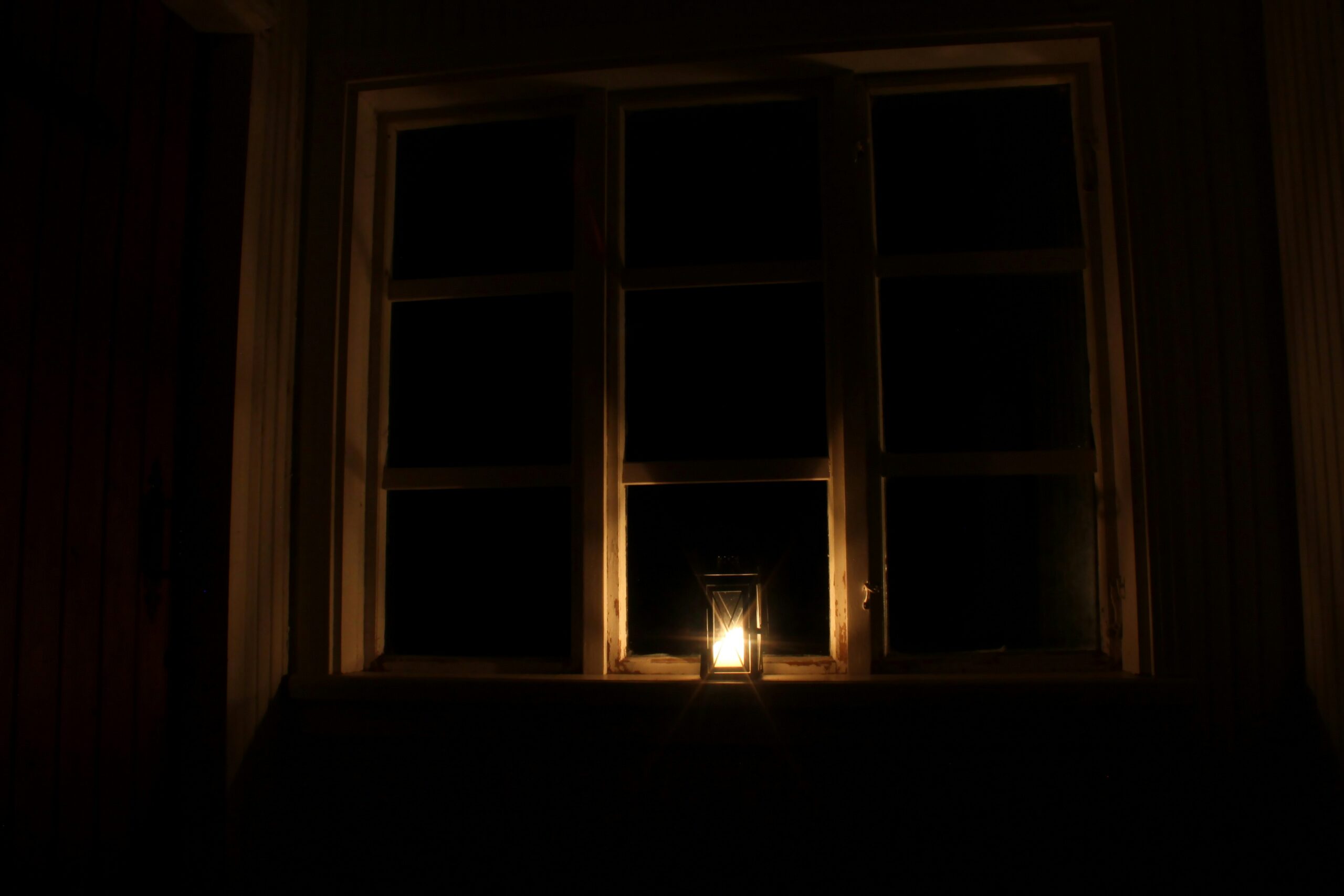
A nighttime outage can feel scary, but I can stay safe with a calm plan
When the power goes out at night, everything changes in a second. One moment, I might be doing homework, watching a show, eating dinner, or getting ready for bed. The next moment, the room goes dark. The refrigerator stops humming. The Wi-Fi disappears. The clock on the microwave goes blank. Outside, the street may look darker than usual, and the quiet can feel strange.
A power outage at night can feel more frightening than one during the day because I cannot see as well. I may not know right away what caused it. A storm, strong wind, ice, a fallen tree, damaged equipment, or a problem with the electric grid could be the reason. Sometimes the lights come back in a few minutes. Other times, the outage lasts for hours.
The good news is that I do not have to panic. A power outage is serious enough that I should pay attention, but it is also something I can handle if I know the right steps. Emergency safety groups recommend using flashlights instead of candles, keeping refrigerator and freezer doors closed, unplugging electronics, and never using generators or outdoor cooking equipment inside because of carbon monoxide danger.
First, I stop moving and check my surroundings
The first thing I do when the lights go out is pause. I do not jump up and run across the room. In the dark, even a familiar house can become tricky. A backpack on the floor, a pair of shoes, a pet, a toy, or a chair pulled out from the table can become a tripping hazard.
I take a breath and let my eyes adjust. Then I listen. Did I hear thunder? Did the wind suddenly get stronger? Did something pop outside? Is anyone calling for help? If I am with family, I calmly ask, “Is everyone okay?” That simple question helps everyone focus.
If I am near stairs, I move slowly and use the handrail. If I am in the kitchen, I stay aware of hot pans, sharp objects, or spills. If I was using an electric stove, microwave, or other appliance, I tell an adult what was happening when the power went out. The first few minutes are not about solving everything. They are about staying safe and making sure no one is hurt.
Next, I find a safe source of light
After I know I am not in immediate danger, I look for a flashlight, battery-powered lantern, or headlamp. A flashlight is safer than a candle because it does not have an open flame. The American Red Cross specifically recommends using flashlights, not candles, during a power outage.
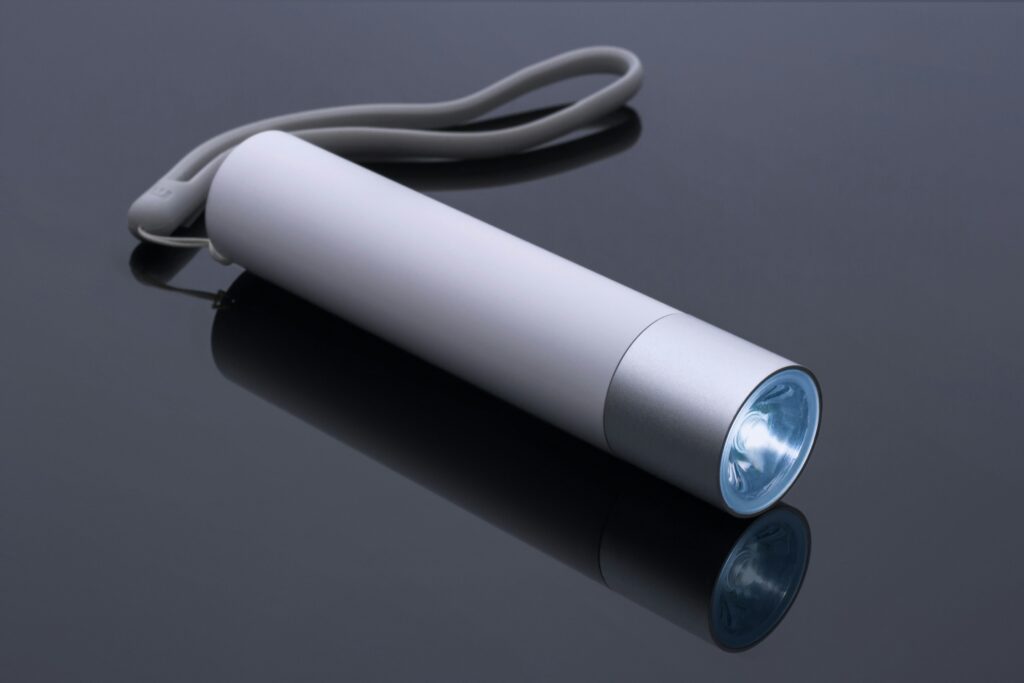
A headlamp is especially useful because it lets me keep both hands free. I can carry supplies, help a younger sibling, open a cabinet, or walk carefully without holding a flashlight. A battery-powered lantern is also helpful because it can light up part of a room without needing to be carried everywhere.
I try not to depend only on my phone flashlight. My phone may be important later for calls, texts, weather alerts, or outage updates. If I use the phone light too much, the battery may drain quickly. I turn down the screen brightness and use low power mode if I can. Saving battery power is part of staying prepared.
Then, I figure out how big the outage is
Once I have light, I try to understand whether the outage is only in my home or in the whole neighborhood. I look out the window without going outside right away. Are the neighbors’ lights out? Are the streetlights dark? Are traffic lights nearby working? Is there a storm happening?
If only my home is dark, the problem could be a tripped breaker or a problem with the house’s electrical system. That is something an adult should handle. I do not touch the breaker box, wires, outlets, or electrical equipment by myself.
If the whole block is dark, the outage is probably wider. An adult can check the power company’s outage map or report the outage by phone if cell service is working. Local news, weather alerts, and official emergency messages may also explain what is happening.
I never go near a downed power line. A wire on the ground can still carry electricity, even if it is not sparking or making noise. I also stay away from trees, puddles, fences, cars, or metal objects that might be touching a fallen wire. This is one of those rules that I do not test. I stay far away and tell an adult to call the utility company or 911.
I gather everyone in one safe place
At night, it is easier and safer if everyone gathers in one room. This helps us keep track of people, pets, flashlights, supplies, and information. It also prevents everyone from wandering around in the dark.
I would choose a room that is easy to move around in and has few things on the floor. If it is cold, I choose a room that can stay warm. If it is hot, I choose a room with good airflow or a cooler part of the house. If there are very young children, older adults, or anyone with medical needs, I make sure they are comfortable and easy to check on.
This is also the time to keep pets close. Dogs and cats may get nervous when the house suddenly goes dark and quiet. A scared pet might hide, run, or get underfoot. Keeping pets in the same room can help prevent accidents.
If someone is frightened, I try to help by staying calm. I can say, “We have flashlights, we are together, and we are going to follow the plan.” A calm voice can make a big difference.
I use my phone carefully and save battery
Phones are useful during a power outage, but they are not magic. They need battery power, and cell networks can become slow if many people are trying to use them at the same time.
I use my phone for important things first. I may text a family member to say we are safe. I may check for weather alerts or outage updates. I may help an adult look up the power company’s outage map. After that, I put the phone away or use it less.
I avoid streaming videos, playing games, or scrolling endlessly because those activities can drain the battery. I also close apps I do not need. If we have a portable charger, I use it wisely so it can help more than one person if needed.
A battery-powered or hand-crank radio can be helpful too. Emergency kits often include radios because they can provide updates even when the internet is not working well. The Red Cross recommends having emergency supplies such as water, nonperishable food, flashlights, batteries, and a battery-powered or hand-crank radio ready for outages and disasters.
I unplug electronics to protect them
When the power comes back, electricity can sometimes return with a surge. A power surge is a sudden increase in voltage that can damage electronics. That is why I unplug items such as computers, televisions, game systems, chargers, and small appliances if it is safe to do so.
The Red Cross advises unplugging appliances and electronics during an outage to help prevent damage from power surges and reduce fire hazards. I do not yank cords from the wall or unplug things in a dangerous area. I move carefully and ask an adult for help.
I leave one light switch turned on. That way, when the power comes back, we will know. Leaving just one light on is better than having many lights and devices suddenly turn on at once.
If I smell smoke, see sparks, notice a burning smell, or see water near outlets or cords, I do not touch anything electrical. I tell an adult immediately. Electricity and water can be extremely dangerous together.
I keep the refrigerator and freezer closed
Food safety matters during a power outage. It may be tempting to open the refrigerator again and again, especially if I am hungry. But each time the door opens, cold air escapes.
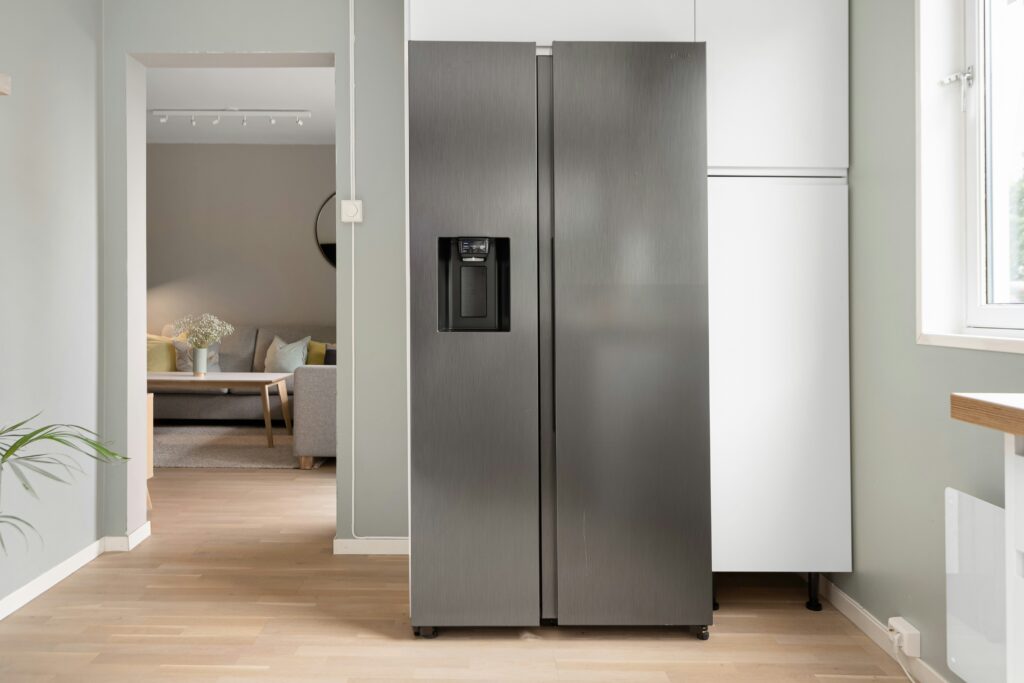
Ready.gov says that during a power outage, refrigerator and freezer doors should stay closed as much as possible. A refrigerator can keep food cold for about four hours if unopened, and a full freezer can keep its temperature for about 48 hours if the door stays closed.
That means I should not stand with the refrigerator door open while deciding what to eat. If I need a snack, I look for shelf-stable foods instead. Crackers, granola bars, peanut butter, canned fruit, applesauce cups, cereal, trail mix, and bottled water are examples of foods that do not need electricity to stay safe.
If the outage lasts a long time, an adult may need to check food temperatures. Food that gets too warm can grow bacteria that may make people sick. When in doubt, it is safer to throw questionable food away than to eat it.
I never use outdoor equipment inside
One of the most dangerous parts of a power outage is carbon monoxide. Carbon monoxide is a gas that people cannot see or smell, but it can make people very sick or even kill them. It can come from generators, grills, camp stoves, gas ovens, and other fuel-burning equipment.
The CDC warns that generators should never be used inside a home or garage, even if doors and windows are open. Generators should be used outside and kept more than 20 feet away from doors, windows, and vents. Ready.gov also says generators, camp stoves, and charcoal grills should be used outdoors and at least 20 feet away from windows.
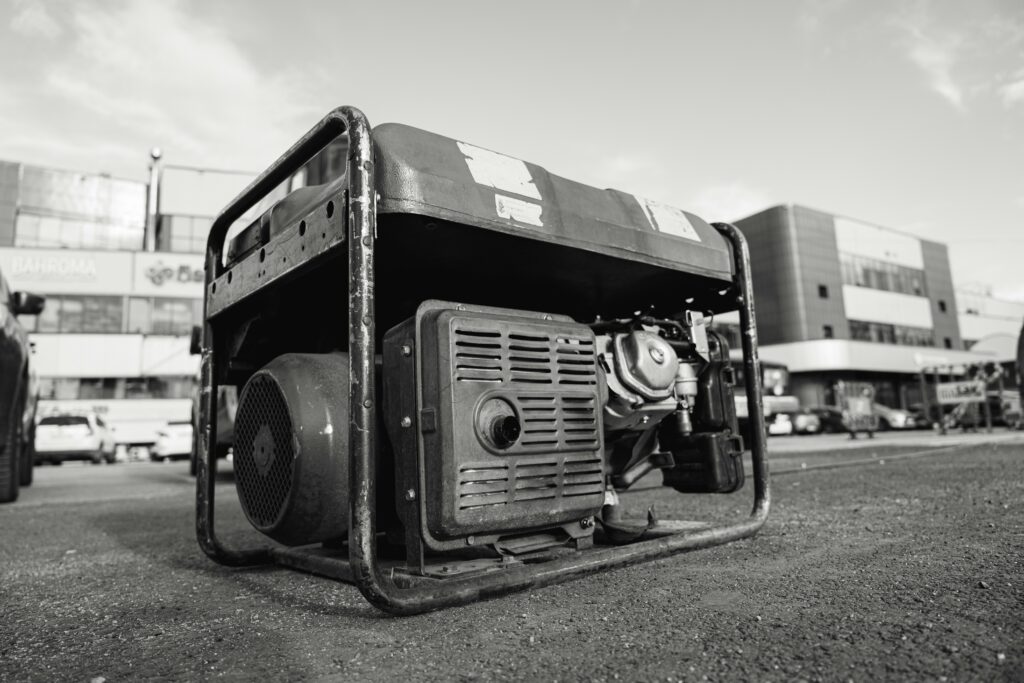
I also never use a gas oven or stovetop to heat the house. That can cause fire danger and carbon monoxide poisoning. If the house becomes dangerously cold or hot, the safer choice may be to go to a shelter, warming center, cooling center, or another safe location if officials recommend it.
Carbon monoxide alarms with battery backup are important because they can warn people even when the power is out. Ready.gov recommends carbon monoxide detectors with battery backup in central locations on every level of the home.
I stay warm safely if the outage happens in winter
A winter power outage at night can become serious because homes can lose heat. I put on layers of clothing instead of trying unsafe heating methods. A sweatshirt, coat, hat, warm socks, and blankets can help trap body heat.
I close doors to rooms we are not using so warmth stays in one area. I can also help block drafts by closing curtains or putting towels near door gaps if an adult says it is okay. Everyone should stay dry because wet clothing makes the body lose heat faster.
If we use a fireplace or a safe indoor heater, an adult must follow the directions carefully and watch it. Portable heaters and fireplaces should not be left unattended. The Red Cross advises keeping space heaters on a level, hard, nonflammable surface and away from bedding, rugs, curtains, children, and pets.
If the home becomes too cold, we should not try risky tricks to stay warm. We should contact local officials, check for warming centers, or go to a safe place with heat if travel conditions allow.
I stay cool safely if the outage happens in summer
A summer power outage can also be dangerous, especially during extreme heat. Without air conditioning or fans, a house can become uncomfortable and unsafe.
I drink water, wear light clothing, and avoid running around. I close blinds or curtains if sunlight is making the house hotter. At night, if it is safe and an adult agrees, opening windows may help bring in cooler air. If the air outside is hotter than inside, it may be better to keep windows closed.
I pay attention to people who may be more affected by heat, including babies, older adults, people who are sick, and pets. If someone is dizzy, confused, weak, nauseated, or very hot, an adult should get medical help.
During long outages in hot weather, officials may open cooling centers. Local news and emergency alerts can help families find safe places to go.
I use water carefully
In some homes, water still works during a power outage. In other places, pumps may need electricity. If we have running water, I still try not to waste it. If there is a storm or flood, the water supply could be affected.
Emergency kits should include water. The Red Cross checklist recommends one gallon of water per person per day, with a three-day supply for evacuation and a two-week supply for home preparedness.
If local officials say to boil water, that means the water may not be safe to drink without treatment. During a power outage, boiling water may not be easy, so families should follow official instructions and use stored bottled water if they have it.
I also remember that pets need water too. A good emergency plan includes food and water for every person and animal in the home.
I avoid unnecessary travel
When the power is out at night, roads can become more dangerous. Streetlights may be dark. Traffic signals may not work. Fallen trees, floodwater, ice, or downed power lines may be hard to see.
Unless there is an emergency or officials say to leave, staying home may be safer. If my family must drive, we should treat dark traffic lights like stop signs unless local rules say otherwise. We should never drive over downed wires or through floodwater.
I also do not go outside just to explore the outage. It might seem interesting to look around, but darkness can hide dangers. I can help more by staying inside, staying calm, and keeping supplies organized.
I help younger kids feel less afraid
A power outage can be especially scary for younger children. They may not understand why the lights went out or when they will come back. I can help by explaining the situation simply: “The power is out, but we have flashlights and we are together.”
Quiet activities can help pass the time. We can tell stories, play cards, draw by lantern light, listen to a battery-powered radio, or talk. I can also help younger kids find a favorite blanket or stuffed animal.
I avoid making scary noises, telling frightening stories, or pretending something worse is happening. A joke may seem funny to me, but it can make someone else feel unsafe. Being mature during an outage means helping the group stay calm.
I check on neighbors when it is safe
If my household is safe, an adult may check on nearby neighbors, especially older adults, people who live alone, or families with babies. During a long outage, some people may need help charging a phone, finding information, staying warm, or getting medical support.
I do not go door to door alone in the dark. Helping neighbors should be done safely and with an adult. A simple phone call or text can be enough: “Are you okay? Do you need anything?”
Community matters during emergencies. A power outage can remind me that safety is not only about my own house. It is also about looking out for one another.
I prepare before the next outage
The best time to prepare for a power outage is before it happens. I can help my family make an outage kit and keep it in a place everyone knows. The kit should be easy to find in the dark.
A useful kit can include flashlights, extra batteries, a battery-powered or hand-crank radio, bottled water, nonperishable food, a first aid kit, phone chargers, portable power banks, blankets, pet supplies, and needed medicines. The Red Cross recommends emergency supplies that can support families during prolonged or widespread outages.
I can also help label supplies and check them every few months. Batteries can expire. Flashlights can get moved. Food can go out of date. A kit only helps if it is ready when we need it.
Families should also talk about a plan. Where are the flashlights? Who checks on pets? What should kids do if the lights go out while they are upstairs? What phone numbers should everyone know? A plan turns confusion into action.
When the power comes back, I still move carefully
When the lights return, it can feel like the outage is over right away. But I still take a few careful steps. I do not plug everything in at once. I let adults check appliances and electronics. I make sure no stove burner, heater, or device was left in an unsafe position.
We may need to reset clocks, check refrigerated food, recharge flashlights, and replace used supplies. If the outage was caused by a storm, I still stay away from damaged trees, flooded areas, and downed wires outside.
The end of an outage is also a good time to ask: What worked? What did we need but could not find? Did we have enough batteries? Was everyone able to stay calm? These questions help us improve for next time.
A power outage can be handled one smart step at a time
A nighttime power outage is inconvenient, and it can be scary. But I do not have to feel helpless. I can pause, find a safe light, gather with family, save phone battery, protect food, avoid carbon monoxide dangers, and listen for official updates.
The most important lesson is that safety comes before comfort. I may miss the internet, television, lights, and air conditioning, but those things can wait. What matters most is keeping people safe until the power returns.
A power outage reminds me how much we depend on electricity. It also reminds me that being prepared is powerful. With flashlights, supplies, calm thinking, and a family plan, I can handle the dark much better.