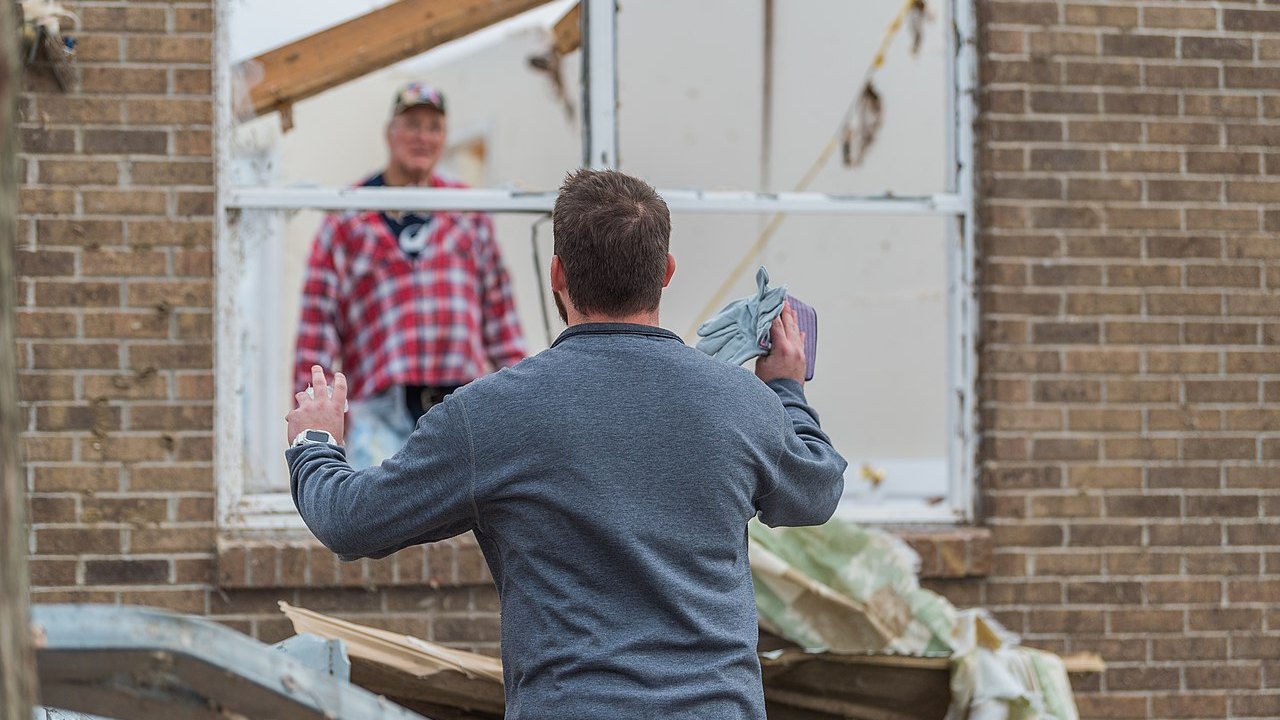
After a storm, older neighbors may be dealing with power loss, heat or cold, blocked driveways, spoiled food, dead phones, medical equipment, pets, or confusing updates.
The key is to help without taking over. Respect privacy, stay within your ability, and call professionals for urgent medical, electrical, gas, or structural dangers.
This guide keeps the advice calm and practical. It is meant for regular households, renters, families, pet owners, and neighbors who want a workable plan without panic buying or fear-based language.
For a stronger plan, pair this guide with our use a homeowner storm prep checklist, organize emergency documents, and check on older neighbors after a storm. Preparedness works best when the food, light, phone, document, pet, and neighbor-check pieces support each other.
Start with the safest first move
Checking on elderly neighbors after a storm is easier when the first step is boring and clear. Pause, look for immediate hazards, and avoid creating a second problem while trying to solve the first one.
First checks
- Make sure people and pets are safe before sorting supplies.
- Check local alerts or utility information when service is available.
- Avoid downed lines, floodwater, gas smells, and unsafe heat sources.
- Write down important times, temperatures, or instructions.
A calm first move protects the rest of the plan.
Build the plan around respectful contact, power, water, medications, phones, and urgent help
The best checking on elderly neighbors after a storm plan fits the way your household actually works. A renter, a homeowner, a person living alone, a family with pets, and someone caring for an older adult may need different details.
Practical planning points
- Store supplies where they will be used.
- Keep instructions simple enough to follow when tired.
- Assign a person to the first important task.
- Review the plan before storm season and after real outages.
A usable plan beats a perfect plan that nobody remembers.
Keep communication simple
Communication can fail when phones die, networks slow down, or people keep calling each other for updates. Decide how the household will check in before everyone is stressed.
Communication checklist
- Use text messages when networks are busy.
- Save phone battery for alerts, maps, and urgent calls.
- Write important numbers on paper.
- Choose a backup contact outside the affected area if helpful.
Short, planned updates reduce confusion and save battery.
Think through night, pets, and special needs
Many checklists fail because they imagine a calm afternoon. Real outages and storms often happen at night, with pets underfoot, tired people, medication schedules, and dark hallways.
Often-forgotten details
- Set lights near beds, bathrooms, and stairs.
- Keep pet leashes, carriers, and food easy to reach.
- Know which medications or devices need power or refrigeration.
- Keep shoes and a flashlight near sleeping areas.
Planning for ordinary friction makes the whole setup safer.
Use official guidance for safety decisions
General advice can help you prepare, but official local instructions matter during active events. Weather, water, evacuation, shelter, and food safety guidance can change by location.
Where to verify
- Local emergency management alerts.
- Utility outage maps and restoration notices.
- National Weather Service alerts.
- CDC, Ready.gov, EPA, FDA, USDA, AVMA, or local health department guidance when relevant.
Use this guide as a practical checklist, then confirm safety details with the officials responsible for your area.
Reset after the event
The final step in checking on elderly neighbors after a storm is a short reset. Replace what you used, write down what failed, and make the next event easier.
Reset tasks
- Recharge phones, power banks, lights, and radios.
- Replace food, water, batteries, and pet supplies.
- Update notes, contacts, and documents.
- Fix one weak spot while the lesson is fresh.
Preparedness improves fastest right after you learn what did not work.
Simple mistakes to avoid
Most preparedness gaps are ordinary. People store supplies where they cannot reach them, forget to charge the thing they planned to use, or skip official guidance because they are tired.
- Waiting until conditions are unsafe before starting simple tasks.
- Depending on one phone flashlight or one uncharged power bank.
- Ignoring pets, medications, older adults, or special household needs.
- Opening refrigerators, freezers, coolers, or doors repeatedly without a plan.
- Treating a generic checklist as more important than local official instructions.
Official guidance to compare with your plan
For official preparedness guidance for older adults, review Ready.gov older adults guidance.
Ask practical questions without taking over
A good neighbor check is respectful and specific. Start with a simple call, text, or knock if conditions are safe. Ask whether they have power, water, a charged phone, food that stayed safe, needed medication, working heat or cooling, and a way to receive local alerts. If they have pets, ask whether the pets have food, water, and a safe area.
Offer specific help instead of a vague ?let me know.? You might bring bottled water, share a charged power bank, help report an outage, move a small branch from a walkway if it is safe, or call a family member. Do not enter the home, photograph damage, or share personal details unless they clearly want that help.
Know when neighbor help is not enough. Call emergency services for urgent medical issues, carbon monoxide alarms, gas smells, downed wires, dangerous heat or cold, structural damage, or powered medical equipment that cannot run. Being helpful also means knowing when trained responders are needed.
Build the neighbor connection before bad weather
The easiest post-storm check is the one that does not feel awkward. On a normal day, introduce yourself, exchange phone numbers if they are comfortable, and ask whether they have a preferred emergency contact. Do not pressure anyone for personal details. Just make it easier to check in later.
You can also share public resources before storm season: local alert sign-ups, cooling center information, utility outage reporting, transportation options, and nearby shelter updates. If several neighbors want to help, keep the plan simple and respectful. The goal is a safer block, not a neighborhood surveillance system.
Coordinate without crowding
If several neighbors want to help, coordinate lightly so one person is not overwhelmed by repeated knocks. One neighbor can check by phone, another can offer a power bank, and another can share local updates. Keep communication respectful and private. If the person says they are fine, accept that unless there is an obvious urgent danger. Good community support should make an older neighbor feel safer, not watched or managed.
Local notes to add
Before you rely on this guide during a real problem, add two local details: where official updates come from in your area and who you would contact first if the situation changes. That might be your utility outage map, local emergency management office, water provider, county alerts, veterinarian, pharmacy, landlord, or a nearby family member. Preparedness gets stronger when general advice is connected to the exact services, people, and rules that apply where you live.
Final readiness check
Take five minutes to test this plan in the real place where you will use it. Check the shelf, drawer, cooler, charger, document folder, pet kit, or light source mentioned in this guide. If one item is missing, fix that one item now instead of turning the plan into a long shopping list.
Conclusion
A useful plan is one you can repeat when the lights are out, the weather is loud, or everyone is tired. Keep the steps simple, store supplies where they make sense, and review the plan after each real event so the next one is easier.