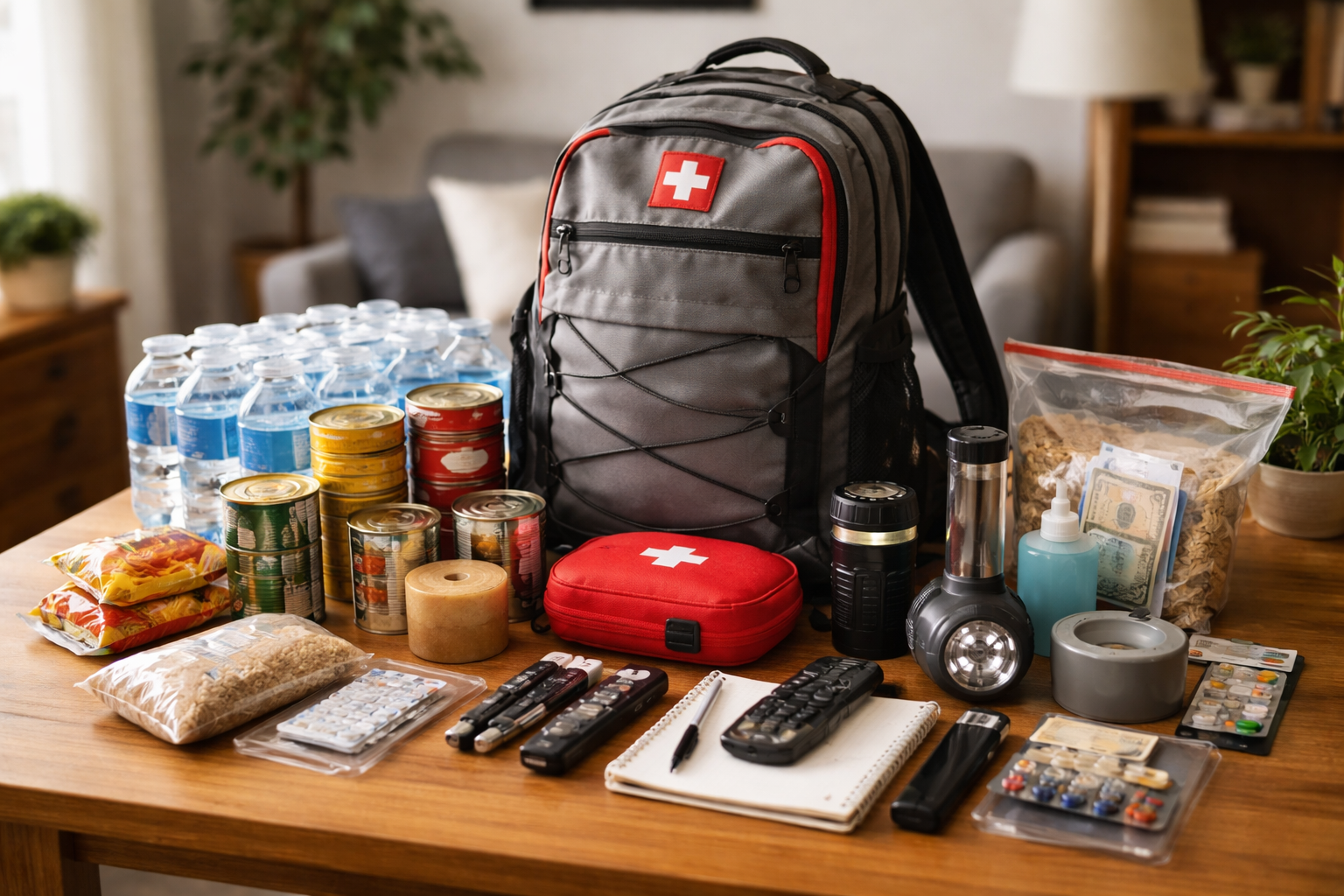
By me, for people who want real security without wrecking their budget.
When people talk about “being prepared,” I think a lot of us picture expensive survival kits, giant garage shelves, and shopping carts full of gear. That image can make preparedness feel like something only people with extra money can do. I do not think that is true at all. The current guidance from Ready.gov is actually very clear: preparedness can start with low- and no-cost steps, and people can build an emergency kit over time using items they may already have at home. FEMA and Ready.gov also keep stressing the same core idea—make a plan, build a kit gradually, and focus first on the supplies that help you get through several days after a disaster.
That matters to me because money is not just a side issue here. For many families, money is the whole issue. If preparedness advice sounds like “go spend hundreds of dollars this weekend,” a lot of people will simply tune out. But if the advice is “start with water, documents, medications, flashlights, and a plan,” suddenly it becomes possible. Ready.gov’s low-cost preparedness page specifically says to use what you have, set aside a little bit of money over time, and build supplies gradually instead of trying to do everything at once.
The first money-saving rule is to stop thinking in all-or-nothing terms
I think one of the biggest mistakes people make is assuming they are either “prepared” or “not prepared,” with nothing in between. Real preparedness does not work that way. It is more like layers. Maybe this month I store some water and print important phone numbers. Next month I add a flashlight and batteries. After that I build a simple food backup, gather copies of documents, and make a family communication plan. That is not fake preparedness. That is exactly how many households should do it when money is tight. Ready.gov explicitly recommends building a supply kit over time, and FEMA’s materials say the goal is to have what you need to survive on your own for several days.
This is why I think cheap preparedness starts in the mind before it starts in the cart. I do not need to “finish” preparedness in one day. I need to make steady progress. A family that slowly builds a dependable, boring emergency setup is in a much stronger position than a family that waits forever because they cannot afford the fantasy version. That is the core mindset shift that makes budget preparedness real. This is an inference from the federal guidance encouraging gradual kit-building and low-cost planning.
Water should come before almost everything else
If I were helping somebody get more prepared on a tight budget, I would start with water immediately. CDC says people should store at least 1 gallon of water per person per day for 3 days, and try to store a 2-week supply if possible. FEMA’s kit guidance and Ready.gov say essentially the same thing for basic emergency planning.
What I like about water storage is that it can be done in a very ordinary way. This is not a luxury-hobby purchase. It is a practical household habit. Clean containers, store-bought bottled water, and a simple rotation system can go a long way. For people on a budget, that means preparedness can begin with one of the most important supplies in the entire house and it does not have to involve fancy gear. CDC also notes that some households may need more water, including people who are pregnant, sick, living in hot climates, or caring for pets.
I also think budget-minded families should learn a backup water safety method, because knowledge is cheaper than gear. CDC warns that during emergencies you may not have safe tap water, and EPA says boiling is a reliable emergency method when bottled water is not available. EPA’s guidance says to bring water to a rolling boil for at least one minute, or three minutes above 5,000 feet. That is the kind of low-cost preparedness step I love: it turns information into resilience.
Food preparedness does not mean buying special “survival food”
This is another place where people can save a lot of money by ignoring marketing. The most budget-friendly preparedness food is usually not freeze-dried novelty meals. It is shelf-stable food you already eat and know how to use. Ready.gov says emergency kits should include food, and the Red Cross says people should keep non-perishable, easy-to-prepare food in their supplies. CDC preparedness materials also mention keeping enough food for everyone in the home for about two weeks as a practical target for home readiness.
That means I do not need to act like I am stocking a spaceship. I can build preparedness into normal grocery habits. A few extra cans here, a little more peanut butter there, some shelf-stable milk, crackers, beans, rice, oats, pasta, or soup—those are ordinary purchases, not dramatic ones. For people living paycheck to paycheck, one of the smartest approaches is just buying one or two extra durable items each shopping trip and rotating them into normal meals. That approach lines up with Ready.gov’s “build over time” guidance.
What matters most is not whether the food looks “survival-ish.” What matters is whether it is affordable, edible, and easy to use if the power is out or you cannot get to the store. Budget preparedness works best when it blends into regular life.
Your plan may save more money than any gear purchase
One of the cheapest preparedness upgrades in the world is a written plan. Ready.gov says families should make a plan for how they will communicate, where they will meet, and what they will do in different emergencies. FEMA’s “Are You Ready?” guide also points people toward family planning, emergency contacts, and document organization.
I think this matters because planning solves problems before money has to. If I know where we will meet after a fire, who the out-of-town contact is, how to shut off utilities if necessary, and what to grab if we must leave fast, I have reduced confusion without spending much at all. A lot of budget preparedness is like that. It is not about replacing planning with purchases. It is about making purchases support a smart plan. This conclusion follows directly from Ready.gov and FEMA putting planning right alongside kit-building, not after it.
I would also say this: a household plan needs to match the real household. A family with small kids has different needs than a single adult. A person caring for an older parent has different needs than a college student. A person using home medical devices needs to think seriously about power loss and backup options. CDC specifically notes that outages can be life-threatening for people who depend on home-use medical devices.
Documents are a form of preparedness that people forget
When budgets are tight, I think it is especially important not to overlook the “paper side” of preparedness. Ready.gov’s financial preparedness guidance recommends the Emergency Financial First Aid Kit (EFFAK), which helps people gather and organize important documents and financial information before a disaster. FEMA’s EFFAK materials say the kit is available free and is designed to help people protect financial stability after emergencies.
This is huge for regular people. If I had to leave home suddenly, it would matter a lot whether I could quickly access ID, insurance information, medication lists, bank and benefit details, and contact numbers. Replacing lost documents can cost time, money, and stress right when a family has the least of all three. So one of the smartest low-cost preparedness moves is simply printing or organizing copies of important records and putting them in a safe, easy-to-grab place. Ready.gov and FEMA both emphasize that this is part of preparedness, not a separate finance chore.
To me, this is a perfect example of living more prepared on less money. It costs little, but it can save a lot.
Light, batteries, and a radio are more useful than flashy gadgets
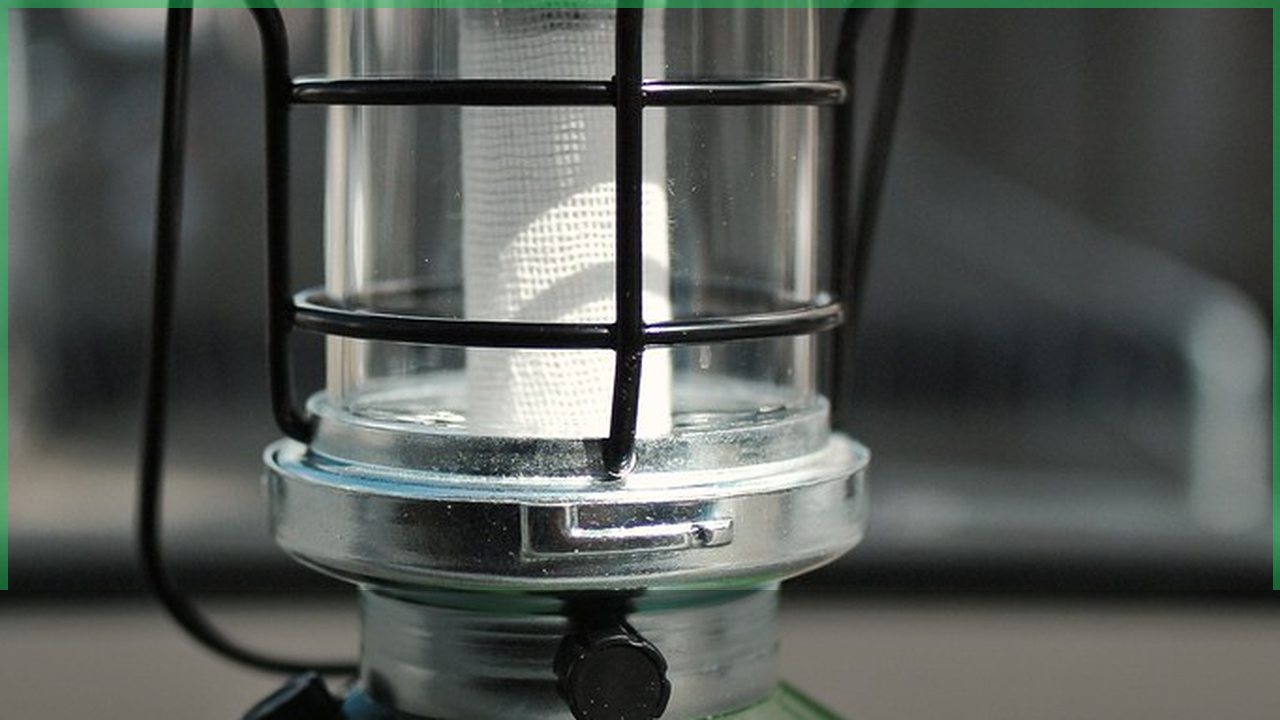
If I lost power tonight, I would care a lot more about a working flashlight than about most of the “cool” preparedness items sold online. Ready.gov lists flashlights and batteries as basic kit supplies, and the Red Cross recommends a battery-powered or hand-crank radio as well. A NOAA weather radio can be especially useful when phones are dead, charging is limited, or internet service is unreliable.
For a budget-conscious family, this is good news. These are not dream purchases. They are manageable, practical, and available in stages. One decent flashlight is better than a drawer full of dead junk lights. One radio that everyone knows how to use is better than a pile of half-tested tech. Budget preparedness is about fewer, better, more dependable basics. This principle is consistent with the core emergency kit lists from Ready.gov and the Red Cross.
I also think charging plans matter more now than they used to. Even if a household cannot afford big backup power gear, it can still do simple things like keeping phones topped off during bad weather, storing charging cords together, and treating communication devices as essential tools during an outage. That fits with Ready.gov’s strong focus on planning for outages and communication failures.
Home safety is part of preparedness, and it can be very affordable
Some of the best preparedness improvements are not “disaster gear” at all. They are home safety basics. NFPA says working smoke alarms cut the risk of dying in a home fire by 60 percent. NFPA also says smoke alarms should be installed in every sleeping room, outside each separate sleeping area, and on every level of the home.
I think that means preparedness on a budget should absolutely include checking smoke alarms, changing batteries as needed, and making a fire escape plan. Those steps are cheap compared with the risks they address. They also help with one of the most common emergencies families actually face: home fire. NFPA’s escape planning guidance says families should identify two ways out of every room and practice the plan together.
This matters especially because emergency preparedness is often sold as something about rare, giant disasters. But regular life contains more ordinary dangers too. A family can become more prepared without buying a single camouflage item. Working smoke alarms, an escape plan, and safer home habits may matter more than most specialty purchases ever will.
Carbon monoxide preparedness is low-cost and high-impact
Another budget-friendly preparedness step that matters a lot is carbon monoxide safety. Ready.gov’s current outage guidance says people should install carbon monoxide detectors with battery backup in central locations on every level of the home. CDC warns that generators must never be used inside a home or garage, even with doors and windows open, and should only be used outdoors more than 20 feet away from windows, doors, and vents.
This is one of those areas where knowledge can save lives without costing much. A lot of disaster-related carbon monoxide poisonings happen after outages when people use generators, grills, or fuel-burning devices unsafely. CDC’s disaster-related CO materials say this kind of exposure often happens when generators or charcoal grills are used indoors or too close to living spaces.
So if I am trying to live more prepared on less money, I want my budget to cover the really important warning devices and my habits to cover the rest. Preparedness is not just owning equipment. It is knowing how not to turn your emergency plan into a second emergency.
A first aid kit can be built slowly and cheaply
A lot of people assume they need a deluxe first aid kit in a fancy case. That is not really the point. The Red Cross says first aid kits can be bought or made at home, and they should be checked regularly so used or expired items can be replaced.
That is encouraging because it means a budget household can build a workable kit piece by piece. Bandages, gauze, adhesive tape, gloves, basic wound care supplies, and household-specific medication needs can be collected over time. What matters is whether the supplies are there when needed and whether the household knows where they are. This is another example of the larger rule: preparedness gets more affordable when I stop shopping for identity and start building function. The Red Cross guidance supports that practical, do-it-yourself approach.
I would also add medications to this category. The Red Cross includes medications in emergency kit guidance, and FEMA’s planning materials emphasize household-specific needs. For people on tight budgets, that may mean simply keeping an extra cushion of critical prescriptions when possible and maintaining a written list of medicines, dosages, doctors, and pharmacies.
Prepare for outages in ways that do not require a generator
Generators get a lot of attention, but I do not think every budget household should rush out and buy one. A family can become much better prepared for outages without taking on that expense right away. Ready.gov’s power outage page emphasizes battery-backup CO detectors, charged phones and devices, and knowing how to stay safe without power. CDC says never to use a gas stove or oven to heat the home, and never to run gasoline-powered equipment indoors.
That tells me the budget approach to outage preparedness should start with safer, simpler layers: flashlights, batteries, blankets, shelf-stable food, stored water, phone charging habits, medications, and a place to go if conditions become too hot or cold. CDC’s guidance for power sources also says outages can be especially dangerous for people who depend on powered medical equipment, so those households may need stronger planning around backup options and alternate shelter.
I think this is a helpful way to keep preparedness honest. Not every household needs the same level of equipment, but every household needs a realistic plan.
The cheapest preparedness tool may be a notebook
This sounds almost silly, but I think a plain notebook can be one of the best low-cost preparedness items in a home. It can hold emergency numbers, medication lists, insurance details, school contacts, pet information, evacuation notes, meeting points, and reminders about where supplies are stored. That idea matches FEMA and Ready.gov’s strong emphasis on communication plans and financial/document readiness.
Why does that matter? Because emergencies are messy. Phones die. People forget things. Stress makes memory worse. A notebook or printed binder does not need Wi-Fi, a password, or a battery. For families watching every dollar, that is exactly the kind of preparedness investment I like: cheap, practical, and helpful in many different situations.
Pets count too, even on a tight budget
Preparedness gets unrealistic fast when it ignores pets. Ready.gov says families should prepare pets for disasters and build a pet emergency kit. USDA also recommends supplies such as food, water, medications, bowls, records, carriers or leashes, and current photos.
For a budget household, that does not have to mean buying an entire second lifestyle. It can mean setting aside a little extra pet food, keeping vaccination and vet records together, making sure a crate or leash is easy to grab, and storing a few days of pet supplies with the rest of the household kit. That is affordable preparedness because it builds on things you already need for daily life.
The smartest budget trick is to prepare for your real risks, not every possible risk
I think this is where people can save the most money. Not every household needs the same gear. A family in a hurricane zone, a person in wildfire country, a renter in a city apartment, and a household in blizzard country are not preparing for exactly the same problems. Ready.gov organizes preparedness by hazard type for a reason.
So instead of spending money like I need to survive every disaster on Earth, I would rather ask a few practical questions. Do I mainly need outage readiness? Flood readiness? Winter warmth? Evacuation planning? Medication backup? Safer home fire protection? Once those answers are clear, the budget becomes easier to aim. This is an inference from Ready.gov’s hazard-specific planning structure and its emphasis on tailoring preparedness to household needs.
What I would do first if money were very tight
If I were starting almost from zero, I would do this in order. First, I would make a basic household plan and write down emergency contacts. Second, I would organize important documents using FEMA’s financial preparedness guidance. Third, I would begin storing water. Fourth, I would build up shelf-stable food gradually. Fifth, I would make sure the home had working smoke alarms and a fire escape plan. Sixth, I would get at least one dependable flashlight, extra batteries, and a radio. Seventh, I would gather medications, first aid basics, hygiene items, and pet supplies if needed. Every step in that list is strongly grounded in current guidance from Ready.gov, FEMA, CDC, NFPA, and the Red Cross.
What I would not do first is spend big money trying to look prepared. I would not start with expensive specialty food, giant survival kits, or gear I do not know how to use. Budget preparedness works best when it is ordinary, steady, and a little bit boring.
The goal is not to feel scared. It is to feel less fragile.
That may be the biggest lesson for me. Living more prepared on less money is not about panic-buying. It is about lowering everyday fragility. It is about making sure a short outage, a water problem, an evacuation, or a few days cut off from normal routines does not immediately become a crisis. Ready.gov’s low-cost preparedness message, FEMA’s financial readiness tools, CDC’s water guidance, and NFPA’s home fire safety advice all point in that same direction: practical readiness matters more than dramatic shopping.
I think that is good news for normal people. I do not need to be rich to become harder to knock over. I need a plan, some basics, a little discipline, and the patience to build preparedness over time. That is not glamorous. But it is real. And for most households, real beats glamorous every single time.
Related SurviveHack guides
Keep building your practical plan with keep food cold during a power outage and what to do when the power goes out at night. These internal links make it easier to move from one emergency task to the next without hunting through the site.
Official guidance note
For safety-sensitive decisions, compare this guide with Ready.gov emergency kit guidance and local instructions for your area. SurviveHack articles are practical informational guides, not a replacement for emergency, medical, legal, or public safety direction.