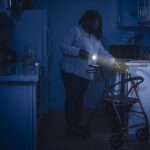
A summer power outage can turn uncomfortable fast. Losing lights is annoying. Losing air conditioning during a heat wave can become dangerous, especially if the outage lasts for hours, happens overnight, or affects people who are more vulnerable to heat.
The mistake a lot of people make is treating a summer blackout like a minor inconvenience. They sit around waiting for the power to come back, keep opening the fridge, waste phone battery, ignore the indoor temperature, and then wonder why everyone feels awful.
Heat is not something to play with. A hot house can become unsafe, especially for babies, older adults, people with medical conditions, pets, and anyone without good airflow or a cooler place to go.
Staying cool during a summer power outage is about slowing heat buildup, keeping your body temperature down, staying hydrated, using shade and airflow wisely, and knowing when the house is no longer safe.
Start by Keeping Heat Out
The first thing to do during a summer power outage is block heat from coming in.
Close blinds, curtains, and shades, especially on windows getting direct sunlight. Sunlight pouring through glass can heat a room quickly. If you have blackout curtains, use them. If not, even regular curtains, sheets, towels, cardboard, or reflective window coverings can help reduce heat.
Keep exterior doors closed as much as possible. Do not keep going in and out unless you need to. Every open door lets hot air in and cooler indoor air out.
If one side of the house gets blasted by sun, avoid that area. Move to the coolest part of the home, usually a lower level, shaded room, basement, or interior room with fewer windows.
The goal is not to make the house cold. During a power outage, that may not be possible. The goal is to slow the temperature rise and protect your body from overheating.
Choose the Coolest Room in the House
Do not spread everyone out across the hottest rooms.
Pick one area where the household can stay together and manage supplies. In many homes, the coolest room will be on the lowest floor, away from direct sun, and away from large windows. If you have a basement and it is safe, that may be the best option.
Move what you need into that area:
Water
Electrolyte drinks if available
Snacks
Flashlights
Phone chargers and power banks
Medication
Pet supplies
Battery fans
Damp towels
A first aid kit
Do this early before the house gets miserable. Moving around later in extreme heat is harder and more draining.
Use Battery Fans the Smart Way
Battery-powered fans can help, but they are not magic.
A fan does not lower the room temperature. It helps your body feel cooler by moving air across your skin and helping sweat evaporate. That can be useful, but only if you are also staying hydrated and the indoor temperature is not dangerously high.
Use fans close to people, not across empty rooms. Aim them where they actually help. If you only have one or two battery fans, prioritize babies, older adults, people with medical issues, and anyone showing signs of heat stress.
If the air is extremely hot, a fan may not be enough. Do not let a fan give you a false sense of safety while the room keeps getting hotter.
Stay Hydrated Before You Feel Awful
Drink water regularly. Do not wait until you feel dizzy, weak, or overheated.
Heat makes your body lose fluid through sweat. During a summer outage, people often forget to drink because they are distracted, stressed, or trying not to use supplies too fast. That is a bad trade.
Keep water in the room where everyone is staying. If you have electrolyte drinks, oral rehydration solution, or sports drinks, they may help if people are sweating heavily. But plain water is still the basic priority.
Avoid drinking a lot of alcohol during a hot outage. It can make dehydration worse and impair judgment. Also be careful with too much caffeine if you are already dehydrated.
Pets need water too. Keep bowls filled and move them to a cooler area with the family.
Cool Your Body, Not the Whole House
When the power is out, trying to cool the whole house is usually a losing battle.
Focus on cooling people directly.
Use cool damp cloths on the neck, wrists, forehead, and underarms. Take a cool shower if water service is working. Sit with your feet in cool water. Wear loose, lightweight clothing. Remove unnecessary layers.
If you have ice or cold packs, wrap them in a towel before placing them on skin. Do not put ice directly on skin for long periods.
A damp towel and a battery fan can help you feel cooler. Again, it will not fix a dangerously hot room, but it can help in moderate heat.
Avoid Cooking Indoors
Cooking adds heat to the house. During a summer power outage, that is the last thing you need.
Do not use the oven. Avoid long stovetop cooking if you still have gas. If you must prepare food, choose items that do not need heat:
Crackers
Peanut butter
Canned tuna or chicken
Shelf-stable meals
Granola bars
Fruit cups
Applesauce
Trail mix
Bread
Cereal
Shelf-stable milk
If you cook outside on a grill or camp stove, keep it outside and away from doors, windows, vents, garages, and enclosed spaces. Outdoor cooking equipment does not belong inside the house.
That is not just about heat. It is also about carbon monoxide and fire risk.
Keep the Fridge and Freezer Closed
A summer outage can ruin food quickly if you keep opening the refrigerator.
Keep fridge and freezer doors closed as much as possible. A closed refrigerator can usually keep food cold for about 4 hours. A full freezer can hold temperature longer than a half-full freezer if the door stays closed.
Do not stand there with the door open trying to decide what to eat. Know what you need before opening it, grab it fast, and close it.
If you have a cooler and ice, move drinks or frequently used items into the cooler so the refrigerator stays closed longer.
When food has been above safe temperatures too long, do not gamble. Throwing away food hurts. Food poisoning during a hot power outage is worse.
Dress for Heat, Not Modesty or Habit
During a summer outage, wear light, loose, breathable clothing.
Do not sit around in jeans, thick socks, heavy pajamas, or dark layers just because that is what you had on when the power went out. Change into something cooler.
Lightweight cotton or moisture-wicking clothing can help. Bare feet or sandals may feel better indoors if the floor is safe. Tie back long hair. Remove heavy accessories or hats unless they are helping with sun protection outside.
This is basic, but people ignore basic things when they are stressed.
Avoid Unnecessary Movement
The more you move, the more body heat you create.
Do not start deep-cleaning the house, reorganizing supplies, or pacing around in frustration. Handle urgent tasks early, then slow down.
If you need to move heavy items, check on neighbors, secure outdoor property, or deal with storm damage, do it carefully and take breaks. Work during the cooler parts of the day if possible.
Heat exhaustion can sneak up on people who think they are “just getting things done.”
Know the Signs of Heat Exhaustion and Heat Stroke
This is the section people cannot afford to skim.
Signs of heat exhaustion may include heavy sweating, weakness, dizziness, headache, nausea, muscle cramps, cool or clammy skin, fast pulse, or feeling faint.
Heat stroke is more serious and can be life-threatening. Warning signs may include confusion, passing out, very high body temperature, hot skin, rapid pulse, or behavior that seems unusual or alarming.
If someone seems confused, stops sweating in dangerous heat, collapses, or cannot cool down, treat it as serious. Call emergency services if needed and move them to a cooler place immediately.
Do not tell people to “tough it out.” That is how emergencies get worse.
Protect Babies, Older Adults, and Vulnerable People First
Some people are at higher risk during extreme heat.
Babies cannot regulate temperature as well as adults. Older adults may not feel heat the same way or may be more affected by medications or health conditions. People with heart problems, breathing problems, mobility issues, or certain medical needs may struggle faster than everyone else.
Check on them often. Make sure they are drinking fluids, staying in the coolest area, wearing light clothing, and not showing signs of heat stress.
Do not assume someone is fine because they are quiet. Heat can make people tired, confused, irritable, or weak.
If your home keeps getting hotter and someone vulnerable is inside, leave before the situation gets dangerous.
Keep Pets Cool
Pets can overheat too.
Move pets into the coolest part of the home. Give them plenty of water. Keep them off hot floors if possible. Do not leave them in garages, sunrooms, cars, sheds, or outdoor spaces where heat can build up.
Dogs with short noses, senior pets, puppies, overweight pets, and animals with health problems can struggle more in heat. Heavy-coated pets may need extra attention.
If your pet is panting heavily, acting weak, drooling excessively, vomiting, collapsing, or acting confused, that can be a serious problem. Get veterinary help if needed.
Do not assume pets are fine because animals “handle heat.” Many do not.
Use the Car Carefully
A car can provide air conditioning if it has fuel and can be used safely, but do not be careless.
Never run a vehicle in a garage or enclosed space. Carbon monoxide can build up and become deadly.
If you sit in the car briefly to cool down, the car must be outside with the exhaust clear. Do not waste fuel for no reason, and do not sit in a running vehicle so long that you lose track of safety.
Never leave children, pets, older adults, or anyone vulnerable alone in a parked car. A vehicle can heat up quickly when the AC is off.
If your house is getting dangerously hot, using the car to reach a cooling center, family member’s home, hotel, public building, or safe air-conditioned place may be smarter than trying to wait it out.
Check for Cooling Centers
During major heat events or widespread outages, some communities open cooling centers.
These may be located in libraries, community centers, schools, churches, shelters, or other public buildings. Check local emergency management updates, city/county pages, local news, utility updates, or official social media accounts if your phone still has service.
Do this before everyone is overheated and miserable. If you know the house is getting too hot, start looking for options early.
Waiting too long is the common mistake.
Keep Phones Charged and Useful
Your phone matters during a summer outage.
It helps you check weather updates, utility restoration estimates, cooling center locations, emergency alerts, and family messages.
Do not waste battery on scrolling, streaming, games, or constant refreshing. Turn on battery saver. Lower screen brightness. Close unused apps. Text instead of calling when possible.
If you have power banks, use them carefully. Keep one charged if possible for emergencies.
A dead phone in a hot outage is not just annoying. It can cut you off from important information.
Sleep Low and Cool
Summer outages often feel worse at night because sleeping in a hot house is miserable.
Heat rises, so lower levels may be cooler. If it is safe, sleep on a lower floor instead of an upstairs bedroom. Use lightweight sheets instead of heavy blankets. Wear light sleep clothing.
If outdoor temperatures drop at night and it is safe to do so, you may be able to open windows for airflow. But be smart. Do not compromise home security or let in heavy humidity if it makes conditions worse. Close windows again when outdoor air starts warming up.
A battery fan near your sleeping area can help, but conserve batteries if the outage may last.
Be Careful With Windows
Opening windows is not always the right answer.
If it is hotter outside than inside, opening windows can bring more heat in. If outdoor air cools down at night, opening windows may help. If the air outside is humid and stagnant, it may not help much.
Use common sense:
Keep windows covered during direct sun.
Open windows only when outdoor air is cooler.
Create cross-ventilation if there is a breeze.
Close windows again when heat rises.
Think about safety and security before leaving windows open overnight.
The goal is controlled airflow, not just opening everything and hoping.
Do Not Ignore Local Warnings
If officials issue heat advisories, excessive heat warnings, boil water notices, evacuation guidance, or cooling center information, pay attention.
A summer outage during extreme heat is not the same as a mild-weather outage. Conditions can become serious quickly.
Local officials may know about extended outage estimates, road closures, shelter openings, water problems, or emergency services. Follow official updates instead of relying only on neighborhood rumors.
When You Should Leave
Leaving is not overreacting if the house is becoming unsafe.
You should consider leaving if:
The indoor temperature keeps rising
Someone is dizzy, confused, weak, or nauseated
Babies, older adults, or medically vulnerable people are inside
Pets are showing signs of heat stress
You have no airflow or cooling options
You are running low on water
Phones are dying and you cannot get updates
The outage is expected to last many more hours
A cooling center or safer place is available
Go to a relative’s house, friend’s house, hotel, cooling center, public building, or shelter if available.
Do not wait until everyone is miserable and thinking badly. Heat makes people make dumb decisions.
What Not to Do During a Summer Power Outage
Do not keep opening the fridge.
Do not cook indoors and heat up the house.
Do not ignore signs of heat exhaustion.
Do not leave pets outside in dangerous heat.
Do not sit in a running car inside a garage.
Do not waste phone battery.
Do not assume fans are enough in extreme heat.
Do not drink alcohol and call it hydration.
Do not keep windows open when it is hotter outside than inside.
Do not wait too long to go somewhere cooler.
Most summer outage problems get worse because people delay, guess, or underestimate heat.
Simple Summer Power Outage Cooling Checklist
Before summer storms or outages, have:
Bottled water
Electrolyte drinks or oral rehydration packets
Battery fans
Extra batteries
Power banks
Lightweight clothing
Flashlights or lanterns
Coolers
Ice packs or frozen water bottles
Shelf-stable food
Pet water and supplies
Medication
A list of cooling centers or backup places to go
During the outage:
Close curtains and blinds
Move to the coolest room
Drink water regularly
Use damp cloths
Avoid cooking indoors
Keep fridge and freezer closed
Use fans wisely
Check on vulnerable people
Keep pets cool
Save phone battery
Leave if the house becomes unsafe
The Bottom Line
A summer power outage is not just about sitting in the dark. It can become a heat problem fast.
The safest plan is to keep heat out, move to the coolest part of the home, drink water, cool your body directly, avoid adding heat indoors, protect vulnerable people and pets, and leave if the house becomes unsafe.
You do not need to panic. But you do need to take heat seriously.
Power outages are uncomfortable. Heat emergencies are dangerous. Know the difference, and act before the situation gets out of control.
Helpful Official Resources
Ready.gov: Power Outages
Use this for general outage planning, emergency supplies, generator safety, and household preparedness.
https://www.ready.gov/power-outages
Ready.gov: Extreme Heat
Use this for heat safety, cooling tips, and preparation before hot weather emergencies.
https://www.ready.gov/heat
CDC: Heat and Your Health
Use this for heat-related illness, warning signs, and safety guidance during extreme temperatures.
https://www.cdc.gov/heat-health/
CDC: What to Do During a Power Outage
Use this for generator safety, carbon monoxide warnings, food safety, and outage guidance.
https://www.cdc.gov/natural-disasters/response/what-to-do-protect-yourself-during-a-power-outage.html
American Red Cross: Heat Wave Safety
Use this for staying safe during extreme heat, checking on vulnerable people, and recognizing heat illness.
https://www.redcross.org/get-help/how-to-prepare-for-emergencies/types-of-emergencies/heat-wave-safety.html