
The important sound during a storm is not the sump pump motor starting. It is water leaving the pit and reaching a safe discharge point. A motor can run against a blockage, a float can hang up, and a battery box can sit beside the pump without providing working backup protection. Preparation means checking the entire water-removal path.
Do that work while the basement is dry and there is time to arrange service. Once rising water reaches electrical equipment, the task changes from maintaining a pump to keeping people away from an electrical hazard. An outage plan should make that boundary obvious before anyone heads downstairs with a flashlight.
Identify what your existing backup actually backs up
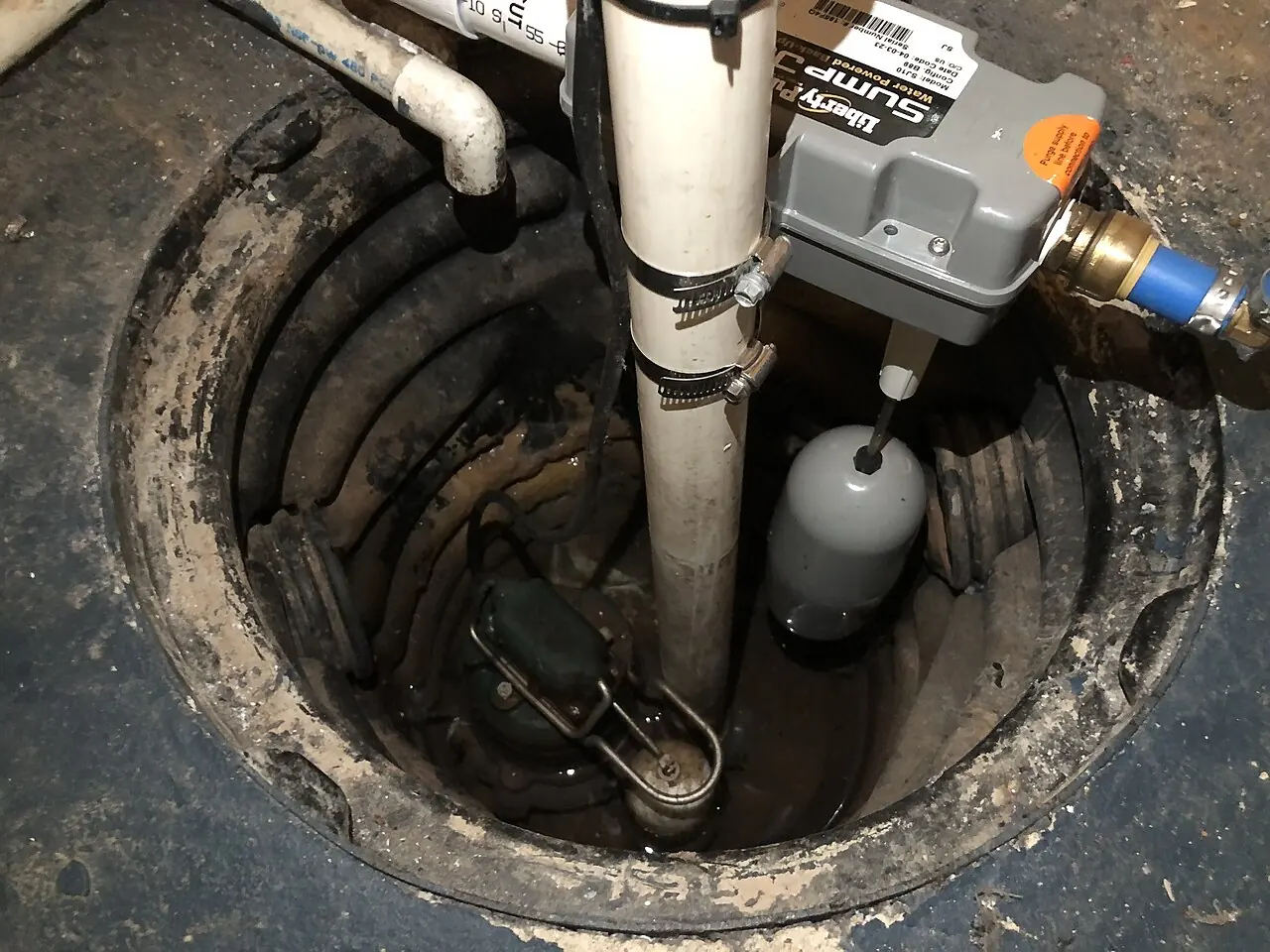
Write down the primary pump model, backup model if present, battery type, controller, and alarm arrangement. Locate their manuals and record the installation dates you can establish. Do not assume a second cord means a second pump, or that a green charging light proves the battery can operate under load.
The Government of Canada's sump-pump guidance distinguishes an alternate power source from a backup pump. A second pump supplied only by the same failed household power source will not solve an outage. Likewise, supplying battery power to a failed primary motor does not repair the motor.
For a house where the pit fills rapidly, that difference affects the service request. Ask whether the proposed arrangement covers power loss, primary-pump failure, or both. Also ask which components remain shared. Two pumps using a blocked common discharge are still unable to move water outside.
If you recently moved in, photograph labels rather than guessing from the previous owner's description. Ask a plumber to explain the system at the pit, identify what each indicator means, and demonstrate the approved test. A short handover is more useful than owning equipment whose outage behavior nobody understands.
Prove normal operation before testing failure
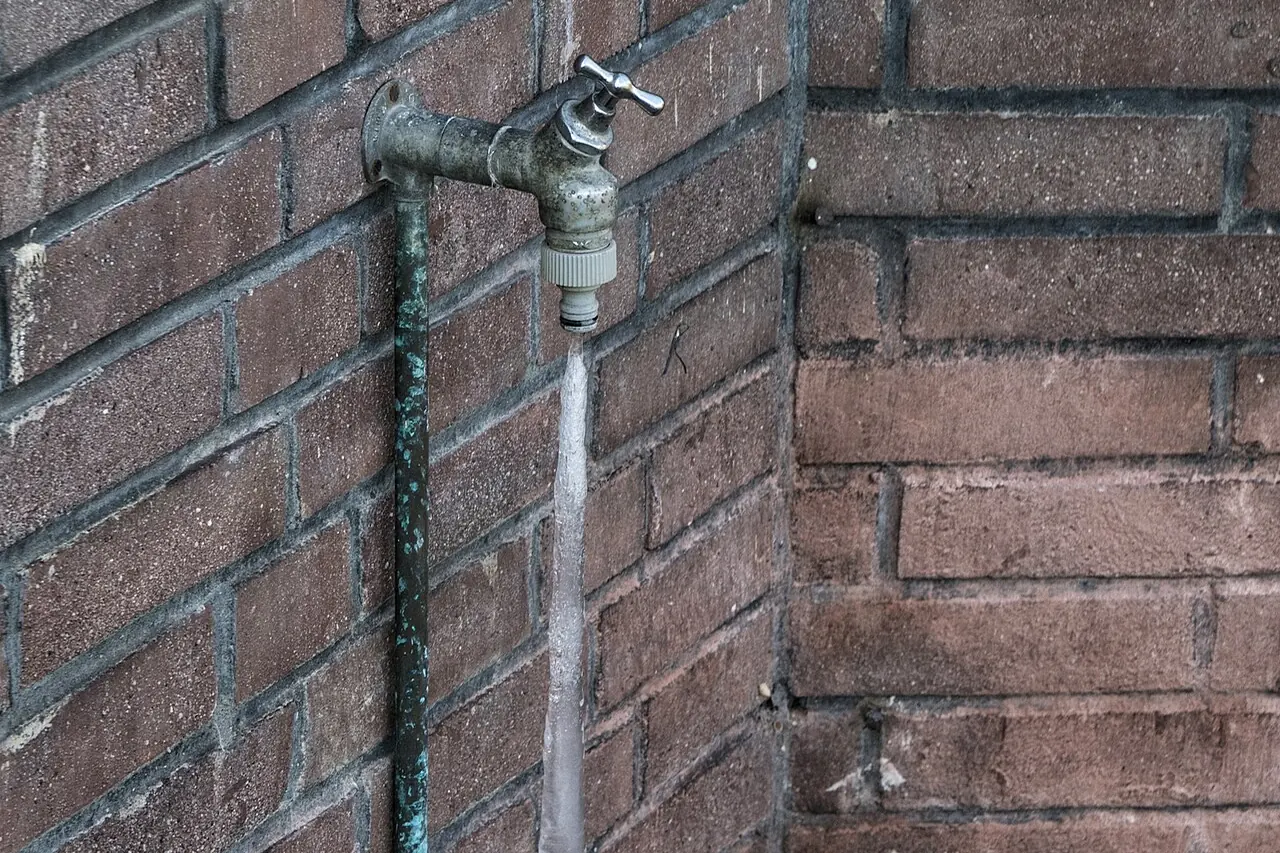
Begin outdoors, in safe weather. Find where the pump discharges and check for an obstructed opening, a crushed hose, accumulated debris, or ice. Do not disconnect an unfamiliar line or thaw it with a torch. A backup battery cannot compensate for a route that does not allow water to escape.
South Dakota State University Extension emphasizes checking the intake, float switch, pump operation, and discharge route. Where practical, it recommends discharging at least 20 feet from the home, away from neighbors, window wells, and septic drain fields. Have the route assessed for your site and local requirements rather than blindly adding hose length.
Before the water test, visually inspect the accessible pit and cord arrangement as the manual permits. Never reach into an energized pit. If cleaning requires contact with a pump or float, follow the manufacturer's procedure for isolating every power source, including backup batteries. A sealed lid or unfamiliar installation is a reason to use a professional.
Run a controlled water test, not just a motor check
North Dakota State University Extension describes testing by adding water until the float starts the pump. Follow your model's instructions, add water slowly, and observe from a dry position. Keep cords, outlets, and controls dry. Do not pour water onto electrical components or leave the filling unattended.
- Confirm that the outside discharge is open and that testing is permitted by the system manual.
- Add water to the basin gradually while watching the level and the float's unobstructed movement.
- Observe the pump start, lower the water level, and stop normally.
- Confirm actual discharge outdoors if you can do so safely, using a second person when helpful.
- Stop adding water if the pump does not start, the level keeps rising, or operation sounds abnormal.
A successful test moves water; a humming motor alone is not a pass. If the unit struggles, chatters, repeatedly restarts, or fails to draw the level down, record what happened and arrange service. Do not keep filling the basin to see whether the problem clears itself.
Match backup capacity to the installation
Bring the installer your observations from wet weather: how often the primary cycles, whether it ever runs continuously, and whether the water level rises despite pumping. These observations are not a sizing calculation, but they give the professional something better than the basement's square footage to work with.
Ask for pumping capacity at the installation's actual lift and discharge conditions, not just the largest number on a box. NDSU's Sump Pump Questions explains that pump performance is expressed as flow versus lifting height. A backup that cannot match incoming water at that operating point will eventually be overtaken even with a full battery.
Read runtime claims with their assumptions attached
Battery runtime depends on how much the pump runs, not simply how long the lights are out. For a specific example, Zoeller's Model 508 instructions list 5.5 hours of continuous operation with the recommended battery, versus two days at a 10 percent duty cycle. Those figures describe that equipment under stated conditions, not a promise for every basement.
Ask the installer to explain the expected protection under frequent cycling and sustained inflow. Get the battery model and replacement requirements in writing. Do not assume that a household computer UPS, spare vehicle battery, or portable power station is compatible because a plug fits. Have the equipment manufacturers and installer confirm the complete arrangement.
A realistic planning scenario is a pump that runs occasionally on ordinary rainy days but nearly continuously during snowmelt. A backup chosen around the ordinary day may not provide the time expected during the event that causes the outage. Plan for the demanding condition, and keep an alternative response available if protection is exhausted.
Test the outage response as a separate event
Use the backup manufacturer's exact procedure to simulate loss of normal AC power and establish that the backup starts and removes water. Designs differ: some use a separate pump, some support the existing pump, and controllers have different test modes. Pressing an alarm-test button may only prove that a buzzer works.
Do not improvise by disconnecting battery terminals, opening control boxes, changing float positions, or switching off unidentified circuits. If the manual is missing or the procedure is unclear, have the installer demonstrate it. Remain present throughout the test and stop before the water level threatens the rim.
Write down what you saw: backup started, water level fell, alarm sounded, and normal power and charging were restored afterward. Follow the manufacturer's test interval, with another check before a forecast period of heavy rain or thaw. A note that says only 'battery checked' leaves the most important question unanswered.
Give the battery and alarm their own jobs
Follow the specified battery chemistry, capacity, charging, ventilation, and service instructions. Do not mix components or open a sealed battery. Corrosion, swelling, leakage, an unexplained fault light, or a battery that will not hold charge needs qualified attention. Keep the designated battery enclosure and controller in the locations required by the installer and manual.
NDSU's battery-selection tips call for checking charge and corrosion every six months. Use that as a maintenance prompt alongside the current equipment instructions, not permission to work on exposed terminals. Record the battery's service date and any manufacturer replacement deadline.
An alarm buys attention, not pumping capacity. The National Flood Insurance Program recommends a water alarm and battery-operated backup pump. Test whether someone upstairs can hear the alarm. If notification uses Wi-Fi, find out what happens when the router, internet service, or household power is unavailable.
Assign a response person if the home is empty. They need access, contact information, and a clear instruction not to enter standing water. Move irreplaceable records and vulnerable stored items upstairs before the storm, rather than counting on an alert to leave enough time afterward.
If a generator is part of the plan, arrange it before rain arrives
Have a licensed electrician design any connection to household circuits and verify pump compatibility and starting requirements. Never backfeed through a wall outlet or bypass transfer equipment. Our article on what not to plug into a generator helps identify competing loads before an outage creates a rushed decision.
The EPA generator placement guidance calls for outdoor operation at least 20 feet from structures, with exhaust directed away. Never operate one in a basement, garage, porch, or other enclosed or partly enclosed area. Plan a dry, manufacturer-approved operating arrangement; do not move the engine indoors to protect it from weather.
Rising water is the limit for hands-on checks
From a dry, safe position, an outage check should establish whether backup pumping is lowering the level and whether an alarm requires help. Do not climb into the pit, reach across water to reconnect a cord, or enter a wet basement because utility power is supposedly off.
CDC flood guidance says to call an electrician if reaching the main power switch requires entering standing water. Flood-exposed electrical equipment needs professional assessment before reuse. A submersible pump does not make its wall outlet, charger, or controller submersible.
Keep a battery light near the stair entrance and the service number available upstairs. Include this access rule in your homeowner storm preparation checklist. If the backup cannot keep up, report the rising level and equipment status to the professional from safety. Do not turn a failed water-removal system into a reason to stand in water.
Photo: Famartin, CC BY-SA 4.0. Cropped and resized for this article. Image adaptations are available under the same license.