A power outage is easier to handle when the basics are already in place
A power outage can turn a normal night into a mess fast. The lights go out, the Wi-Fi drops, the refrigerator stops humming, and suddenly everyone is asking the same question: what do we do now?
The good news is that preparing for a power outage does not have to mean buying a giant expensive survival setup. Most homes do not need fancy gear, complicated gadgets, or a garage full of supplies. What helps most are simple items that solve real problems: light, communication, food, water, warmth, cooling, phone charging, and basic safety.
The mistake many people make is waiting until a storm is already coming. By then, stores may be crowded, batteries may be sold out, ice may be gone, and the useful supplies are either expensive or unavailable. A better plan is to build a small power outage kit a little at a time.
These supplies are affordable, practical, and useful even if the outage only lasts a few hours.
Flashlights
A flashlight is one of the first things every home should have for a power outage. It is safer than walking through the house in the dark, and it is much safer than depending on candles.
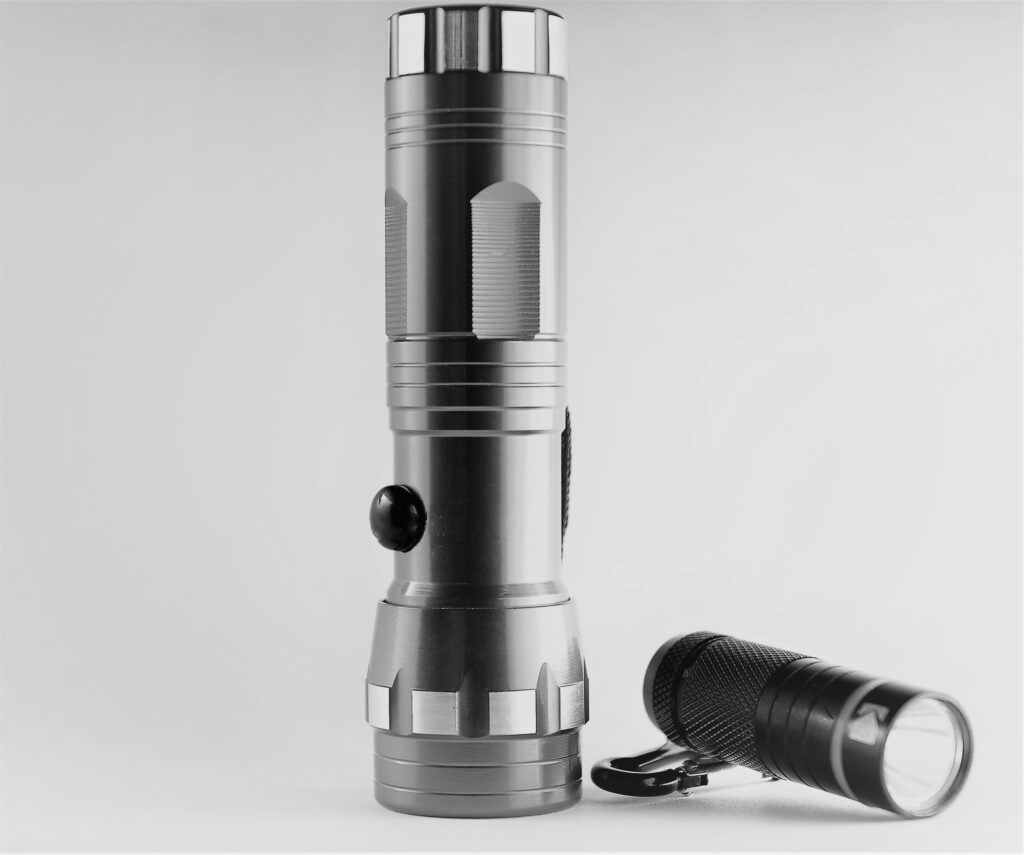
The American Red Cross recommends using flashlights instead of candles during outages because candles create a fire risk. A flashlight lets you move around, check rooms, find supplies, and help family members without bringing an open flame into the situation.
The best setup is not one giant flashlight hidden in a drawer somewhere. A better plan is to keep a few basic flashlights in places people can reach quickly: bedrooms, kitchen, hallway, and near the main emergency supplies.
Cheap flashlights are fine as long as they work. The important thing is knowing where they are before the lights go out.
Extra batteries
A flashlight without working batteries is just decoration.
Every power outage kit should include extra batteries that match the flashlights, lanterns, radios, and other battery-powered supplies in the house. The simplest option is to standardize where possible. If most of the home’s emergency items use AA or AAA batteries, it is easier to keep backups ready.
Batteries should be stored in a dry place and checked every few months. Old batteries can leak, corrode, or lose power. It is better to find that out on a normal day than during a storm.
Rechargeable batteries can be useful too, but they only help if they are already charged before the outage. A mix of regular backup batteries and rechargeable batteries gives more flexibility.
Battery-powered lanterns
Flashlights are good for moving around, but lanterns are better for lighting up part of a room. A battery-powered lantern can sit on a table, counter, or shelf and make a room feel calmer.
This matters at night, especially if there are children, pets, older adults, or anyone who gets anxious in the dark. A lantern makes it easier to eat, read instructions, organize supplies, play cards, or safely move through the room.
One or two inexpensive lanterns can make a big difference. Look for lanterns that use common batteries, have adjustable brightness, and are stable enough that they will not easily tip over.
Headlamps
A headlamp may look a little goofy, but it is one of the most useful power outage supplies in the house.
A headlamp keeps both hands free. That helps when carrying a child, holding a pet leash, checking a breaker box with an adult, moving supplies, opening cabinets, or handling food. It is also useful if someone needs to walk outside safely to check on something from a distance.
Headlamps do not have to be expensive. A basic one is enough. The key is comfort, battery life, and easy controls.
If there is only one headlamp in the house, it should be stored with the main emergency supplies. If possible, keep one in each adult’s room.
Portable phone chargers
A phone becomes more important during a power outage. It may be needed for weather alerts, texts, calls, outage maps, emergency updates, and checking on family.
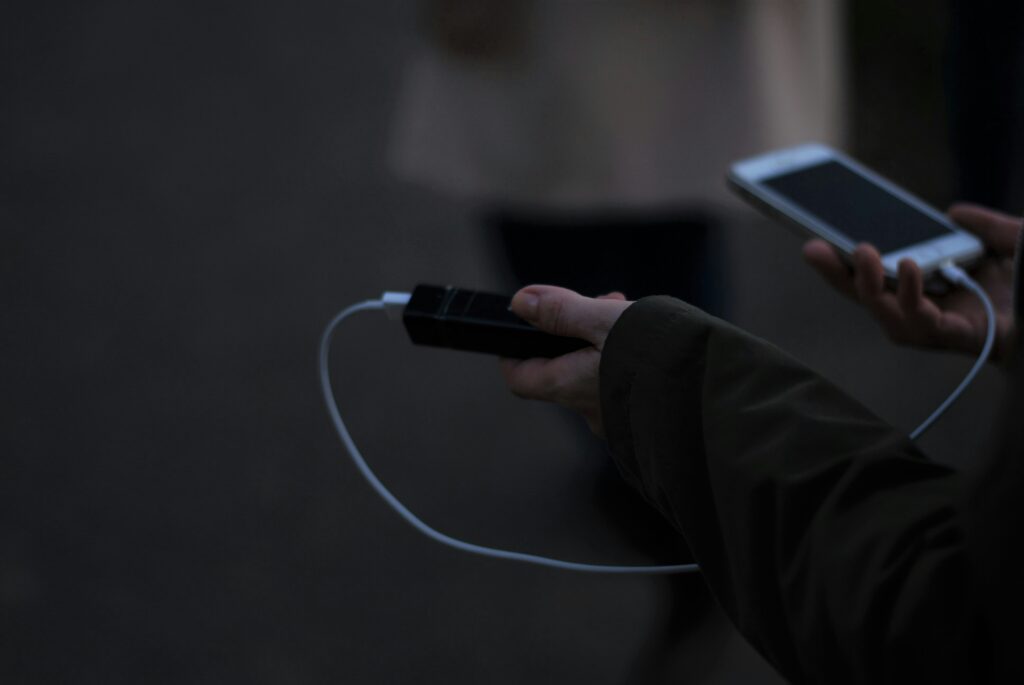
That makes portable chargers worth having.
A basic power bank can keep a phone alive longer, especially if the outage lasts overnight. Larger power banks can charge multiple devices or charge one phone several times. The important part is keeping them charged before bad weather arrives.
A power bank sitting dead in a drawer does not help. Make it part of the routine to recharge portable chargers before storms, hurricanes, winter weather, or planned utility work.
During the outage, use the phone carefully. Turn on low power mode, lower screen brightness, close unnecessary apps, and avoid streaming videos or scrolling endlessly.
Battery-powered or hand-crank radio
The internet may not work during a power outage. Cell service may be slow. Wi-Fi may be down. That is why a battery-powered or hand-crank radio is still useful.
A radio can provide weather alerts, emergency updates, evacuation information, and local news when phones are unreliable. Ready.gov includes a battery-powered or hand-crank radio as part of basic emergency preparedness supplies.
A simple weather radio is even better if it can receive NOAA weather alerts. Some emergency radios also include a flashlight, USB charging, and a hand crank. Those features can be helpful, but the main job is simple: getting information when the power and internet are down.
Bottled water
Water matters during outages, especially if the power outage is connected to a storm, flood, freeze, or water system problem.
Some homes still have running water when the power is out. Others may depend on electric pumps. Even if water still runs, the supply can become unsafe during certain emergencies. A basic stored water supply gives the household breathing room.
A good beginner goal is to keep enough water for at least a few days. Ready.gov recommends storing one gallon of water per person per day for several days, and remembering pets too.
Bottled water does not have to be fancy. Cases of water, water jugs, or clean filled containers can all help. Store them somewhere cool and out of direct sun.
Shelf-stable food
During a power outage, food that does not need cooking or refrigeration is extremely useful.
Shelf-stable food keeps people from opening the refrigerator over and over. It also helps if the stove, microwave, or electric appliances cannot be used. Good options include peanut butter, crackers, granola bars, canned fruit, applesauce cups, trail mix, cereal, canned tuna, canned chicken, canned beans, jerky, shelf-stable milk, and ready-to-eat snacks.
The goal is not gourmet cooking. The goal is food that is safe, simple, and filling.
Choose foods the household actually eats. Emergency food that nobody likes will sit untouched until it expires. Rotate it into normal meals and replace it as needed.
Manual can opener
Canned food is not very helpful if there is no way to open it.
A manual can opener is cheap, small, and easy to forget. Every power outage kit should have one. Electric can openers are useless when the power is out unless there is backup power available.
Store the manual can opener with pantry food or emergency supplies. If possible, keep a backup. They can break, rust, or disappear into a kitchen drawer right when they are needed.
Cooler
A cooler is one of the best cheap tools for protecting food during a longer outage.
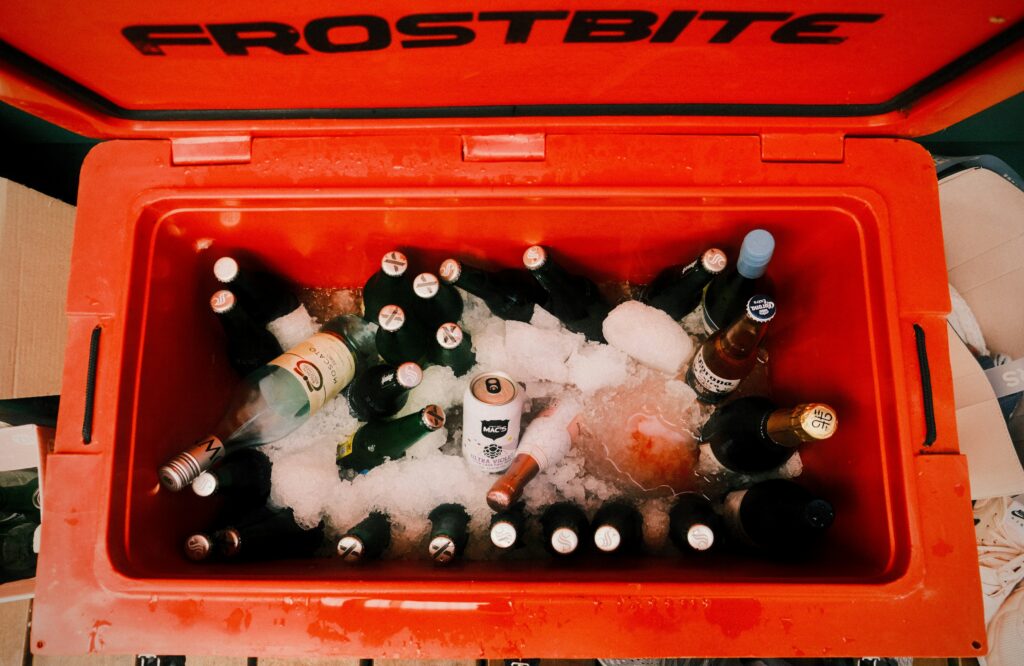
If the refrigerator has been off for several hours and ice is available, a cooler can help keep perishable foods cold. The CDC advises moving refrigerated perishable foods into a cooler with ice or another cold source if the power has been out for four hours and supplies are available.
A basic cooler is fine. It does not need to be expensive. Even a modest cooler can help protect milk, eggs, meat, leftovers, medication, or pet food if it is packed correctly and kept closed.
Before storm season, clean the cooler and make sure it is easy to reach. A cooler buried under garage clutter is not helpful during an outage.
Ice packs or frozen water bottles
Ice can sell out fast before storms. Frozen gel packs and frozen water bottles are a cheap way to prepare ahead.
Keep a few frozen water bottles in the freezer. They help fill empty freezer space, which can help the freezer stay cold longer. If the power goes out, they can be moved into a cooler. As they melt, they may also become extra drinking water if the bottles were clean and safe.
Do not fill bottles all the way before freezing because water expands. Leave space at the top.
Frozen gel packs are useful too, especially for coolers, lunch boxes, and medication bags.
Refrigerator and freezer thermometers
A refrigerator thermometer is boring, cheap, and surprisingly useful.
During a power outage, guessing whether food stayed cold enough is risky. A thermometer gives a better answer. The FDA recommends keeping appliance thermometers in the refrigerator and freezer so you can check whether food stayed at safe temperatures during and after an outage.
The refrigerator should stay at or below 40°F. The freezer should normally be at or below 0°F. If food has been too warm for too long, it may need to be thrown away.
Thermometers are especially helpful because food can look and smell normal even when it is not safe. Do not taste food to test it.
Carbon monoxide detectors with battery backup
This is not optional. It is one of the most important safety items on the list.
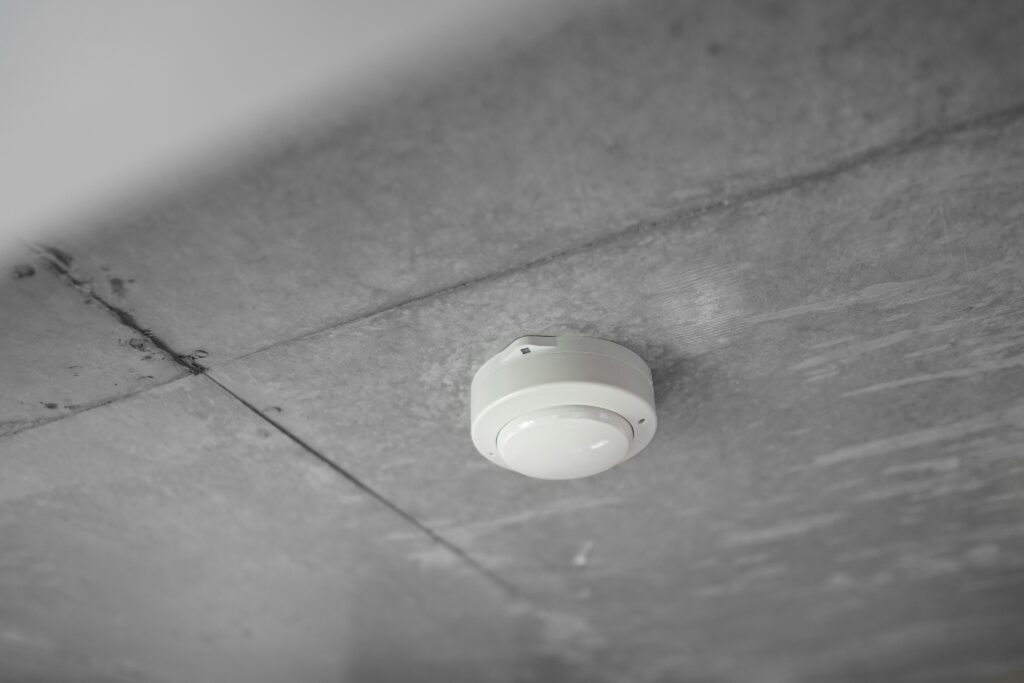
Carbon monoxide is dangerous because it cannot be seen or smelled. It can come from generators, grills, camp stoves, gas ovens, cars, and other fuel-burning equipment. During outages, people sometimes make deadly mistakes trying to cook, stay warm, or power the house.
Ready.gov recommends carbon monoxide detectors with battery backup in central locations on every level of the home.
A detector should be tested regularly, and batteries should be replaced as needed. If an alarm sounds, leave the home and call for help. Do not ignore it.
Basic first aid kit
A power outage can make small accidents more likely. People trip in the dark, bump into furniture, cut themselves while trying to prepare food, or get hurt during storm cleanup.
A basic first aid kit should include bandages, gauze, antiseptic wipes, medical tape, tweezers, disposable gloves, antibiotic ointment, pain reliever, and any household-specific items that may be needed.
The kit does not have to be fancy, but it should be easy to find. If it is scattered across three bathroom drawers, it is not really a kit.
Check it every few months and replace used or expired items.
Needed medications
Some households need medications every day. During a power outage, those medications need to stay accessible.
This includes prescription medicine, over-the-counter medicine, inhalers, insulin, allergy medicine, pet medicine, and anything used regularly. If medication needs refrigeration, the household should have a plan for keeping it cold safely.
Do not wait until an outage to figure this out. Talk with a pharmacist, doctor, or veterinarian ahead of time if medication storage is a concern.
Keep a written list of important medications, doses, and emergency contacts. Phones can die, and memory gets worse under stress.
Blankets and warm layers
Not every outage happens in nice weather. A winter power outage can become dangerous if the house loses heat.
Blankets, warm socks, hats, gloves, and extra layers are simple supplies that help keep body heat in. They are safer than trying risky heating methods like using a gas oven for warmth.
Ready.gov warns not to use a gas stove or oven to heat the home during an outage, and generator or fuel-burning equipment should only be used safely outdoors away from openings.
Store extra blankets where people can get to them easily. If the house gets dangerously cold, check local guidance for warming centers or safer places to go.
Battery-powered fans
In hot weather, a power outage can quickly become uncomfortable and even dangerous.
A small battery-powered fan can help, especially for sleeping, pets, older adults, or anyone sensitive to heat. It will not replace air conditioning, but it can move air and make a room feel more tolerable.
Look for fans that run on common batteries, rechargeable batteries, or USB power banks. Keep them charged or stocked with batteries before hot weather arrives.
During extreme heat, fans alone may not be enough. Drink water, avoid heavy activity, block sunlight, and follow local guidance about cooling centers if the outage lasts.
Trash bags and cleaning wipes
Power outages can get messy. Food may spoil. Coolers may leak. Storms may bring mud, debris, or water. Pets may have accidents if routines are disrupted.
Trash bags, paper towels, disinfecting wipes, and basic cleaning supplies are not exciting, but they help keep the home sanitary.
Heavy-duty trash bags are especially useful for spoiled food, wet items, and cleanup. Keep some with the emergency supplies instead of relying only on whatever happens to be under the sink.
Pet supplies
Pets need to be part of the power outage plan.
Keep extra pet food, water, medications, leashes, waste bags, litter, carriers, and comfort items ready. A scared dog or cat may hide, pace, bark, or get underfoot when the lights go out. Having supplies ready keeps things calmer.
If a pet eats refrigerated food, raw food, or medication that needs cooling, plan for that before an outage. Do not assume pet supplies will be easy to manage once the house is dark and everyone is stressed.
Cash
Power outages can affect card readers, ATMs, gas stations, and stores. A small amount of cash can help if electronic payments are not working.
This does not mean keeping a huge amount of money at home. Even a modest emergency cash stash in small bills can help with gas, ice, water, food, or supplies.
Keep it somewhere safe and do not forget where it is.
A written emergency contact list
Phones are useful, but they are not perfect. They can die, break, lose service, or be unavailable.
A written contact list gives the household a backup. Include important family numbers, neighbors, doctors, veterinarians, utility companies, insurance contacts, and local non-emergency numbers.
Keep the list with the emergency supplies. If children are old enough, make sure they know where it is.
Extension cords rated for outdoor use
If a generator is used, the right extension cords matter. Indoor cords, damaged cords, or overloaded cords can create fire and shock hazards.
Only use heavy-duty extension cords rated for outdoor use, and follow the generator manufacturer’s directions. Never plug a generator directly into a wall outlet. That dangerous practice can harm utility workers and damage electrical systems.
This is one area where cheap does not mean careless. Buy safe cords, inspect them, and use them correctly.
What I would buy first on a tight budget
If money is tight, I would not try to buy everything at once. I would start with the supplies that solve the biggest problems first.
A good first round would be:
Flashlights
Extra batteries
Battery lantern
Portable phone charger
Bottled water
Shelf-stable food
Manual can opener
Carbon monoxide detector with battery backup
Basic first aid supplies
After that, add a cooler, ice packs, thermometers, a weather radio, extra blankets, pet supplies, and better backup power options.
Preparedness does not have to be expensive. A few useful items bought over time can make the next outage much easier.
Cheap supplies only help if they are easy to find
Buying power outage supplies is only half the job. The other half is storing them where people can actually find them.
A flashlight hidden in a junk drawer under dead batteries is not preparedness. A cooler buried behind boxes is not helpful. A power bank that has not been charged in six months is not backup power.
Keep the main supplies together in one shelf, tote, closet, or cabinet. Label it clearly. Tell everyone in the household where it is. Check it before storm season, hurricane season, winter weather, or any time outages are more likely.
A power outage is much less stressful when the basics are already handled. With flashlights, batteries, water, food, phone charging, safe lighting, carbon monoxide protection, and a simple plan, a household can get through the dark with less panic and fewer mistakes.