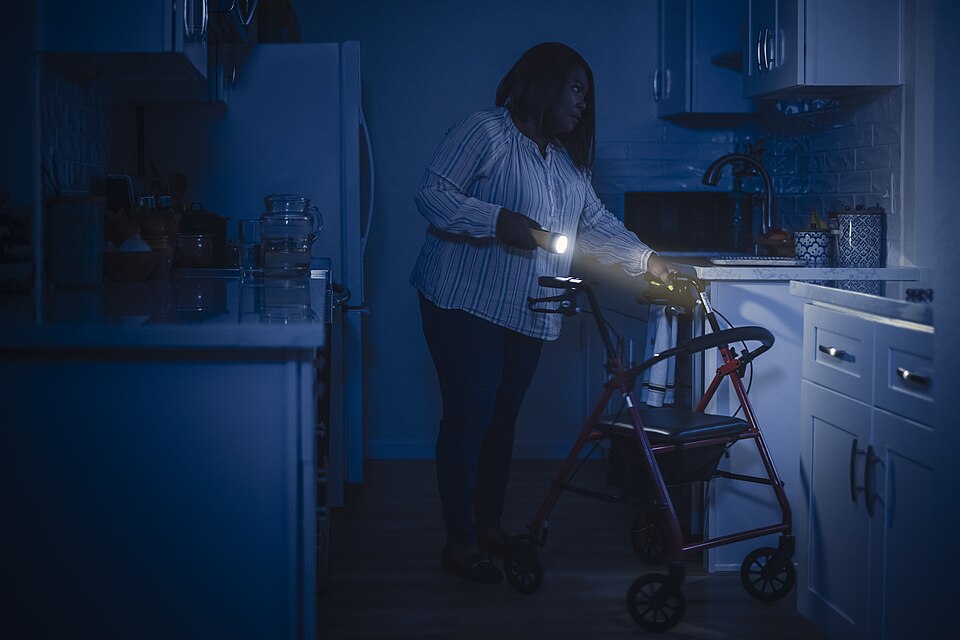
A power outage is annoying when it lasts a few minutes. It becomes a real problem when it stretches for hours, happens overnight, hits during extreme weather, or knocks out heat, air conditioning, refrigeration, internet, and phone charging all at once.
The biggest danger is not always the outage itself. A lot of the trouble comes from bad decisions people make after the lights go out.
Some mistakes waste food. Some drain your phone when you need it most. Some create fire risks. Some can make people seriously sick. And a few, especially around generators and carbon monoxide, can be deadly.
Here are the power outage mistakes that make everything worse — and what to do instead.
Mistake 1: Waiting Until the Power Is Out to Find Supplies
This is the classic mistake.
The lights go out, and suddenly everyone is digging through drawers looking for flashlights, batteries, phone chargers, candles, matches, power banks, and the one working lantern that nobody has seen since last winter.
That is not a plan. That is chaos with extra steps.
Before an outage happens, every home should have a basic power outage spot. It does not need to be fancy. A plastic bin, shelf, drawer, or closet space works fine.
Keep these items together:
Flashlights
Extra batteries
Battery lanterns
Power banks
Phone charging cords
A first aid kit
Shelf-stable snacks
Bottled water
A manual can opener
A battery-powered or hand-crank radio
The goal is simple: when the power goes out, you should know exactly where to go.
Mistake 2: Opening the Fridge Over and Over
This one ruins food fast.
Every time you open the refrigerator, cold air escapes. People do it because they are bored, hungry, curious, or trying to “check” if things are still cold. But opening the door repeatedly only makes the food warm up faster.
During an outage, keep refrigerator and freezer doors closed as much as possible. According to FoodSafety.gov, a refrigerator can keep food safe for about 4 hours if the door stays closed. A full freezer can hold temperature for about 48 hours, while a half-full freezer may last about 24 hours if unopened.
Better move: decide what you need before opening the door. Grab it quickly, then close the door.
If you have a cooler and ice, move frequently used items into the cooler so the fridge can stay closed longer.
Mistake 3: Guessing Whether Food Is Still Safe
Sniffing food is not a food safety plan.
Some spoiled or unsafe food may not smell terrible. Some food can look normal and still be risky. If the outage lasts long enough, guessing becomes a bad idea.
Use appliance thermometers if you have them. Keep the refrigerator at or below 40°F and the freezer at or below 0°F before an outage when possible. USDA guidance says refrigerated perishable foods such as meat, poultry, fish, eggs, and leftovers should be discarded after 4 hours without power if they have not stayed safely cold.
This is where people get cheap in the worst way. Losing groceries hurts, but food poisoning is worse.
When in doubt, throw it out.
Mistake 4: Using Candles Like It Is 1890
Candles feel comforting until someone knocks one over, falls asleep near one, or leaves one burning in a room with kids or pets.
Use flashlights, battery lanterns, or headlamps instead. The American Red Cross recommends flashlights rather than candles during power outages because they reduce fire risk.
If candles are all you have, use them carefully. Keep them away from curtains, paper, bedding, furniture, pets, and children. Never leave them unattended.
But honestly, the better answer is to buy a few cheap LED lanterns before you need them.
Mistake 5: Running a Generator Too Close to the House
This is one of the most dangerous power outage mistakes.
A generator can help during an outage, but it can also produce carbon monoxide, which you cannot see or smell. The CDC warns never to use a generator, gasoline-powered engine, charcoal grill, camp stove, or similar fuel-burning device inside a home, garage, basement, tent, camper, or near windows, doors, or vents. Generators should be kept at least 20 feet away from windows, doors, and vents.
Do not run a generator in the garage with the door open.
Do not run it on the porch.
Do not run it near a window.
Do not aim exhaust toward the house.
Also, make sure you have working carbon monoxide alarms with battery backup.
This is not a “be careful” situation. This is a “do it correctly or do not do it” situation.
Mistake 6: Plugging Too Much Into One Power Source
When power is limited, people start doing dumb electrical math.
They plug too many devices into one power strip, overload extension cords, or try to run appliances off equipment that was not designed for it. That can create fire risks, damage electronics, or overload your setup.
Use extension cords rated for the job. Keep cords away from water. Do not run cords under rugs where they can overheat or get damaged. Do not plug a generator directly into your home wiring unless it is connected through proper transfer equipment installed by a qualified professional.
If you are not sure whether something is safe, do not improvise. Power outages are already enough of a mess. Do not add an electrical fire.
Mistake 7: Letting Every Phone Die
Your phone is not just entertainment during an outage. It may be your weather alert system, emergency contact tool, flashlight, map, camera, banking access, and way to check utility updates.
The mistake is using it like normal until the battery is almost gone.
As soon as the power goes out, switch to battery-saving mode. Lower the brightness. Close unnecessary apps. Stop scrolling videos. Turn off Bluetooth if you do not need it. Use text messages instead of long calls when service is weak.
If you have a power bank, do not waste it immediately. Save it for when your phone actually needs it.
A dead phone during a long outage is not just inconvenient. It can cut you off when you need information.
Mistake 8: Ignoring Medical Needs Until It Becomes Urgent
If someone in the home depends on electricity for medical equipment, refrigerated medicine, oxygen, mobility devices, or temperature control, a power outage is not just a household inconvenience.
It needs a plan.
Know what has backup battery power. Know how long that backup lasts. Know where you can go if the outage continues. Ask your healthcare provider or pharmacist ahead of time about medications that need refrigeration.
The Red Cross also recommends planning for medical equipment and backup power needs before outages happen.
Waiting until the battery is almost dead or the medicine is getting warm is not planning. It is gambling.
Mistake 9: Forgetting About Heat and Cold
Power outages are much worse during extreme temperatures.
In summer, homes can get dangerously hot. In winter, homes can get cold quickly, especially for older adults, babies, people with medical issues, and pets.
Do not use a gas stove or oven to heat the home. The CDC warns against using a gas range or oven for heat because of carbon monoxide and fire risks.
In hot weather, close curtains, block sunlight, stay hydrated, and move to the coolest safe part of the home. In cold weather, layer clothing, use blankets, close off unused rooms, and keep people together in one warmer area if needed.
If the temperature becomes unsafe, leave before it becomes an emergency. Go to a friend’s home, family member’s home, hotel, warming center, cooling center, or public shelter if available.
Mistake 10: Walking Around Outside Without Looking for Hazards
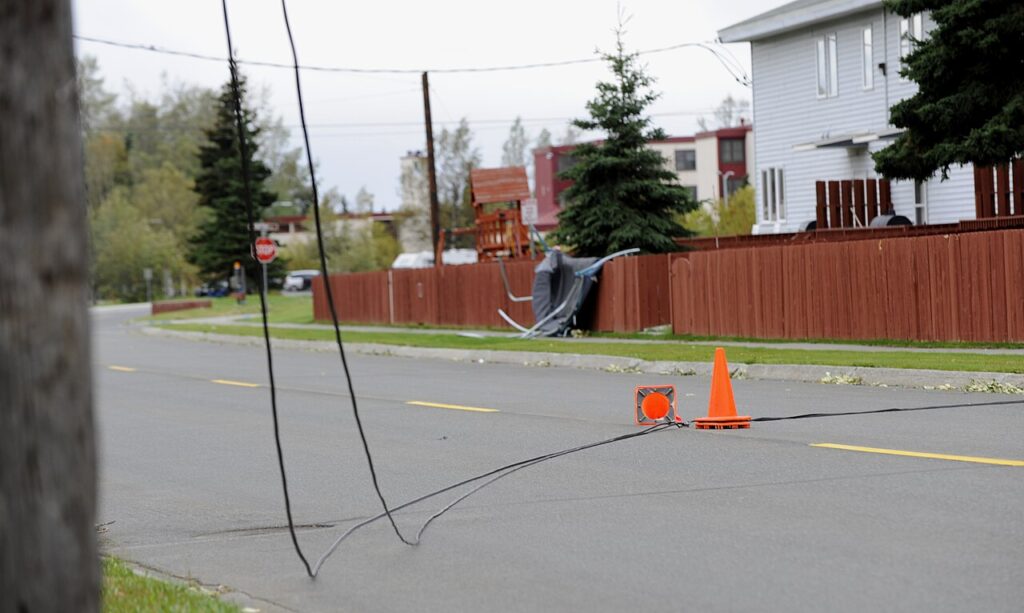
After a storm-related outage, people often go outside too quickly and stop paying attention.
That is when they run into downed power lines, broken branches, flooded areas, damaged structures, sharp debris, or unstable trees.
Stay away from downed power lines and anything touching them. The Red Cross says to stay at least 35 feet away from fallen power lines and call 911.
Do not walk through floodwater if you can avoid it. It may hide sharp objects, electrical hazards, chemicals, sewage, or deeper water than expected.
Put on real shoes, not flip-flops. Use a flashlight. Move slowly.
Mistake 11: Driving Around Just to Look
After a major outage, the roads may be dark, traffic lights may be out, trees may be down, and emergency crews may be working.
Driving around just to see what happened is not helpful. It clogs roads and creates more risk.
If you must drive, treat dark intersections carefully. Watch for crews, debris, water, and people walking. Never drive through flooded roads. It does not take much water to stall or move a vehicle.
Stay home unless you actually need to leave.
Mistake 12: Not Unplugging Sensitive Electronics
When power comes back, it can surge or flicker. That can damage electronics.
Before power is restored, unplug sensitive items like computers, TVs, gaming systems, chargers, and appliances you do not need running immediately. Leave one light switched on so you know when electricity returns.
This is boring advice, but it can save you money.
Mistake 13: Forgetting Pets
Pets get stressed during outages too.
They may be confused by darkness, thunder, heat, cold, alarms, strange smells, or changes in routine. Keep leashes, carriers, food, water, medications, and waste supplies ready.
Do not leave pets outside during storms or extreme temperatures. If you need to evacuate, take them with you when possible and know ahead of time which shelters, hotels, or relatives can accept animals.
A pet plan is not extra. It is part of the household plan.
Mistake 14: Assuming the Water Is Fine
Sometimes the power outage itself is not the only issue. Storms, flooding, broken systems, or local utility problems can affect water safety.
If local officials issue a boil water notice, do not ignore it. Use bottled water or follow official guidance. Do not assume tap water is safe just because it looks clear.
You should have stored water before outages happen. Ready.gov recommends preparing for power outages ahead of time and keeping emergency supplies available.
For most homes, bottled water is one of the simplest backup supplies to keep on hand.
Mistake 15: Acting Like a Short Outage Cannot Turn Into a Long One
This is how people get caught unprepared.
They assume the power will be back in 20 minutes. Then it becomes two hours. Then six. Then overnight. Then the food is questionable, phones are dying, and nobody knows where the backup batteries are.
You do not need to panic every time the lights blink. But you should treat every outage like it might last longer than expected.
That means:
Charge what you can.
Use phones carefully.
Keep the fridge closed.
Gather lights early.
Check on family and neighbors.
Watch for official updates.
Do not waste supplies.
Calm preparation beats lazy optimism.
A Quick Power Outage Mistake Checklist
Avoid these common mistakes:
Opening the fridge repeatedly
Using candles as your main light source
Running a generator indoors or near the house
Letting phones die from pointless scrolling
Ignoring food safety rules
Driving through flooded roads
Touching or approaching downed power lines
Overloading cords or power strips
Using a gas oven for heat
Forgetting pets and medical needs
Waiting too long to leave unsafe temperatures
Assuming the outage will be short
The Bottom Line
A power outage gets worse when people wait, guess, panic, or improvise.
The smart move is to slow down, protect your food, save your phone battery, use safe lighting, avoid carbon monoxide risks, and pay attention to real hazards. Most outage problems are predictable. That means most of them can be prevented or reduced with a little planning.
You do not need to be extreme. You need to be practical.
Because when the power goes out, the people who already know what to do are the ones who handle it best.
Helpful Official Resources
Ready.gov: Power Outages
Use this for general power outage preparation and emergency planning.
https://www.ready.gov/power-outages
CDC: What to Do During a Power Outage
Use this for generator safety, carbon monoxide warnings, heating and cooling safety, and medical concerns.
https://www.cdc.gov/natural-disasters/response/what-to-do-protect-yourself-during-a-power-outage.html
FoodSafety.gov: Food Safety During a Power Outage
Use this for refrigerator, freezer, and food discard guidance.
https://www.foodsafety.gov/food-safety-charts/food-safety-during-power-outage
American Red Cross: Power Outage Safety
Use this for outage safety tips, downed power lines, flood hazards, and basic household preparation.
https://www.redcross.org/get-help/how-to-prepare-for-emergencies/types-of-emergencies/power-outage.html